
Last updated November 2, 2026
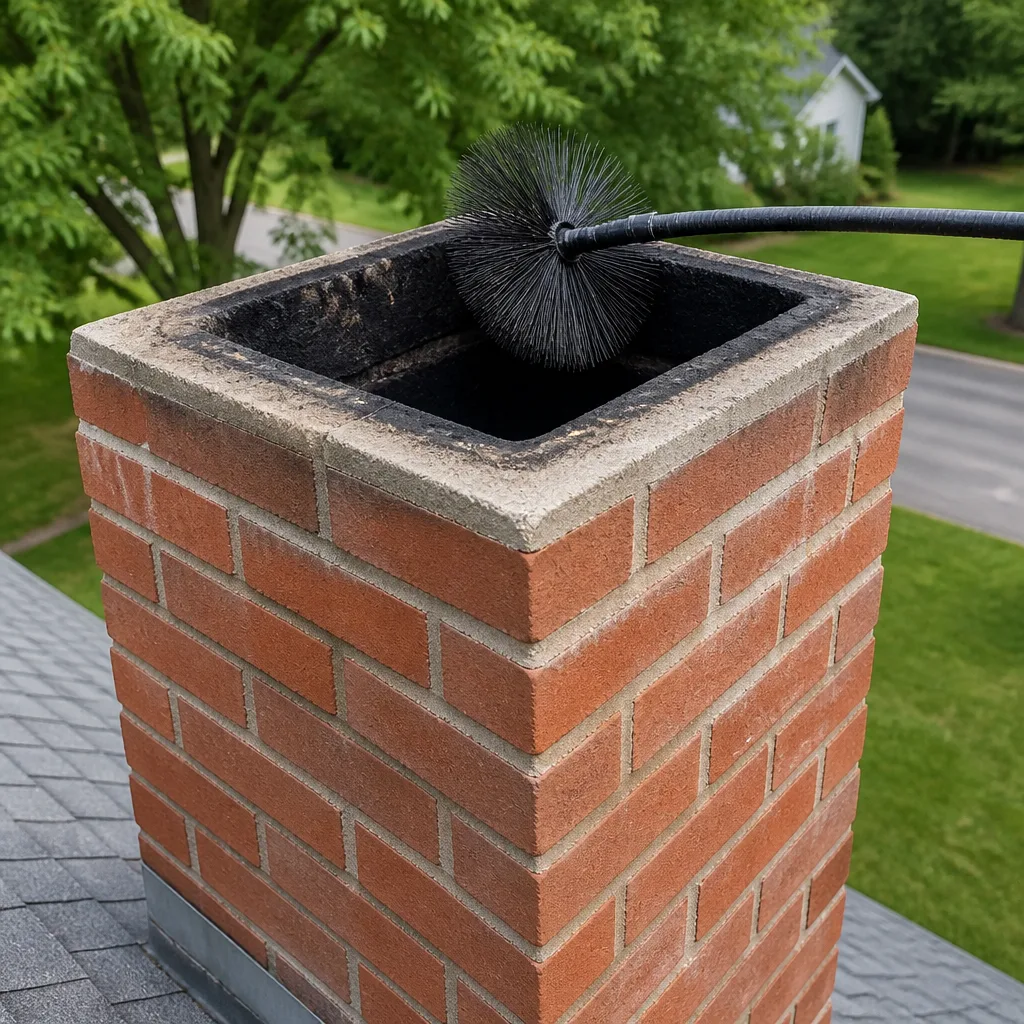 Sweep & inspection
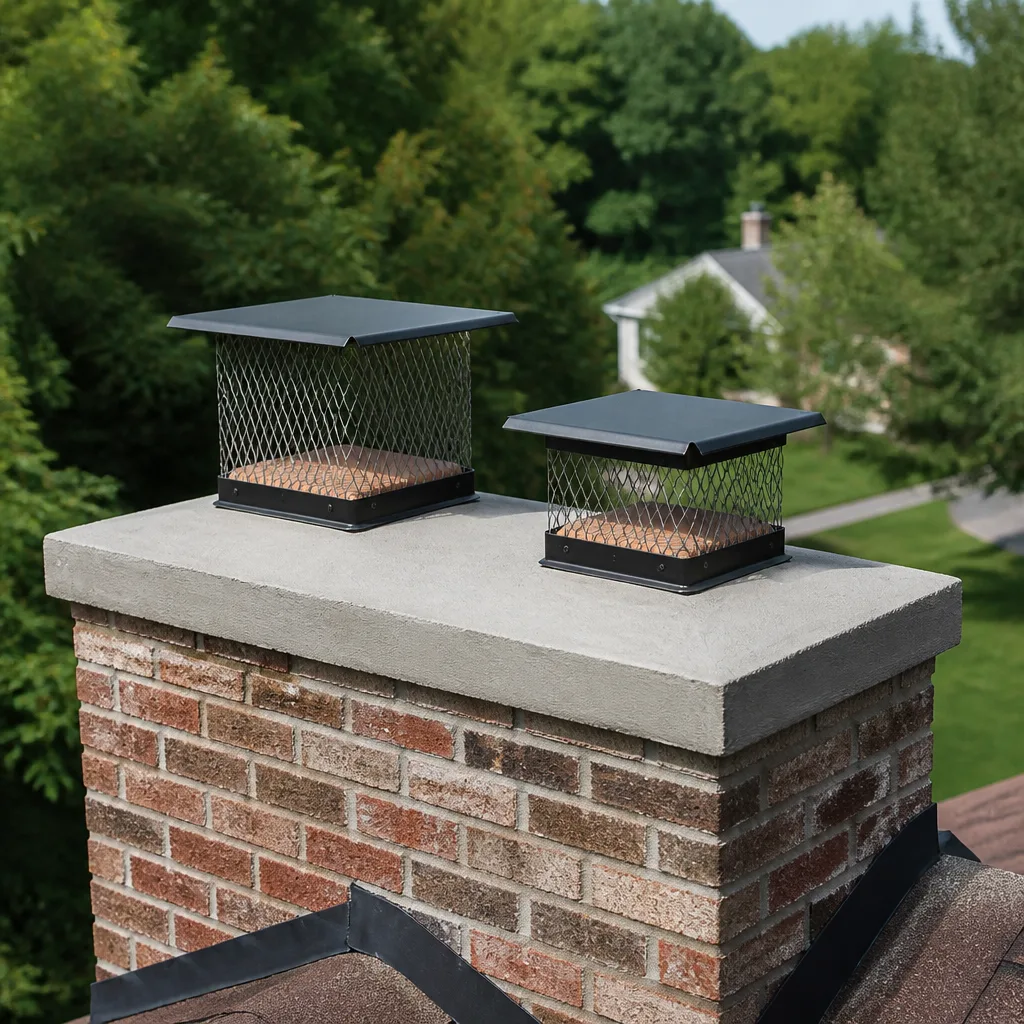 Caps & crowns
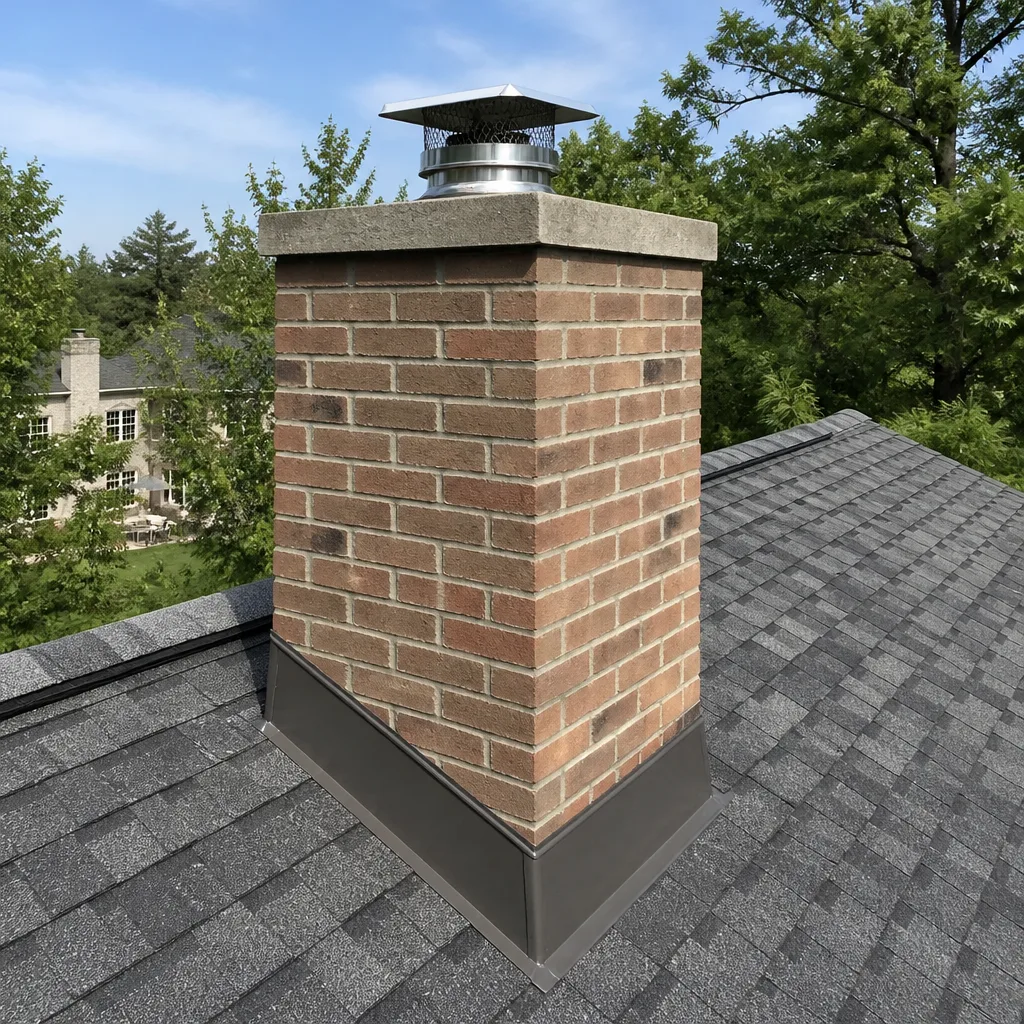 Flue relining
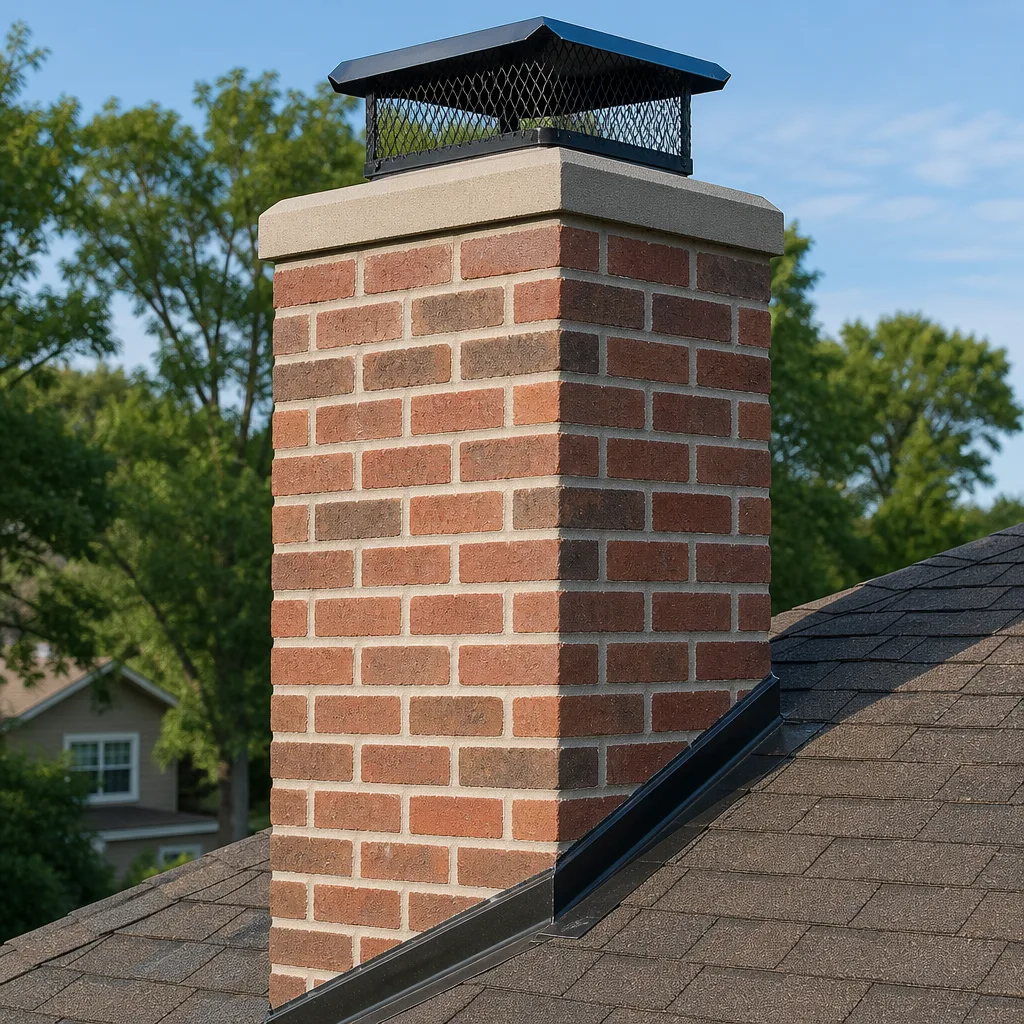 Masonry repair
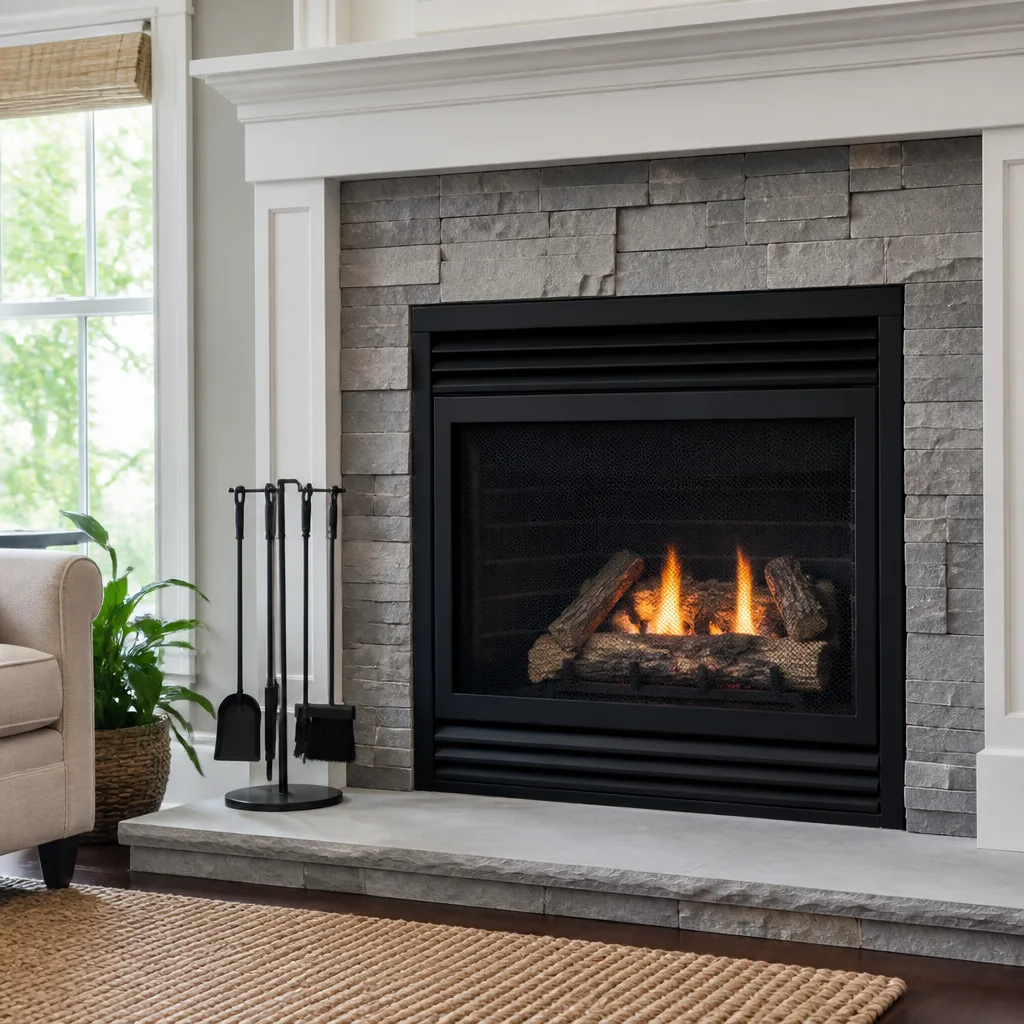 Gas fireplace service
Level 1 sweep and inspection to the NFPA 211 annual standard - flue, crown, cap, and flashing checked and photographed
Chimney sweep logs do not sweep chimneys. They loosen some creosote - which then falls where a brush and vacuum still have to collect it.
Chimney Cleaning Warning Signs: A Panorama City Homeowner’s Reference Guide
A smoky smell in a room that has no fireplace is one of the most commonly misdiagnosed chimney problems in multi-story homes. It’s not a drafting issue. It’s usually a deteriorated smoke chamber or cracked flue tile channeling gases horizontally through wall cavities. Most Panorama City homeowners notice the smell for weeks before they connect it to the chimney, because the fireplace itself seems to work fine. This guide and our Chimney Sweep Maintenance Checklist for Panorama City Homeowners walk through the warning signs that matter, what each one actually indicates about the system component that’s failing, and which signs you can monitor versus which ones mean the fireplace should go cold until a professional inspects it.
Quick Answer
The most common chimney cleaning warning signs in Panorama City are a persistent smoky or campfire odor in rooms without fireplaces, white efflorescence staining on the exterior chase, visible soot or creosote buildup on the damper or firebox walls, a fire that burns sluggishly or produces excess smoke even with an open damper, and sounds of animals or loose debris inside the flue. Any one of these warrants a professional inspection. Several of them indicate structural deterioration or a partial blockage, not just a dirty chimney, and delaying service increases fire risk and repair cost. See our Chimney Sweep Troubleshooting: Common Problems and How to Fix Them for deeper guidance on diagnosing specific symptoms.
Styles & brands we work with
- Sweep & inspection
- Caps & crowns
- Flue relining
- Masonry repair
- Gas fireplace service
Table of Contents
- The Smoke Smell That Isn’t Coming From Your Fireplace
- White Staining on the Chimney Chase: Water, Not Cosmetics
- Sounds From the Flue: Animal Intrusion vs. Thermal Expansion vs. Loose Components
- Burn Performance Problems: Draft Issues, Negative Air Pressure, and Blockages
- Prefabricated Fireplace Warning Signs Masonry Guides Miss
- Creosote and Soot: What You Can See From the Firebox
- What a Professional Chimney Inspection in Panorama City Actually Covers
- Common Mistakes to Avoid
- When to Call a Professional
- Frequently Asked Questions
The Smoke Smell That Isn’t Coming From Your Fireplace
A smoke odor in a second-story bedroom or hallway of a Panorama City home often gets blamed on a neighbor’s barbecue, a passing truck, or an old air filter. We hear that a lot. But in multi-level homes, deteriorated internal chimney components route combustion gases away from the flue and into wall voids, where the odor seeps through outlets, baseboards, and light fixtures. The fireplace can draw fine on a test burn while the real problem sits higher in the system.
The usual culprits, in order of how often we encounter them in Panorama City:
- Cracked flue liner tiles – Flue tiles crack from thermal stress, water intrusion, or past chimney fires. A crack as narrow as a fingernail allows gases to escape the flue channel into the surrounding chase.
- Deteriorated smoke chamber – The smoke chamber sits above the firebox and below the flue. It’s built from corbeled brick that many original builders left unparged. Decades of heat and acidic condensation erode the mortar joints, creating pathways for smoke to leak laterally.
- Faulty damper seal or missing top-seal damper – A worn damper gasket lets flue gases backdraft into the home when the fireplace isn’t in use, especially during temperature inversions common in the San Fernando Valley’s cooler winter mornings.
- Unsealed chase top on a prefab system – If the metal chase cover has rusted through or lifted, smoke and odor can recirculate into wall cavities around the pipe.
Here’s the translation: if you smell smoke where there’s no fireplace, do not assume the smell will clear on its own and do not mask it with air fresheners. The source is almost always a breach somewhere in the flue or smoke chamber. An inspection with a camera scope identifies the exact point of failure. Chimney Sweep Panorama City performs this as part of a standard sweep-and-inspect, and we’ll show you the footage so you can see the crack or separation yourself before any repair is discussed. That transparency matters, because smoke-odor calls are one area where less scrupulous operators recommend liner replacements that may not be necessary. HeatShield resurfacing, for example, can seal small cracks and restore a smoke chamber without full demolition or relining in many cases.
White Staining on the Chimney Chase: Water, Not Cosmetics
White, chalky staining on exterior brick or on the stucco chase of a prefabricated fireplace is efflorescence. It’s mineral salts deposited when water moves through masonry and evaporates on the surface. Many Panorama City homeowners write it off as cosmetic weathering and leave it alone for years. That’s a mistake, because efflorescence is a reliable indicator that water is actively penetrating the chimney system, and water is the single most destructive force for any chimney in the Valley climate.
What the staining is telling you, depending on where it appears:
- Below the crown or chase top – Water is pooling on a cracked or improperly sloped masonry crown or seeping past a rusted chase cover. Every rain event pushes more moisture into the structure.
- At the roofline or flashing junction – Flashing has separated from the chimney or the roof deck. This is a common point of failure on older Panorama City homes where the original galvanized flashing was installed decades ago and never resealed.
- Mid-chimney on the sunny side – The brick itself is absorbing water through failing mortar joints, and the north-south sun exposure on Valley homes accelerates the wet-dry cycle that drives salts to the surface.
- On the interior firebox wall – Water is entering from above and running down the flue, or a missing rain cap is allowing direct rainfall into the system.
Efflorescence does not flake or peel. If the white deposit is soft, fuzzy, or can be scraped off with a fingernail, that’s efflorescence. If it’s hard and crusted, it’s more likely mineral scale from prolonged saturation. Either way, the fix starts with finding and stopping the water entry point. A chimney sweep who only cleans the flue and ignores the staining is leaving the actual problem in place. Our Chimney Repair in Panorama City service includes a water-intrusion assessment with every inspection because the two issues are rarely separate in this climate.
Sounds From the Flue: Animal Intrusion vs. Thermal Expansion vs. Loose Components
Homeowners rarely associate sounds with chimney problems. They should. The flue is a vertical chase that conducts sound remarkably well, and distinct sound signatures correspond to distinct conditions. Here’s how to read what you’re hearing, based on what we’ve encountered in Panorama City chimneys.
Scratching, scurrying, or fluttering – animal intrusion
Small, rapid movement sounds usually mean birds, squirrels, or rats. In Panorama City, chimney swifts are common in spring, and raccoons occasionally enter uncapped flues in neighborhoods with mature trees. The dead giveaway is timing: animal sounds are intermittent and occur at dawn, dusk, or night. Bird sounds include chirping. Squirrel sounds include heavier scrabbling and occasional nut-dropping. Any of these indicate an uncapped or damaged cap, and the animal must be removed before the chimney is used. A professional should handle removal. Wildlife builds nests, and nests block the flue. A blocked flue sends carbon monoxide into the living space.
The fix path is straightforward: remove the animal, clean out nesting material, and install a properly sized cap. We source Gelco and Famco caps for this reason. They’re built to professional specs with the right mesh sizing for the local wildlife pressure, and they hold up to Valley sun and wind better than the thin sheet-metal caps sold at hardware stores.
Pinging, ticking, or creaking during and after a fire – thermal expansion
Metal chimneys expand when heated and contract when cooled. On prefabricated and factory-built systems, a faint ticking or pinging during the first 15 minutes of a fire and for a few minutes after it dies is normal. The sound should be quiet, rhythmic, and limited to the warm-up and cool-down cycle. It does not require service.
What’s not normal: a loud pop, a sharp bang, or a metallic snap that repeats irregularly. That indicates a pipe section or damper component that’s binding or loose, and in a prefab system it can mean a joint has separated. If you hear a sharp metallic sound followed by visible smoke intrusion or a sudden change in fire behavior, stop using the fireplace and schedule an inspection immediately.
Rattling or buzzing when the wind blows – loose components
Wind-driven rattling usually means a loose rain cap, damper plate, or top-seal damper assembly. The Santa Ana winds that move through the San Fernando Valley in fall and winter produce exactly the gust pressure that exposes these loose parts. A rattle isn’t an emergency, but it is a sign that a component has worked free and will continue to degrade. It also tells you that the chase top or crown is not sealing correctly, which invites water. The fix is usually quick: tighten or replace the offending component. Left alone, it becomes a water problem and then a structural problem.
Burn Performance Problems: Draft Issues, Negative Air Pressure, and Blockages
A fireplace that smokes into the room, burns sluggishly, or won’t hold a flame is the most obvious warning sign, but the cause is often misdiagnosed. In our experience across Panorama City, many homeowners assume their flue is blocked when the real issue is something else entirely. Here’s the differential diagnosis.
- Blocked flue – A bird nest, squirrel cache, creosote plug, or deteriorated masonry that has collapsed into the flue channel. This is a direct obstruction and the classic cause of smoking fireplaces. Test: smoke enters the room immediately and consistently, regardless of which windows or doors are open. Fix: professional sweeping and inspection.
- Negative air pressure in a tight-envelope home – Modern and recently renovated Panorama City homes are sealed for energy efficiency. That means exhaust fans, bathroom vents, and furnace systems pull air out of the home faster than the chimney can draw replacement air. The fireplace becomes the exhaust path for the whole house. Test: the fireplace smokes when the furnace kicks on, when a bathroom fan runs, or when any window is slightly open; it draws normally when a door or window on the same floor is wide open. Fix: this is a mechanical-draft issue, not a chimney blockage. A professional can confirm it and recommend the appropriate air-makeup strategy, which may range from cracking a window during fires to installing a direct-connect combustion air kit.
- Oversized flue or short chimney – Some older Panorama City homes have chimneys that were oversized for the fireplaces they serve, or chimneys that terminate below the primary roofline on multi-story additions. The flue never develops adequate draft velocity, so smoke cools and stalls before exiting. Test: the fireplace smokes on mild days but performs better when it’s cold outside and the temperature differential is larger. Fix: this requires a professional assessment because it may involve a flue liner, a draft-inducing cap, or a height extension.
- Competing appliance vents – If the water heater, furnace, or dryer shares a chimney chase and those appliances vent into the same flue system, they compete for air. When the gas furnace fires, it pushes exhaust into the fireplace flue and back into the living space. Test: smoke appears when the furnace or water heater runs, even without a fire in the fireplace. Fix: separate the vents or correct the flue configuration. This is a safety issue, and it requires a professional who understands venting dynamics, not just sweeping.
The takeaway: not every draft problem is a dirty chimney. But every draft problem needs professional diagnosis before you assume it’s safe to keep burning. A camera inspection separates the blocked-flue cases from the pressure-imbalance cases in one visit.
Prefabricated Fireplace Warning Signs Masonry Guides Miss
Prefabricated, zero-clearance factory-built fireplaces are common in Panorama City tract homes built from the 1970s onward, and they fail differently than masonry chimneys. Most chimney-cleaning guides focus on brick and mortar, which leaves prefab owners working from the wrong checklist. Here are the warning signs specific to factory-built systems that you need to know.
- Rust on the firebox floor or walls – Factory-built fireboxes are sheet metal with a refractory panel lining. Rust on the visible metal indicates water entry through a failed chase top, and water in a prefab unit corrodes the internal pipe sections quickly. This is not a surface cosmetic issue.
- Gaps or cracks in the refractory panels – The refractory panels inside a zero-clearance firebox absorb and reflect heat. Cracks allow heat to reach the metal shell, which was never designed for direct flame contact. A cracked panel is a replace-now item, not a monitor item.
- Warping or discoloration on the chase metal – The metal chimney pipe that runs through the chase should last 20 to 30 years under normal use. Warping, heavy rust, or dark discoloration on any exposed section indicates the pipe has been overheated or water-damaged and is nearing failure.
- Empty chase cover, missing cap, or torn mesh – On a masonry chimney, a missing cap is a water and animal problem. On a prefab system, the chase cover and cap are also structural. They keep the entire pipe assembly centered and protected. A rusted-through chase cover lets water pour directly onto the pipe, which rusts the seams from the outside in.
- Delamination of the chase exterior – If the stucco or siding on the chimney chase is pulling away, bubbling, or showing dark streaks, moisture is trapped inside the chase cavity around the pipe. By the time you can see it from the street, the pipe inside has been sitting in moisture.
- Flaky, shiny, or crusty black deposits on the firebox walls or damper – This is creosote. It forms when wood smoke condenses on cool chimney surfaces. Stage-one creosote is dusty and brushes off easily. Stage-two is flaky and crusty. Stage-three is a hard, shiny glaze that resembles tar and ignites at around 2,000 degrees. Any visible third-stage creosote means the chimney needs professional sweeping before the next fire, no exceptions.
- A “smoky” or “barbecue” smell from the firebox when the fireplace is cold – Cold-air downdrafts move creosote odor into the room. It’s more noticeable in summer and fall, when the temperature differential shifts. The smell means there’s enough creosote on the flue walls to odorize the air moving past it.
- Fine black soot collecting on the damper, smoke shelf, or firebox floor after a normal wood fire – Some soot is normal. Heavy soot fallback indicates the flue isn’t carrying combustion products out efficiently, which can point to an undersized liner, a partial blockage, or poor draft.
- White or gray ash that never fully clears from the firebox after sweeping – Persistent ash can indicate a downdraft issue or a missing ash dump door. Ash itself isn’t a hazard, but the underlying draft problem is worth identifying.
- Firebox and hearth inspection – Checking the firebrick, refractory panels, ash dump, and damper for cracks, gaps, and signs of water or heat damage.
- Smoke chamber inspection – Camera-scoping the smoke chamber for missing parge mix, cracked corbeled brick, and smoke-leakage pathways. This is the area most often skipped by basic sweep-only services, and it’s the area most likely to cause the mystery smoke smells.
- Flue interior inspection – Camera scope of the entire flue length to check for creosote accumulation, cracked tiles, separated joints, and obstructions. On a masonry chimney, the camera looks for cracked or missing tile sections. On a prefab system, it checks for pipe separations and rust.
- Chase, crown, and cap inspection – Accessing the top of the chimney to check the chase cover, crown, wash, rain cap, spark arrestor, and flashing. This is where most water-intrusion problems originate, and it’s the one area homeowners never see on their own.
- Venting and clearance check – Confirming that combustible clearances around the chimney chase and venting connections are correct for the system type, especially in attic spaces where improperly installed prefab pipe is a hidden fire hazard.
- Report with photo documentation – You should receive photos and camera stills of every finding. If a repair is recommended, the photos should show you exactly what the camera saw. We won’t quote a liner replacement or water repair without showing you the evidence, because a repair quote without visual proof is just a sales pitch.
- Burning unseasoned wood to “save money.” Green or wet wood produces thick, cool smoke that deposits creosote at double or triple the normal rate. The money saved on wood gets spent on more frequent sweeping and increased fire risk. Season wood for at least six months in a covered, ventilated stack.
- Using the fireplace as an everyday home heating source. Fireplaces are designed for intermittent use. Continuous daily burning through a Panorama City winter builds creosote faster than an annual sweep can manage, particularly with the temperature swings between cold nights and warm afternoons.
- Closing the damper too early or leaving it open too long. Closing the damper while embers are still active traps carbon monoxide in the home. Leaving it open when the fireplace is cold exchanges house air through the chimney and pulls conditioned air out. Open it before lighting, close it only after the fire is fully out and the embers are cold.
- Ignoring the smoke smell because the fireplace “still works.” The smell is the warning. By the time the fireplace is visibly smoking into the room, the underlying breach has expanded, and the repair cost has increased along with it.
- Painting over efflorescence or sealing it with waterproof paint. Sealing the staining doesn’t stop the water intrusion. It traps moisture inside the masonry, where it accelerates spalling and freeze-thaw damage. Fix the water entry first, then address the cosmetic issue.
- Assuming a gas fireplace never needs maintenance. Gas fireplaces don’t produce creosote, but they do develop venting issues, pilot problems, and carbon monoxide risks from incomplete combustion. A gas appliance flue can be blocked just like a wood flue, and it should be inspected annually alongside the gas line and log set.
- Hiring the cheapest sweep and skipping the camera inspection. A $79 sweep that takes 20 minutes and never looks at the smoke chamber or chase top is a brush through a pipe, not an inspection. You’ll pay more later for what the cheap visit missed. Panorama City has a competitive market, and we’ll be direct: professional-grade brands, a proper camera inspection, and documented findings cost more than a flyer-rate sweep. They cost less than the reline you’ll need if the warning signs go unaddressed.
Prefab systems use proprietary components, and the repair path is not the same as a masonry fix. We specify Olympia Chimney and Copperfield components for prefab and factory-built repairs because those suppliers produce the correct reline, cap, and termination parts for the specific pipe systems used in Panorama City homes. A generic part from a hardware store that “fits fine” is how small problems become full system replacements.
If you have a prefab fireplace and you haven’t had it inspected in the last two years, start with our Chimney Sweep in Panorama City page and schedule a sweep-and-inspect. The inspector should examine the chase top, the pipe from above, and the firebox refractory panels, not just sweep the flue.
Creosote and Soot: What You Can See From the Firebox
You don’t need a camera scope to see some warning signs. You need a flashlight and five minutes. Here’s what to look for inside the firebox and what each visual finding means.
Wood-burning fireplaces in Panorama City should be swept when creosote reaches 1/8 inch thickness anywhere in the system. For most households burning two or three fires per week during winter, that’s once per year. If you burn soft woods, use the fireplace more frequently, or notice visible stage-two creosote sooner, sweep on the shorter interval. Gas fireplaces don’t produce creosote, but they do collect dust, debris, and small animal nesting material, and they need annual service checks for venting and gas-line condition.
What a Professional Chimney Inspection in Panorama City Actually Covers
You can identify warning signs from the firebox and from outside the home. You cannot see the flue interior, the smoke chamber, the chase cavity, or the termination point without professional equipment. A proper inspection in Panorama City covers all of it, and you should expect the person doing the work to show you what they find, not just hand you a report with checked boxes.
Here’s the full scope of what a sweep-and-inspect covers at Chimney Sweep Panorama City home:
The full inspection usually takes 45 to 90 minutes depending on the system. It’s the difference between finding a small issue like a cracked crown that costs a few hundred dollars to repair versus letting it run for three years until the flue tile spalls and you’re looking at a full reline. In Panorama City’s wet-winter, dry-summer climate, the water-freeze cycle accelerates that deterioration faster than many homeowners expect.
Common Mistakes to Avoid
When to Call a Professional
Call a professional if you notice any smoke smell that doesn’t resolve within a day, any white staining or water streaks on chimney masonry, any sound of animals or loose metal components, any visible creosote buildup over 1/8 inch, or any change in fire behavior such as smoking into the room, weak flames, or popping sounds. Call immediately if you see smoke entering the living space through wall joints, outlets, or around the fireplace surround, or if you suspect a blockage. These are not maintenance items. Chimney Sweep Panorama City offers free estimates in Panorama City. Call (866) 632-1828 to schedule a sweep-and-inspect, and we’ll show you what the camera finds before any repair is discussed.
Frequently Asked Questions
A standard chimney sweep and inspection in Panorama City typically ranges from $149 to $289 for a masonry fireplace, with prefabricated systems falling in a similar range. Gas fireplace service runs slightly lower, while homes that haven’t been serviced in several years or that have heavy creosote accumulation may require an extended cleaning at a higher rate. Exact pricing depends on the system type, access difficulty, and what the camera inspection reveals. Call (866) 632-1828 for a free estimate specific to your chimney.
A wood-burning fireplace used regularly during the winter should be swept once per year, or whenever creosote accumulation reaches 1/8 inch, whichever comes first. Gas fireplaces should be inspected annually for venting, gas-line, and pilot condition even though they don’t require creosote removal. Homes in Panorama City that burn unseasoned wood or use the fireplace daily may need two sweeps per season.
Not always. Small cracks and surface deterioration can sometimes be addressed with HeatShield resurfacing, which seals the flue interior with a specialized ceramic material and extends liner life without full relining. The decision comes down to what the camera scope shows: crack depth, tile displacement, and whether the flue is still structurally sound. If a full reline is genuinely required, we’ll show you the footage and explain why resurfacing won’t address the problem. If resurfacing will do the job, we’ll tell you that too.
Creosote builds up on the flue walls and hardens into a tar-like glaze that can ignite at around 2,000 degrees. A chimney fire can crack flue tiles, damage the smoke chamber, and transfer heat to nearby framing. Even without a fire, accumulated creosote corrodes mortar joints and accelerates liner deterioration. Water intrusion through an unmaintained crown compounds the damage. Skipping a few cleanings turns a $200 service into potentially thousands in structural repair.
Check the exterior. A masonry chimney is built from brick or stone and typically rises above the roofline with a visible masonry crown. A prefab system has a metal pipe running up through a wood-framed chase, which is usually covered in stucco or siding to match the house. Inside, a prefab firebox is metal with refractory panels, and it often has a louvered grill or a solid metal face. Both types require professional maintenance, but the warning signs and repair paths differ, which is why the inspection must match the system type.
Chimney work in Panorama City falls under Los Angeles city code enforcement, which requires that all wood-burning fireplaces meet current air-quality standards for the South Coast Air Quality Management District. The district has specific rules about open-hearth burning on no-burn days, particularly during winter inversions when cold air traps smoke low over the Valley. A properly maintained chimney that burns seasoned wood helps keep your fireplace compliant and reduces neighborhood smoke impact. Professional inspections also confirm that your system meets current clearance and termination requirements. Call (866) 632-1828 for a free estimate from a Chimney Sweep Panorama City technician who can walk you through the specifics for your system, and explore more guides & resources on keeping your system safe and compliant.
The Bottom Line
Most serious chimney problems in Panorama City start as minor, easily dismissed signs: a faint smoke smell in an upstairs room, a patch of white staining on brick, a rattle in the wind, a fire that smokes only when the furnace runs. Each of these signs maps to a specific component failure, and each is easier and less expensive to fix the earlier it’s caught. The pattern is consistent across the hundreds of chimneys we’ve inspected here: homeowners who act on the first warning sign pay for a sweep and a small repair. Homeowners who wait pay for a reline or a rebuild. Chimney Sweep Panorama City offers free estimates in Panorama City. Call (866) 632-1828 to schedule a sweep-and-inspect, and we’ll document everything the camera shows you.
Written by the team at Chimney Sweep Panorama City, serving Panorama City since 2011.
See the difference
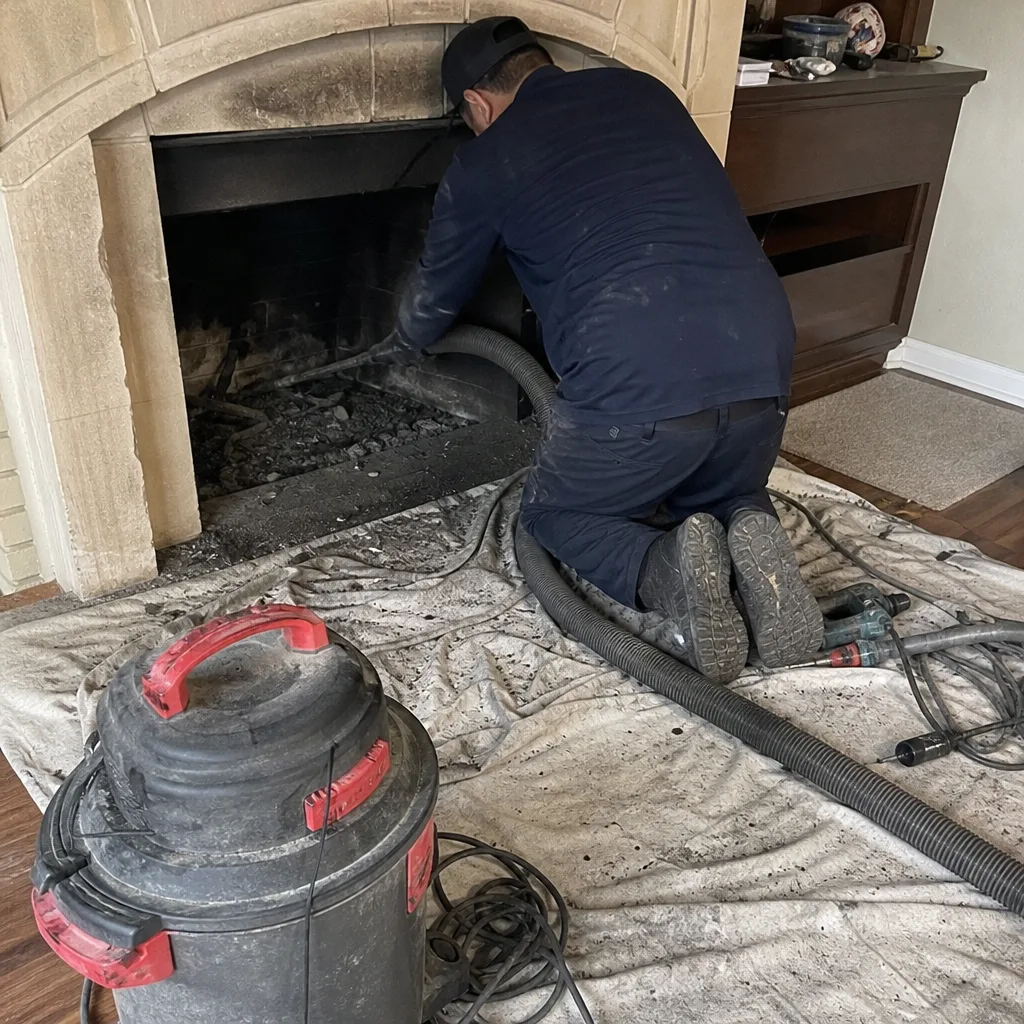 Before
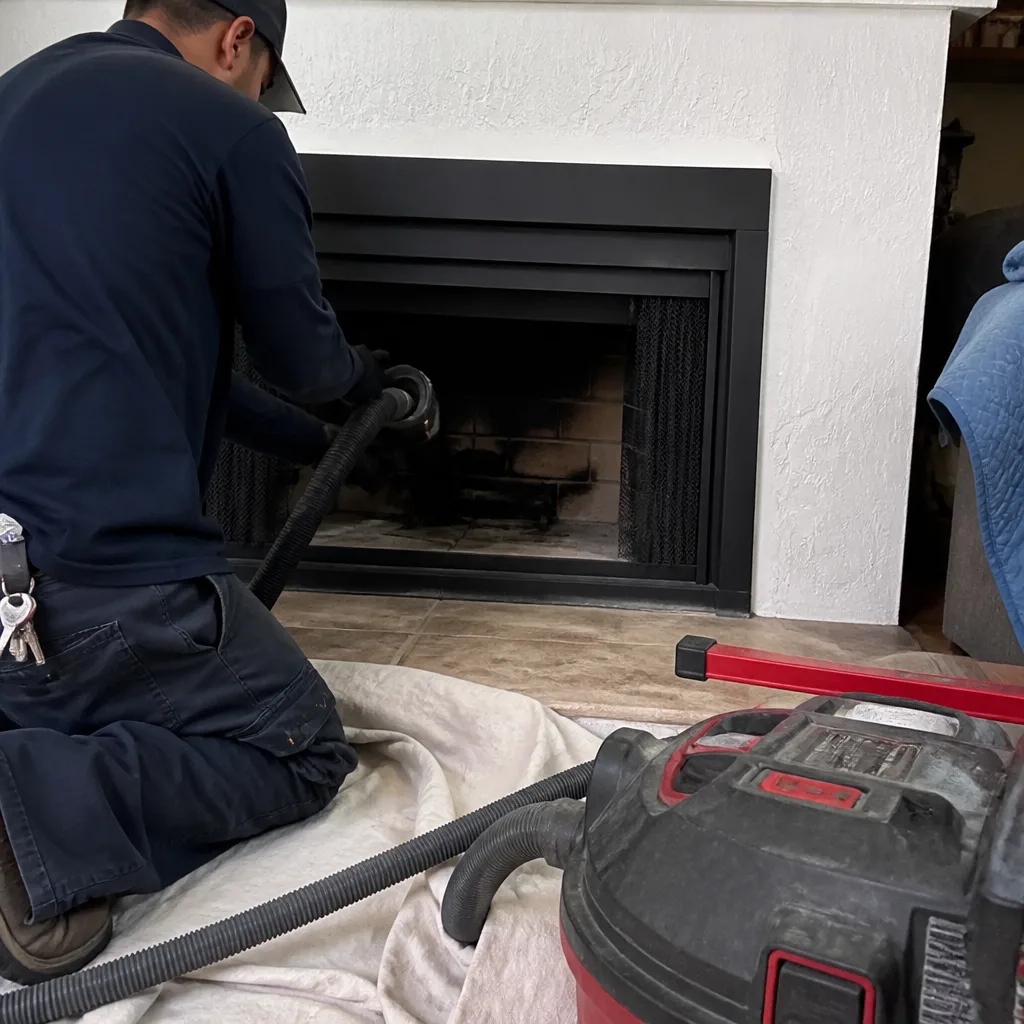 After
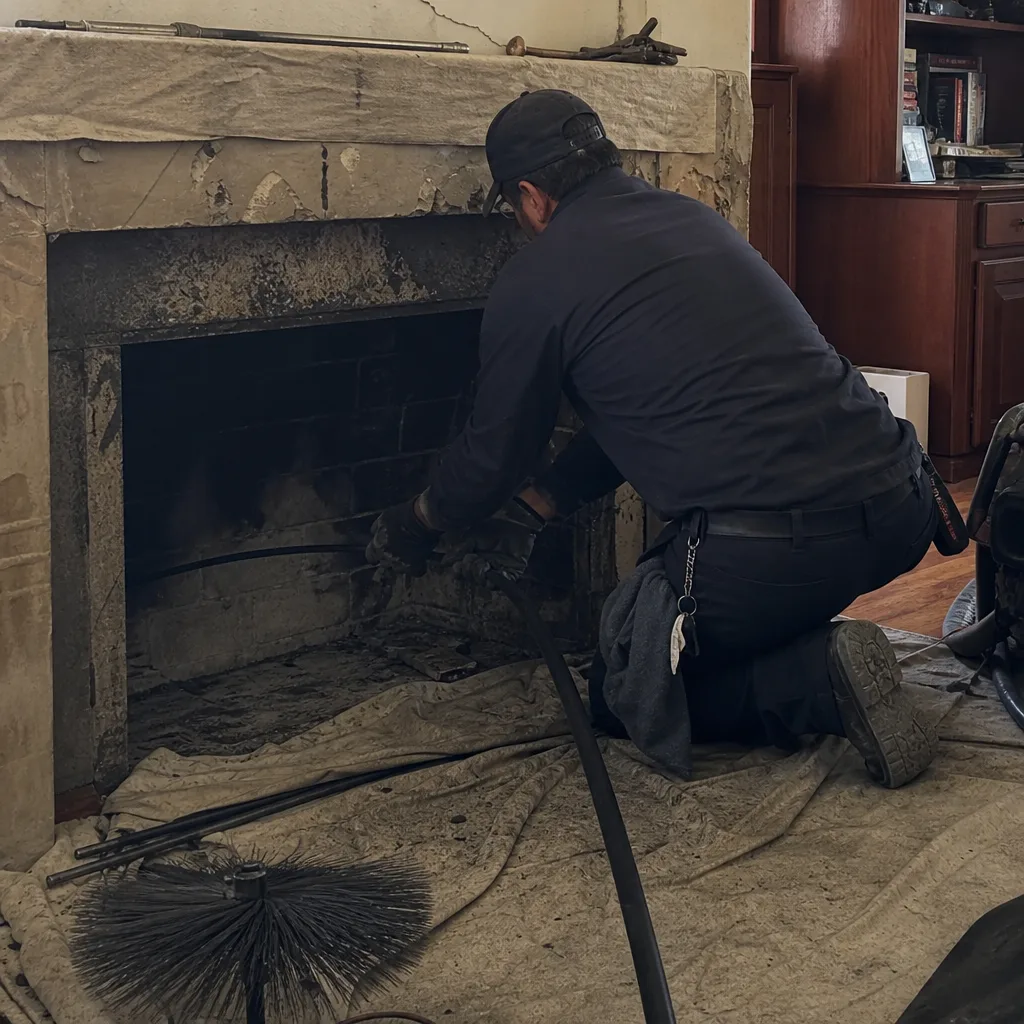 Before
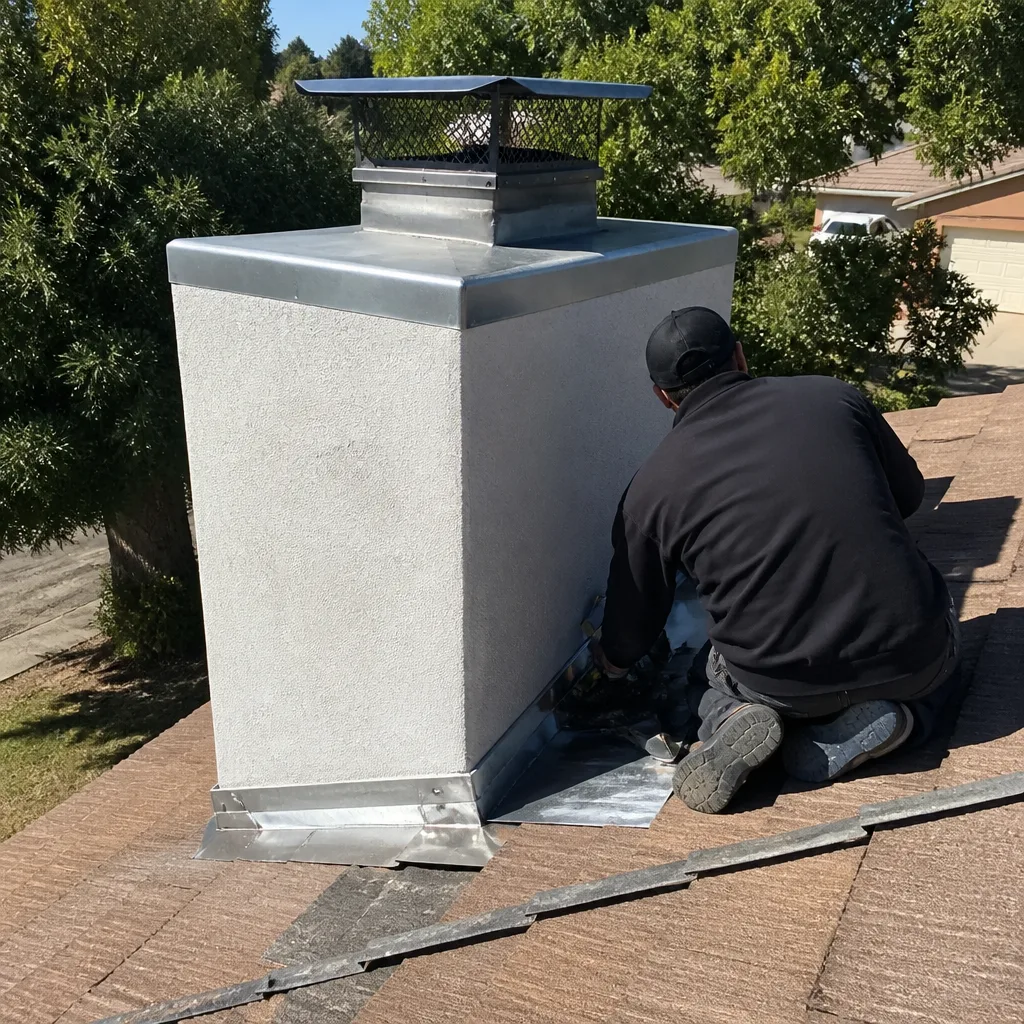 After
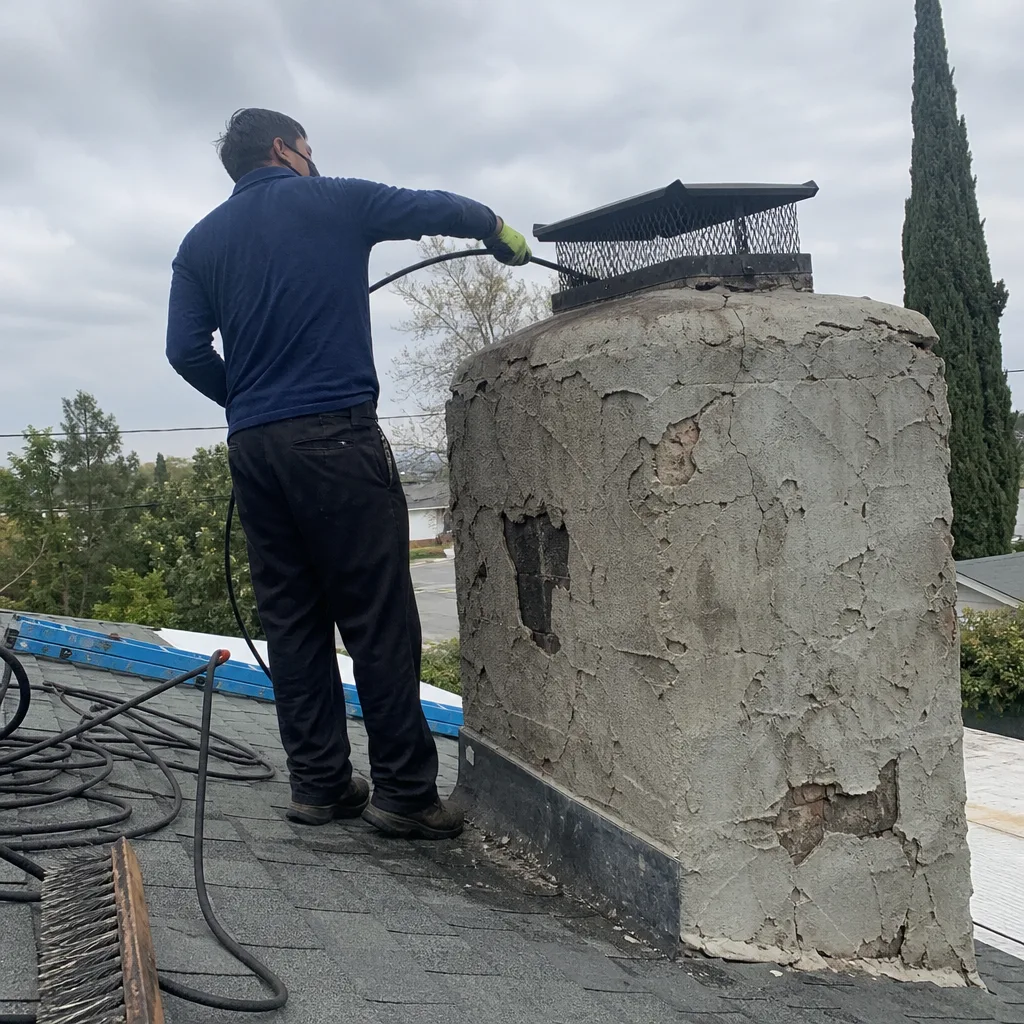 Before
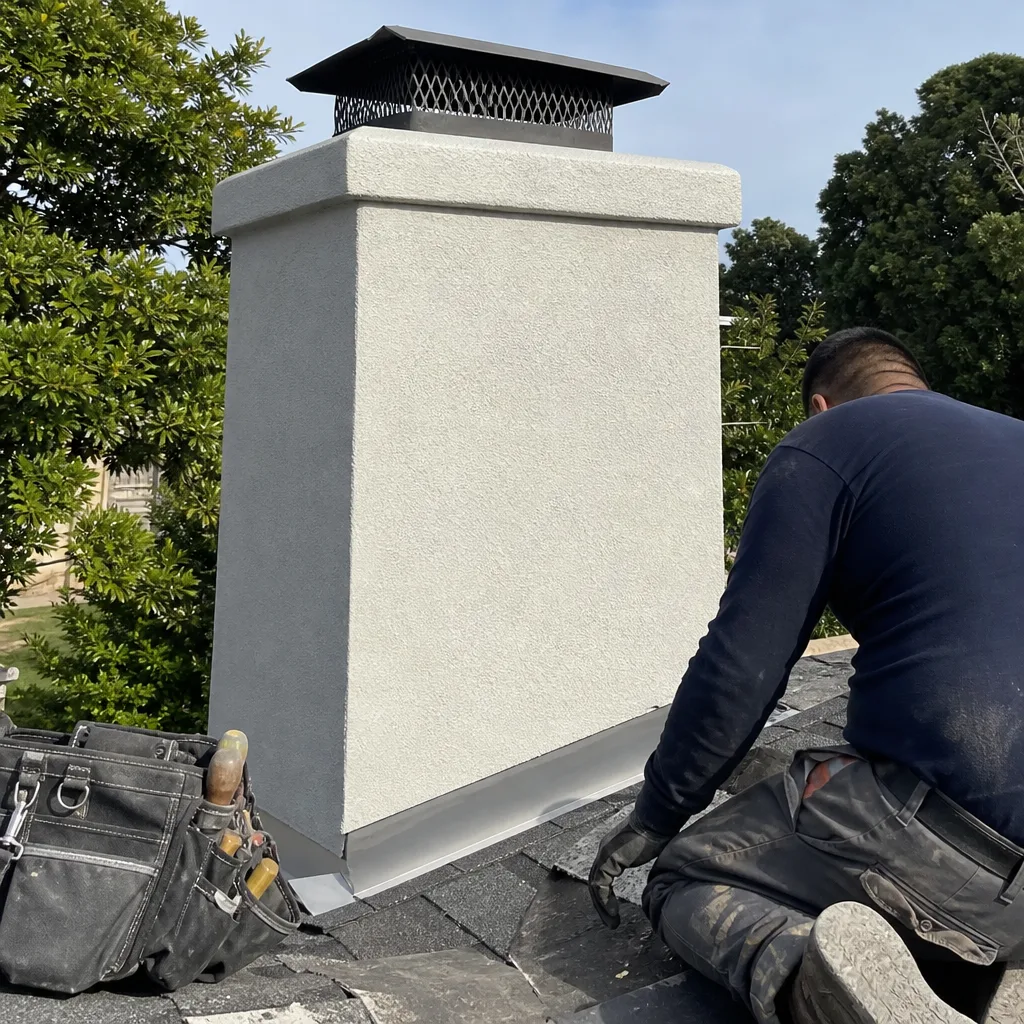 After