
Last updated November 2, 2026
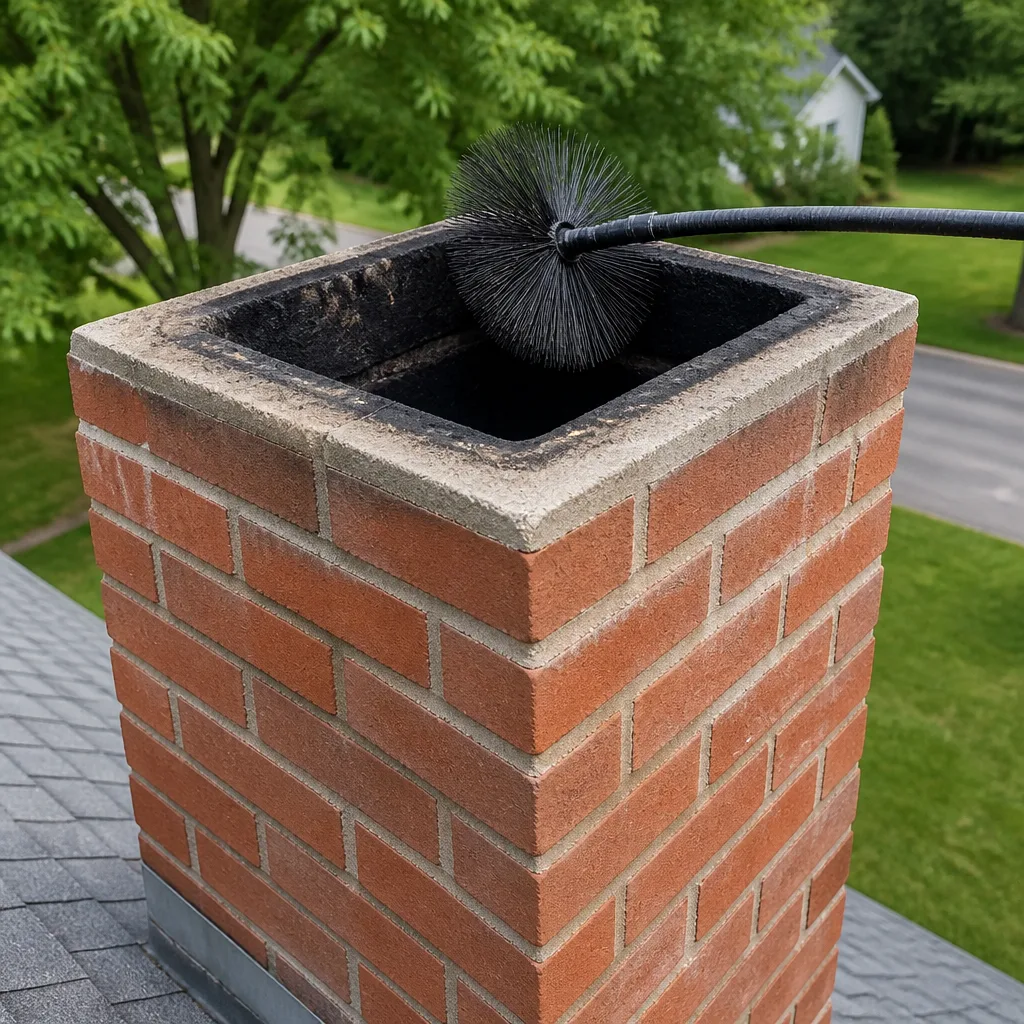 Sweep & inspection
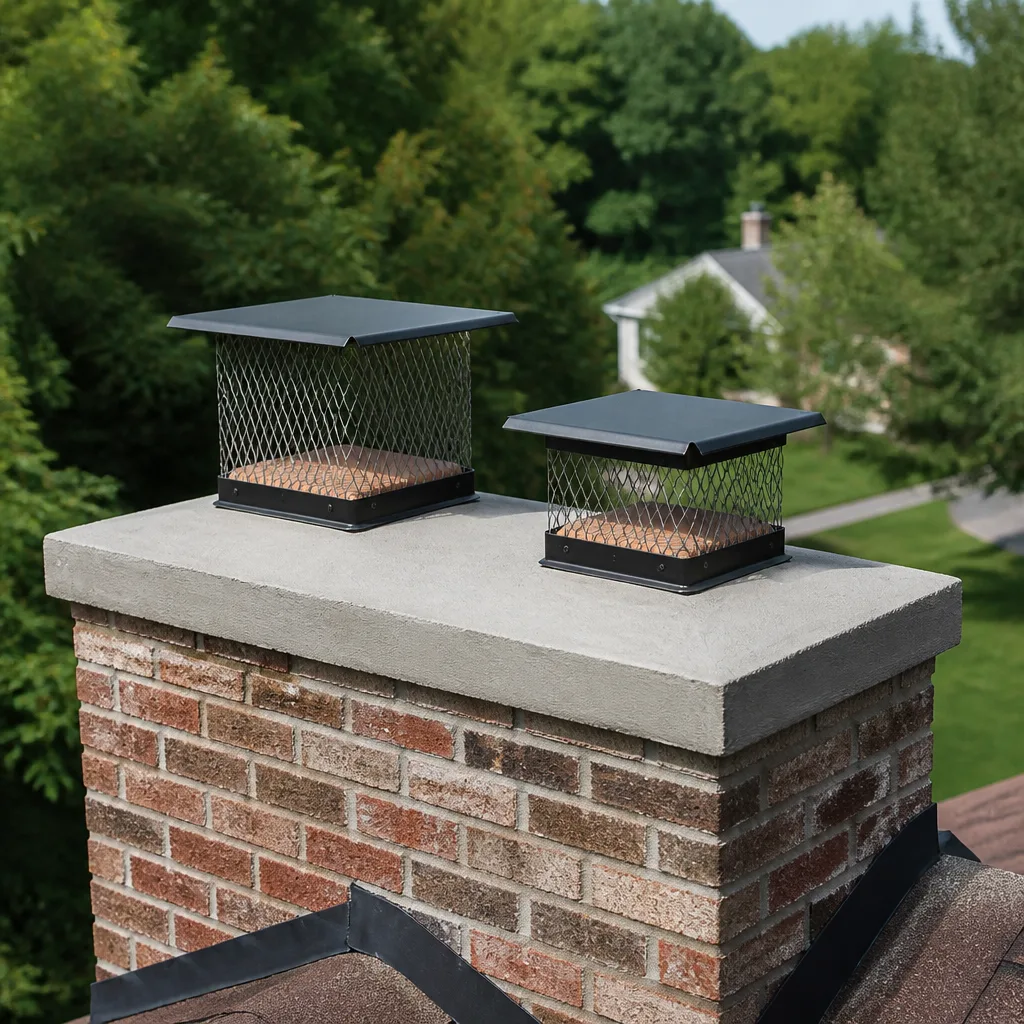 Caps & crowns
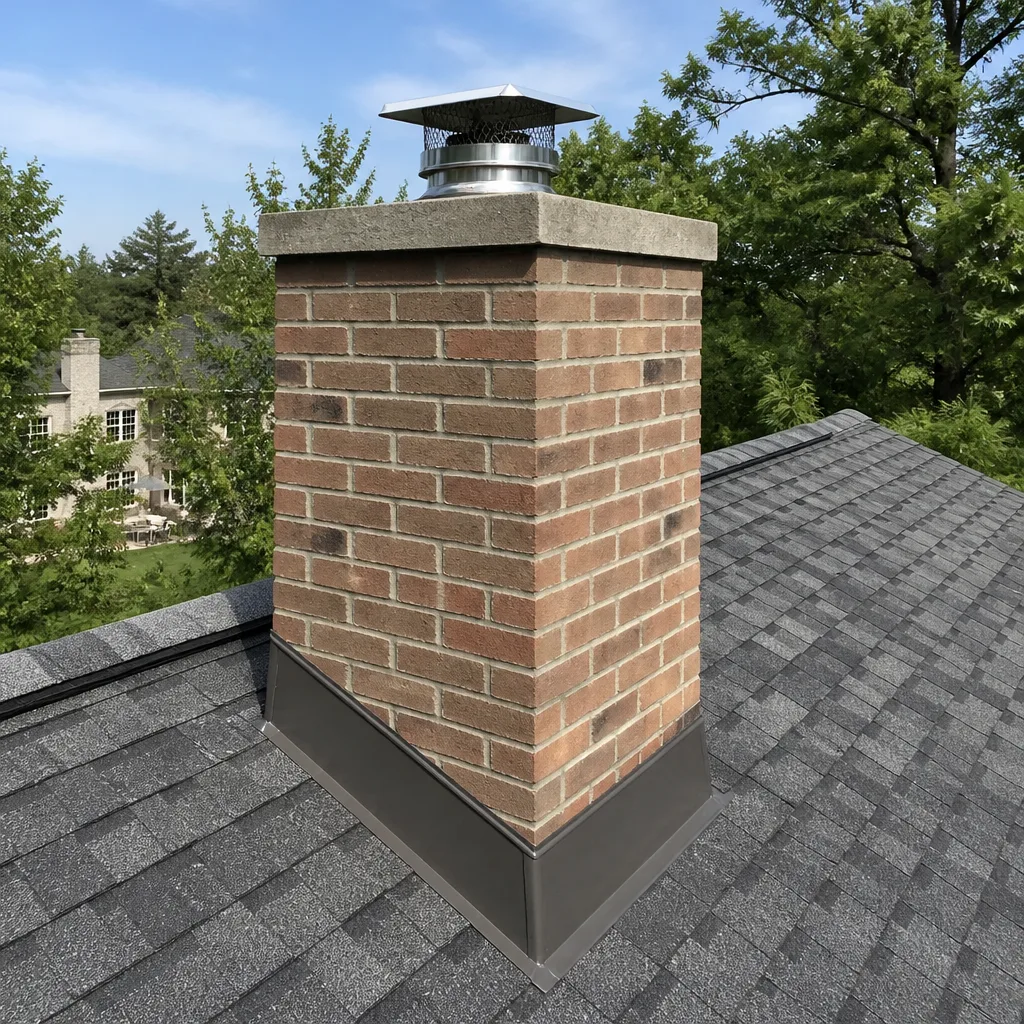 Flue relining
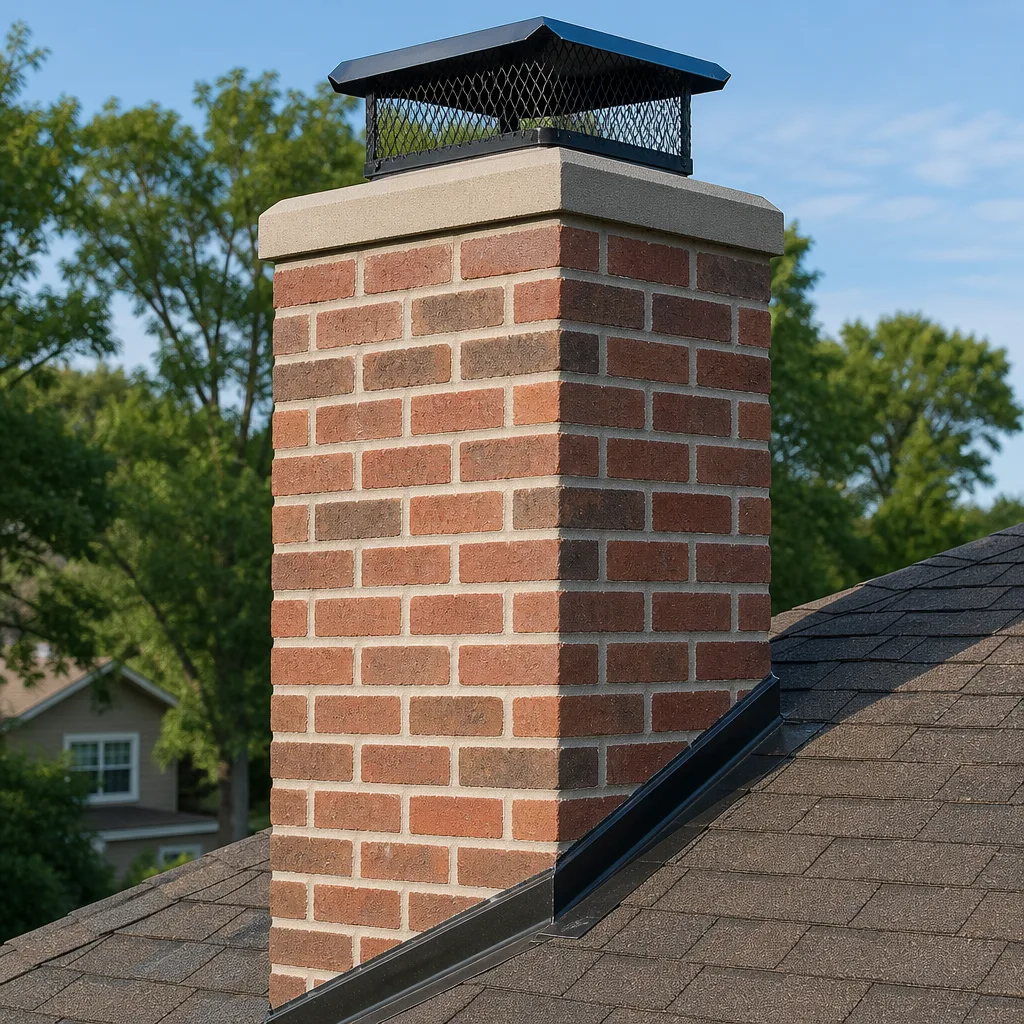 Masonry repair
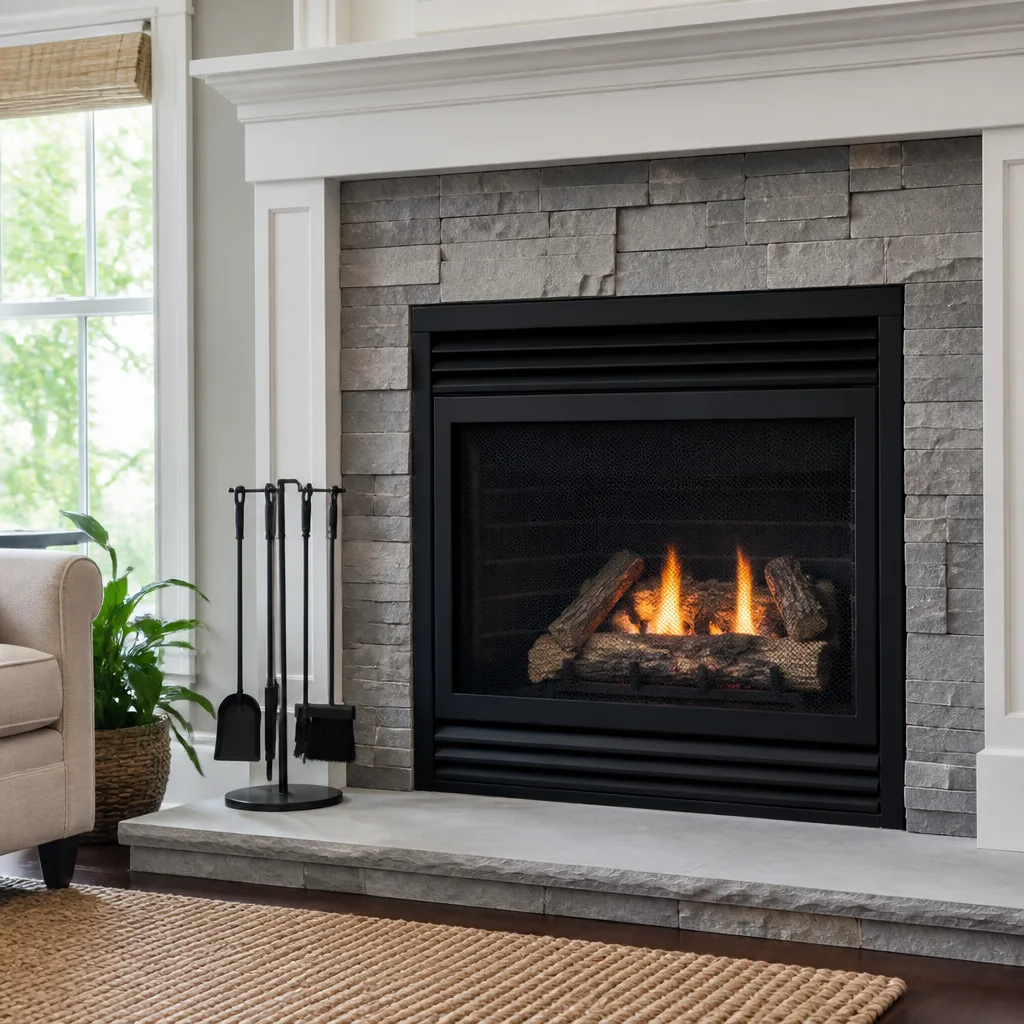 Gas fireplace service
Level 1 sweep and inspection to the NFPA 211 annual standard - flue, crown, cap, and flashing checked and photographed
Chimney sweep logs do not sweep chimneys. They loosen some creosote - which then falls where a brush and vacuum still have to collect it.
Chimney Sweep Troubleshooting: Common Problems and How to Fix Them
If smoke is rolling back into your living room, buying a new damper is probably the wrong fix. Nine times out of ten, the real culprit is a blocked or undersized flue that no new hardware will solve. In Panorama City, where bungalows from the 1950s and 1960s still dominate whole blocks, we see the same handful of chimney complaints year after year, and most of them trace back to one missed root cause. This complete chimney sweep guide for Panorama City homeowners walks you through the five most common problems, how to trace each symptom to the actual system failure, and when a fix is simple enough to handle yourself versus when you need a camera inspection before anyone touches a tool.
Styles & brands we work with
- Sweep & inspection
- Caps & crowns
- Flue relining
- Masonry repair
- Gas fireplace service
Quick Answer
Most chimney problems, including smoke backdraft, odors, and debris falling into the firebox, are symptoms of one of three root causes: a flue restriction (creosote buildup, animal nesting, or a collapsed liner), negative air pressure inside the home, or water intrusion through failed flashing or a cracked crown. Fixing the symptom without identifying which system failure is behind it is why so many homeowners in Panorama City pay twice for the same problem.
Table of Contents
- Problem 1: Smoke Backdraft and Draft Issues
- Problem 2: Chimney Smell in Summer (and Why It Smells at All)
- Problem 3: Animal Intrusion and Debris in the Firebox
- Problem 4: Water in the Firebox or Stains on the Ceiling
- Problem 5: Visible Cracking in the Firebox or Exterior Masonry
- What You Can Fix Yourself (and What You Shouldn’t Touch)
- Common Mistakes to Avoid
- When to Call a Professional
- Frequently Asked Questions
- The Bottom Line
Problem 1: Smoke Backdraft and Draft Issues
Smoke coming back into the room is the most alarming chimney complaint we hear, and it is also the most frequently misdiagnosed. The instinct is to replace the damper or add a taller cap. Sometimes that helps. Often it doesn’t, because the flue was never the problem to begin with.
A chimney works on a simple principle: warm air rises, creating a pressure difference that pulls combustion gases up and out. When that pressure difference gets disrupted, smoke stalls or reverses. Here is the diagnostic flow we work through in Panorama City homes, in order of what we actually find most often:
- Flue restriction. Creosote buildup narrows the flue opening. A chimney that worked fine in January can start backdrafting by March because a season of fires has coated the liner walls. In wood-burning fireplaces that haven’t been swept in several years, the flue can be over 50% obstructed. This is the single most common cause of backdraft we see, and it’s why an annual chimney sweep in Panorama City solves more draft complaints than any hardware purchase ever will.
- Cold flue air. A column of cold air sits in the flue between fires. When you light a fire, the cold air pushes back against the rising warm air. In Panorama City’s mild winters this is less severe than in colder climates, but it still happens on chilly mornings. The fix is to prime the flue: hold a lit roll of newspaper near the open damper for 30 to 60 seconds until the draft reverses direction, then light your fire.
- Negative house pressure. This is the hidden culprit most guides skip. Modern homes and renovated bungalows in Panorama City are sealed tighter than older construction. Range hoods, bathroom fans, and central HVAC systems pull air out of the living space. If the house can’t pull replacement air in through leaks around windows and doors, it pulls air down the chimney instead. The smoke follows. This is not a chimney problem, it’s a house pressure problem, and no new damper or cap will fix it. The fix is opening a window near the fireplace by an inch or two when burning, or having a make-up air system installed by an HVAC contractor.
- Undersized or improperly sized flue. Wood stoves and inserts installed by previous owners sometimes get connected to existing masonry flues that weren’t designed for the appliance. The flue is too large for the stove’s output, and the gases cool and stall before they exit. This requires a proper relining with a correctly sized liner, often performed as a professional chimney repair in Panorama City.
Start with the restriction check. If you haven’t had a chimney sweep in over a year, that’s your probable answer. If you have a clean flue and still get backdraft, look at your exhaust fans and window seals before spending money on parts.
Problem 2: Chimney Smell in Summer (and Why It Smells at All)
Chimney odors fall into two categories, and confusing them is one of the most expensive mistakes a homeowner can make. Creosote smells sharp, smoky, and slightly acidic, like a cold campfire soaked in tar. A moisture or mold smell is musty, damp, and earthy, like a basement after rain. The first is a cleaning issue. The second is structural.
Here is why summer makes chimneys smell in the first place. During the warm months, the air pressure inside the house and outside flips compared to winter. Instead of warm air rising up the flue and carrying odors out, the chimney becomes a reverse channel: warm outdoor air sinks down the flue, picks up whatever is coating the liner walls, and deposits that smell inside the house. This is normal chimney physics. Every unsealed chimney does it to some degree. The variable is what’s inside the flue waiting to be picked up.
If the smell is creosote, the fix is straightforward: the chimney needs sweeping. Creosote is the byproduct of wood combustion, and every fire you burn adds more. In a Panorama City home used heavily from November through February, a single season can deposit enough creosote to smell strongly by June. A sweep removes the source, and if the odor persists, an odor-absorbing chimney deodorant or a top-sealing damper can help between cleanings. But the cleaning comes first.
If the smell is musty or moldy, sweeping won’t solve it, because the problem isn’t the coating on the liner. It’s water getting into the chimney from a failed crown, damaged flashing, or a spalling brick face, then sitting in the masonry and breeding mold. You need a structural repair, not a cleaning. A proper Chimney Sweep Panorama City home inspection with a camera will show where the water is entering and what repair it needs. Confusing the two smells means paying for a sweep when you needed masonry work, or paying for masonry work when all you needed was to get the creosote out.
Problem 3: Animal Intrusion and Debris in the Firebox
Scratching sounds above the damper, twigs falling into the firebox, or the sudden presence of flies in the living room in spring all point to the same thing: something is living in or falling into your flue. The open top of an uncapped chimney is a visible entry point on every roofline in Panorama City, and birds, squirrels, and raccoons all use it.
Here is the correct diagnostic sequence:
- Listen and observe. Scratching during daylight hours is usually squirrels or birds. Heavy thumping at night suggests a raccoon. Flies clustered at the fireplace opening in spring mean a bird or squirrel died in the flue and the larvae are emerging.
- Do not try to smoke the animal out. Starting a fire under a nest compacts debris, traps the animal against a blockage, and can ignite the nesting material. We have seen chimney fires start this way.
- Do not reach up the flue to remove an animal or nest yourself. A panicked animal bites. Debris can shift and fall. This is one of the situations where a professional should handle the removal.
- After removal, inspect the flue before using the fireplace. Nesting material compacts against the liner walls and does not burn away on its own. It becomes a fire hazard. The flue needs sweeping even after the animal is gone.
- Install a proper chimney cap. This is the permanent fix. Not hardware-store mesh zip-tied to the flue tile, but a properly sized cap with a professional screen that keeps animals out while allowing full draft flow. We source Gelco and Famco caps for this reason: they’re the same professional-grade covers commercial contractors use, matched to the actual flue dimensions rather than a generic fit.
If the debris includes large pieces of masonry or flue tile, that changes the diagnosis entirely. Tile fragments falling into the firebox mean the liner itself is breaking apart, which is a structural failure requiring replacement or resurfacing. A cap won’t fix a collapsing liner.
Problem 4: Water in the Firebox or Stains on the Ceiling
Water in a chimney is never a cleaning problem, and it never goes away on its own. The question is where the water is entering. In our experience in Panorama City, with its dry summers and concentrated rainy season, most chimney leaks come from three points, and each has a different fix.
Failed flashing. This is the metal barrier where the chimney meets the roof. In older homes, flashing was often installed with roofing cement that cracks after 10 to 15 years of sun exposure, and Panorama City’s summer heat accelerates that breakdown. Water leaks down the outside of the chimney and shows up as ceiling stains or dampness around the fireplace. Fix: remove and replace the flashing with new metal, properly counter-flashed. This is roof work and chimney work at the same time, and it’s not a caulk-and-patch job.
Cracked crown. The crown is the concrete cap at the very top of the chimney. A small crack lets water soak into the masonry below, where it freezes and thaws during colder winter nights and slowly spalls the brick face. The crown crack is small; the damage it causes is extensive. Fix: recast the crown with a proper overhang, or seal small cracks with a professional-grade crown sealer before they widen.
Missing or failed chimney cap. Rain falling directly into an open flue is a surprisingly common source of firebox water, especially during Panorama City’s seasonal downpours. The rusted damper hardware and water stains in the firebox are the giveaway. Fix: a correctly sized cap from a professional supplier, not a generic cover from the hardware aisle.
The biggest mistake we see with water intrusion is a homeowner who caulks around the crown or the flashing with a consumer product, the leak returns in six months, and now there are layers of failed sealant to remove before the real repair can be done. The right approach is to locate the actual entry point first, which is what a camera inspection does. It removes the guesswork, and it means the repair is done once.
Problem 5: Visible Cracking in the Firebox or Exterior Masonry
Cracking is different from staining. Staining is cosmetic in most cases. Cracking is structural until proven otherwise. The distinction matters because of what you can safely ignore and what you can’t.
Hairline cracks in the firebox refractory panels. Refractory panels are the replaceable firebrick-like panels lining factory-built fireplaces. Small surface cracks under 1/8 inch are common and not immediately dangerous. However, if the crack widens, the panel shifts, or you can see the metal firebox shell behind the panel, the panel needs replacement. The firebox shell is not designed to be exposed directly to flame.
Crumbling mortar joints on the exterior chimney. This is spalling, and it progress slowly but never reverses. Loose mortar lets water penetrate deeper into the brick. In Panorama City, the cycle is: rain soaks in, heat expands it, the mortar degrades a little more. Repointing the affected joints while the damage is localized is a manageable repair. Waiting until bricks themselves are cracking turns it into a rebuild.
Cracks in the flue liner itself. This is the one you won’t see from outside. Flue liner cracks are inside the chimney, which is why they’re only diagnosed with a camera inspection. A cracked clay liner lets heat and combustion gases reach combustible framing, which is the definition of a chimney fire waiting to happen. The conventional fix is full relining with a stainless steel system like DuraFlex. The alternative, which most homeowners haven’t heard of, is HeatShield resurfacing: a ceramic sealant applied through the existing flue that restores the liner’s integrity without a full tear-out. Restoration before replacement is the principle here, and it can extend chimney life at a fraction of the cost of full relining.
What You Can Fix Yourself (and What You Shouldn’t Touch)
There is a clean dividing line in chimney maintenance, and it comes down to access and risk. If the work requires climbing onto the roof, reaching into the flue, or exposing yourself to crumbling masonry, that’s professional territory. Here is what’s reasonable for a homeowner and what isn’t.
Reasonable DIY fixes:
- Priming the flue before lighting a fire to reverse a cold-air backdraft.
- Opening a window near the fireplace to counteract negative house pressure while burning.
- Installing a chimney cap, if you own a tall enough ladder, are comfortable on a steep roof, and have confirmed the flue tile dimensions. Note that most single-story Panorama City bungalows have roofs of moderate pitch, which makes this more realistic than on a two-story pitched roof, but the risk is still real. A fall from a single-story roof causes serious injury.
- Inspecting exterior brick from the ground with binoculars for obvious mortar loss or crown cracking.
- Cleaning the firebox itself: removing ash, wiping down the damper plate, checking the damper opens and closes fully.
Do not attempt yourself:
- Removing an animal or nest from the flue. This is how bites happen, and a compacted nest can trap you in a bad situation if it shifts.
- Repointing or rebuilding chimney masonry. The skill is learnable, but the height risk is not something to practice.
- Repairing or replacing a flue liner. This requires equipment, tolerances, and product knowledge that only come with professional training. The liner is the physical barrier between fire and house frame.
- Installing a cap on a roof you’re not confident walking on. This is a safety decision, not a skill decision.
- Sweeping the flue from the top with a store-bought brush kit. Top-down sweeping from a roof is legitimate, but the roof access risk is the same as cap installation, and the brush can get stuck on a deteriorated liner, which requires retrieval equipment you don’t have.
The phrase we keep coming back to: professional-grade materials, not hardware-store guesswork. The consumer products available for chimney repair are, at best, temporary patches. Professional repair products like Copperfield flue sealants and HeatShield resurfacing compounds are not sold at retail, and they’re not applied without a proper inspection first. When the problem is inside the flue, the proper fix is not available in a tube.
Common Mistakes to Avoid
- Buying a new damper to fix a backdraft without checking the flue. If the flue is restricted, the best damper in the world won’t move air. The damper controls airflow; it doesn’t create it. Sweep first, then evaluate.
- Confusing creosote smell with mold smell and paying for the wrong service. We covered this above, but it bears repeating: smoky and acidic is a cleaning issue. Musty and damp is a water entry issue. Know the difference before you call anyone.
- Chimney sweeping logs as a substitute for a real sweep. Creosote sweeping logs can loosen some surface deposits, but they cannot remove the dense, glazed creosote that actually causes chimney fires. They are a maintenance supplement, not a replacement for a mechanical sweep.
- Caulking over a flashing leak. Roofing sealant applied over failed flashing delays the repair and makes the eventual replacement more expensive, because the new flashing has to be installed around layers of old sealant. Fix the flashing, don’t paint over the symptom.
- Ignoring a cracked crown because the crack “looks small.” Small crown cracks are the entry point for water that slowly destroys the masonry below. The crack is small. The repair window is now. Waiting turns a crown seal job into a rebuild.
- Burning during a backdraft episode, hoping it clears. If smoke is entering the room, carbon monoxide is entering the room with it. You can’t see it, and in an enclosed Panorama City living room with windows shut against the cold, it accumulates fast. Stop burning, open a window, and diagnose the cause before lighting another fire.
- Skipping the camera inspection before a repair quote. Some problems are visible from the roof. Most aren’t. A liner crack, a hidden animal nest, or a flue restriction partway down the chimney is invisible without a camera. Any repair you approve without a camera inspection is a guess, and guesses are expensive.
When to Call a Professional
Call a professional when the problem is inside the flue, on the roof, or structural. That means: any backdraft that persists after a sweep and basic draft-priming, any water entry that hasn’t been definitively traced to a flashing or crown problem, any cracking in the liner or significant spalling in the masonry, any animal that has been inside the flue at all (even if it left on its own, because it left a nest behind), and any chimney that hasn’t been inspected in over two years regardless of symptoms. If a smell, stain, or draft issue has returned after you already paid for a fix, the previous fix missed the root cause, and a camera inspection is the fastest way to find it. Chimney Sweep Panorama City offers free estimates in Panorama City, call (866) 632-1828.
Frequently Asked Questions
A standard chimney sweep in the Panorama City area generally runs between $150 and $250 for a single flue fireplace with normal creosote buildup, though heavy glazing, animal nest removal, or a second flue adds to that. The price difference between sweeps usually reflects what’s included: some companies charge extra for a basic inspection, others include camera verification as part of the sweep. We quote flat pricing before booking and include a camera inspection and photo report with every sweep. Call (866) 632-1828 for an exact quote for your fireplace or insert.
Summer chimney smell happens because the air pressure flips during warm weather: outdoor air sinks down the flue instead of rising up it, and that air picks up creosote or moisture odors and carries them into the room. If the smell is smoky or acidic, a sweep is the fix. If it’s musty or damp, you have water getting into the masonry, and that’s a structural repair, not a cleaning issue.
You don’t need a new liner unless a camera inspection shows a crack, separation, or collapse in the existing one. That is the only evidence that matters. If a company is recommending a liner replacement before any camera inspection has been done, get a second opinion. When a liner is genuinely compromised, full stainless relining is the conventional answer, but HeatShield resurfacing can restore the liner’s integrity without a full tear-out, at a much lower cost, in many cases.
Creosote accumulates with every fire, and it is a fuel source. When the buildup gets thick enough, the heat of a normal fire can ignite it, and a creosote fire burns hot enough to crack clay liners, melt flashing, and spread into the roof framing. Even without a full chimney fire, a restricted flue increases carbon monoxide risk inside the home. The annual sweep is not routine maintenance for the sake of routine; it is the primary defense against the most damaging failure a chimney can have.
It depends on the company. We treat dryer vent cleaning in Panorama City as a dedicated fire-safety service, not an add-on to a chimney job. Clogged dryer vents are one of the leading causes of house fires in the US, and the cleaning requires different equipment and a different standard than a chimney sweep. If your dryer has been taking longer than 40 minutes to dry a load, or you smell a musty odor from the dryer, the vent needs cleaning whether or not your chimney does.
The National Fire Protection Association standard is inspection at least once a year and sweeping when creosote reaches 1/8 inch of buildup. For a wood-burning fireplace used regularly from November through March in Panorama City, that almost always means an annual sweep. An insert or stove burning seasoned hardwood may stretch to 18 months. A gas fireplace used casually may go longer, but the annual inspection still matters because gas logs still vent through the chimney, and blockages don’t care what kind of fire created the opportunity for one.
The Bottom Line
Most chimney problems in Panorama City homes share a common thread: the symptom is obvious and the root cause is hidden. Smoke backdraft is usually a restriction, not a damper. Summer odor is either creosote or moisture, and the fix depends on which one. Water in the firebox is always a structural issue. Cracking is structural until proven otherwise. The pattern is simple: if the problem is inside the flue, on the roof, or connected to water entry, a camera inspection is the cheapest first step, because it identifies the real repair before money gets spent on the wrong one. And when the repair does happen, professional-grade materials from suppliers like Copperfield, Gelco, and HeatShield make the difference between fixing it once and fixing it again next year.
If you have a chimney problem you can’t identify or a symptom that keeps coming back, we’ll find the source and show you the camera evidence before any work is recommended. One call covers the full system, from firebox to cap. Contact Chimney Sweep Panorama City at (866) 632-1828 for a free estimate.
Written by the team at Chimney Sweep Panorama City, serving Panorama City since 2011. Explore more guides & resources on our blog.
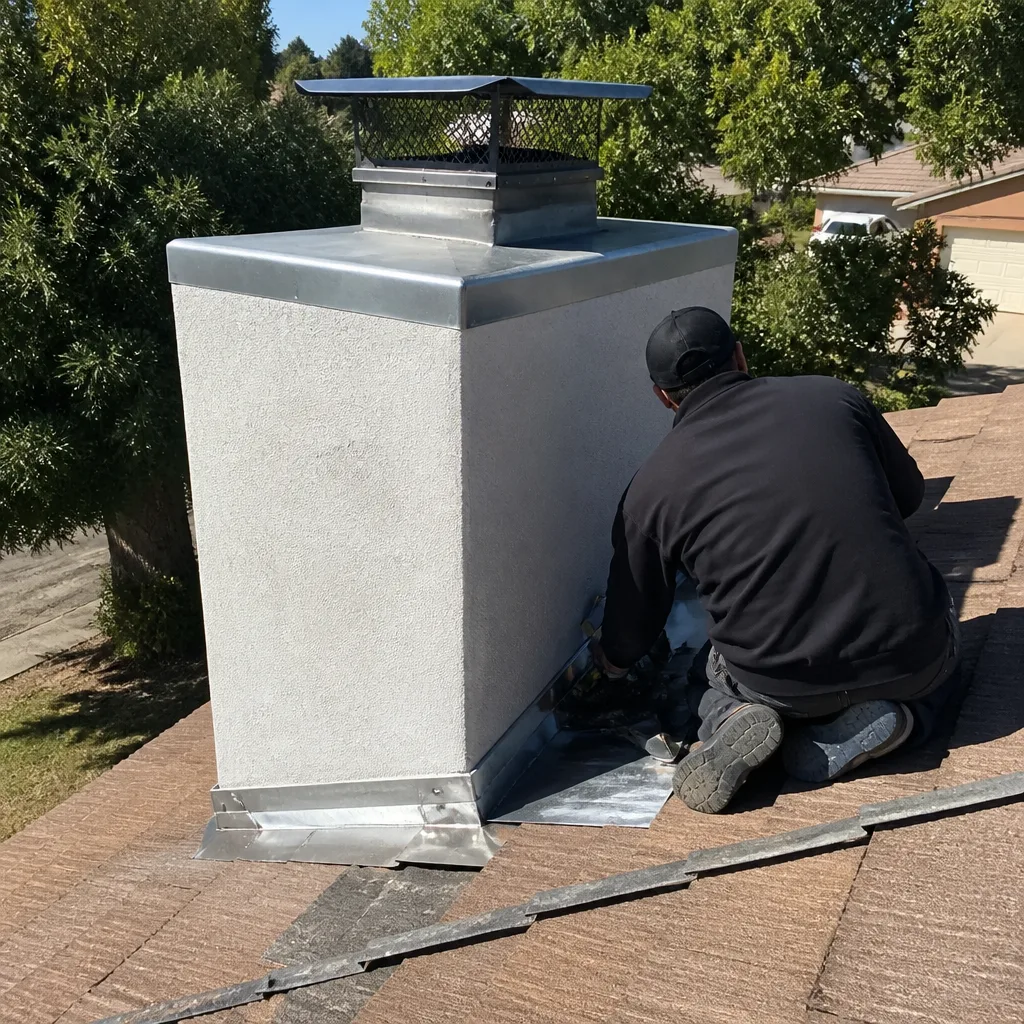
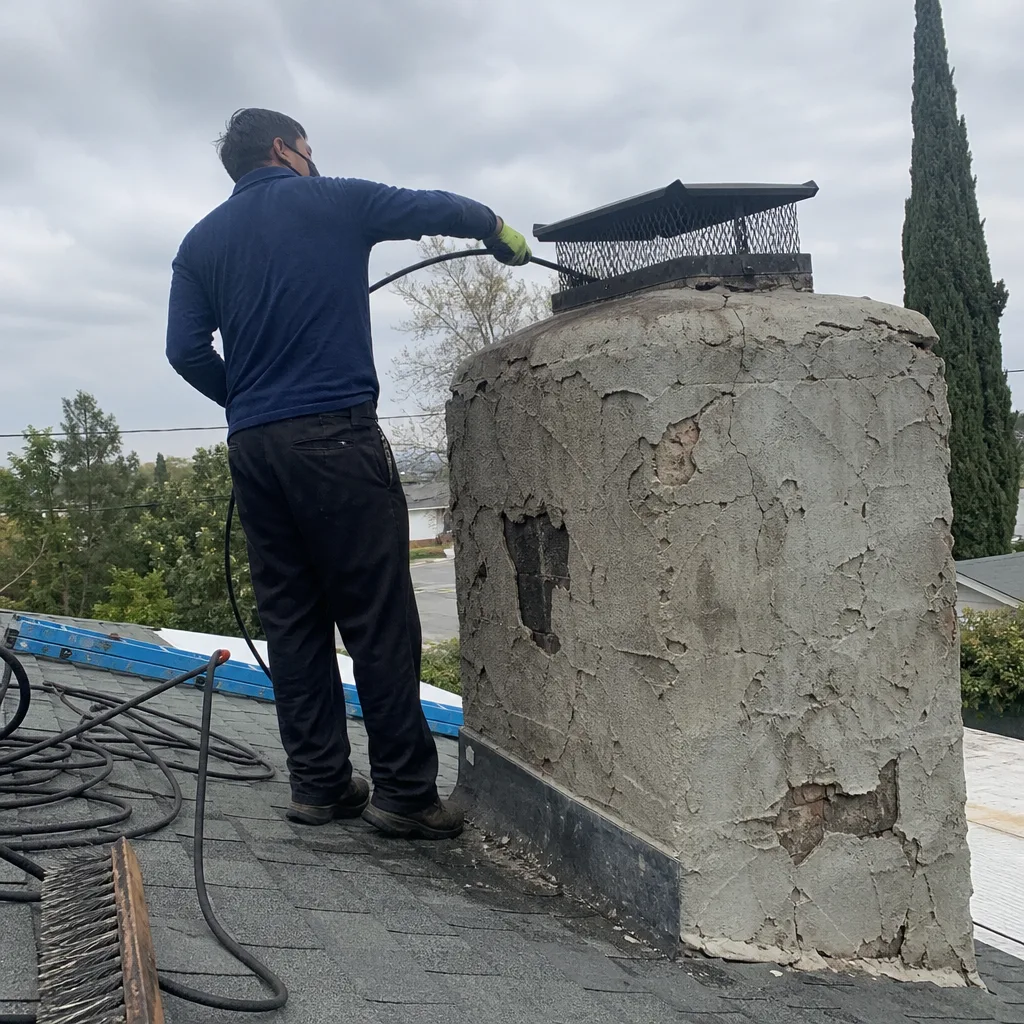
See the difference
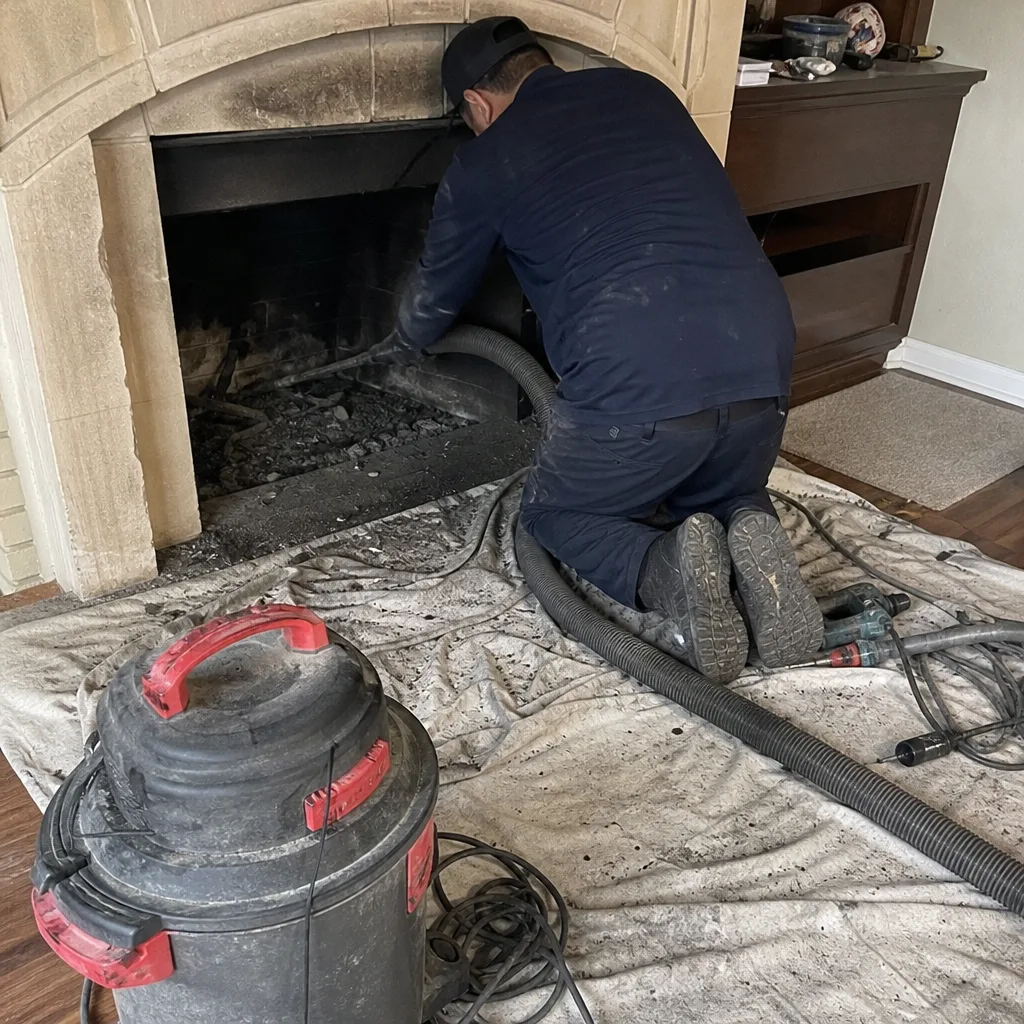 Before
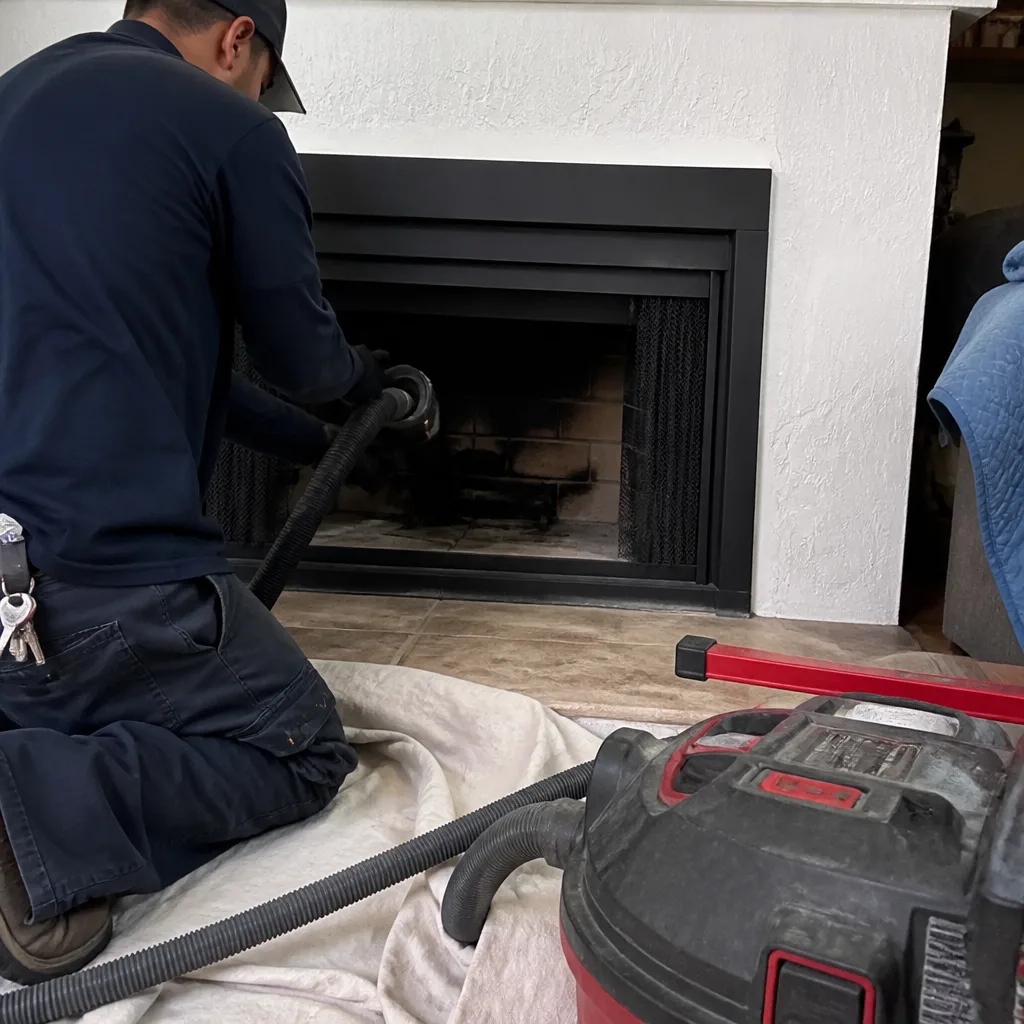 After
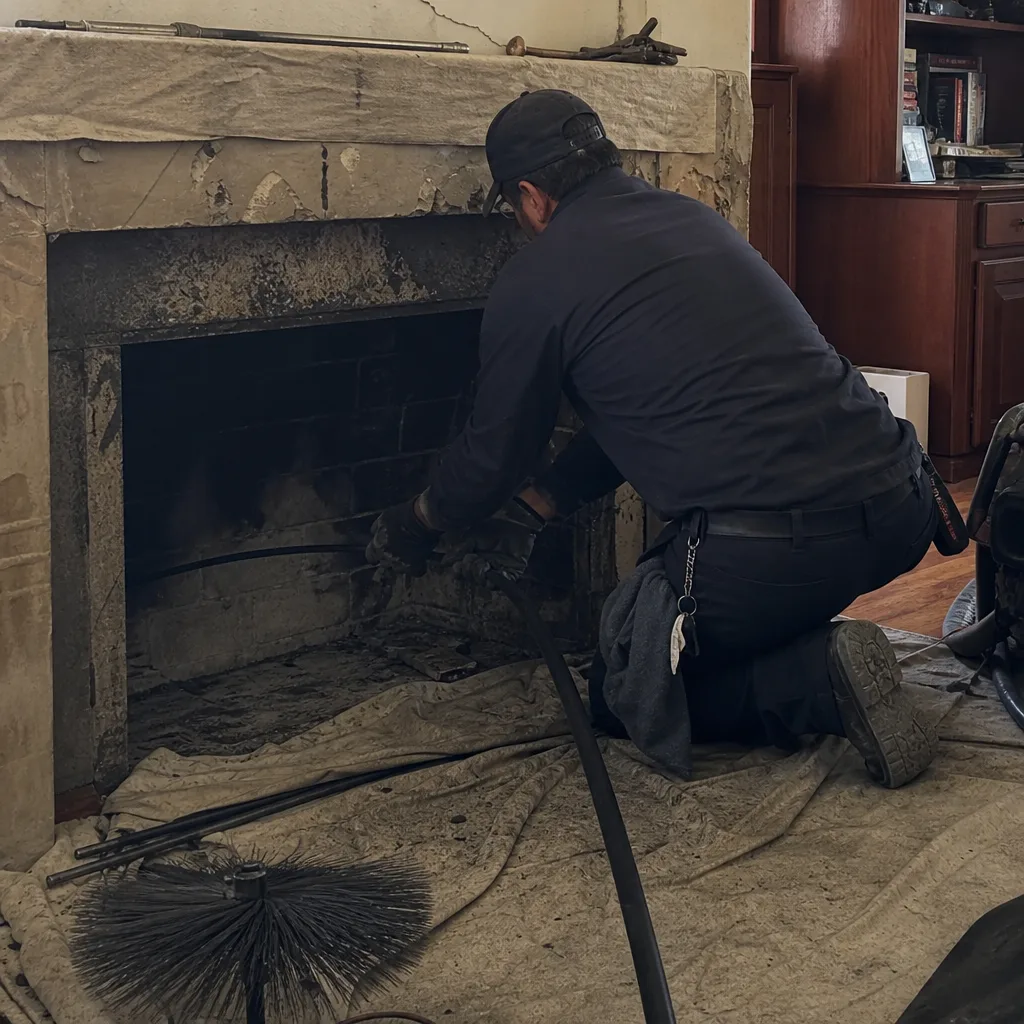 Before
 After
 Before
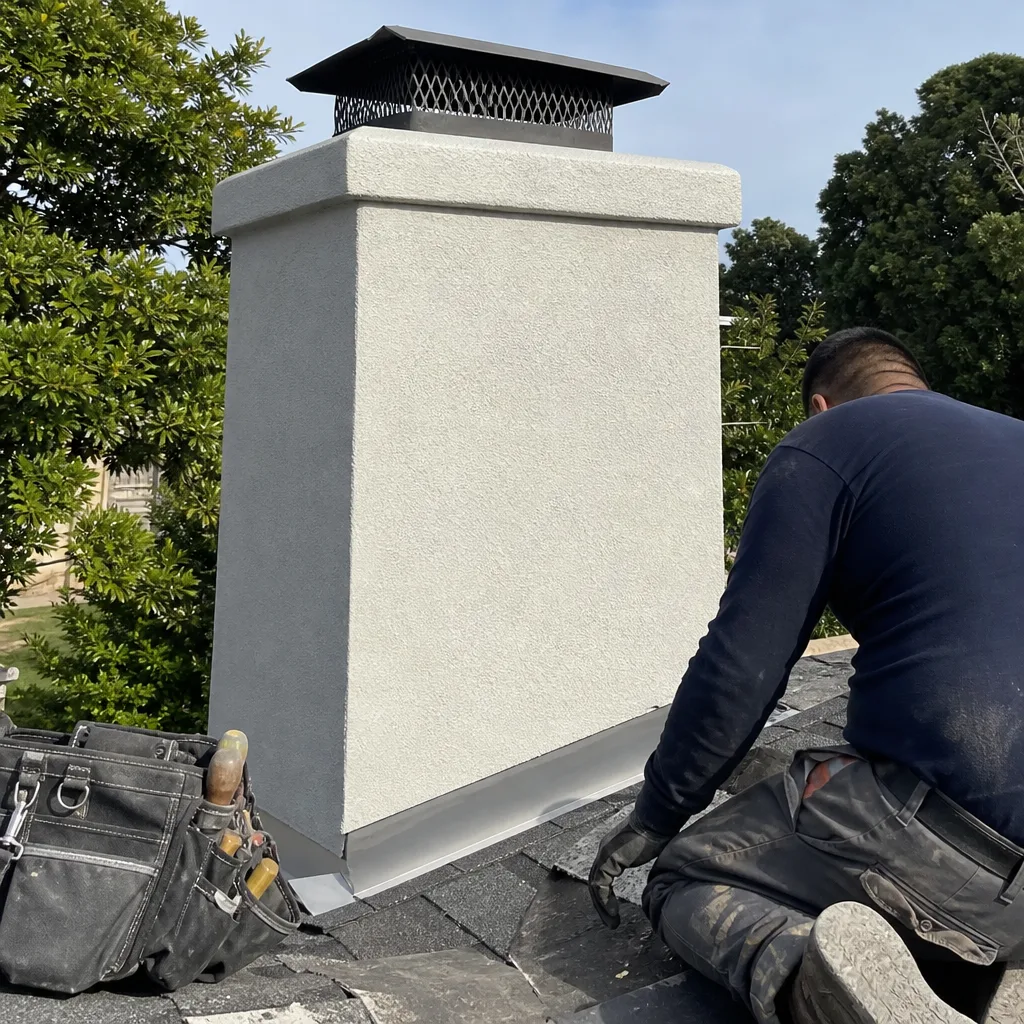 After