
Last updated November 3, 2026
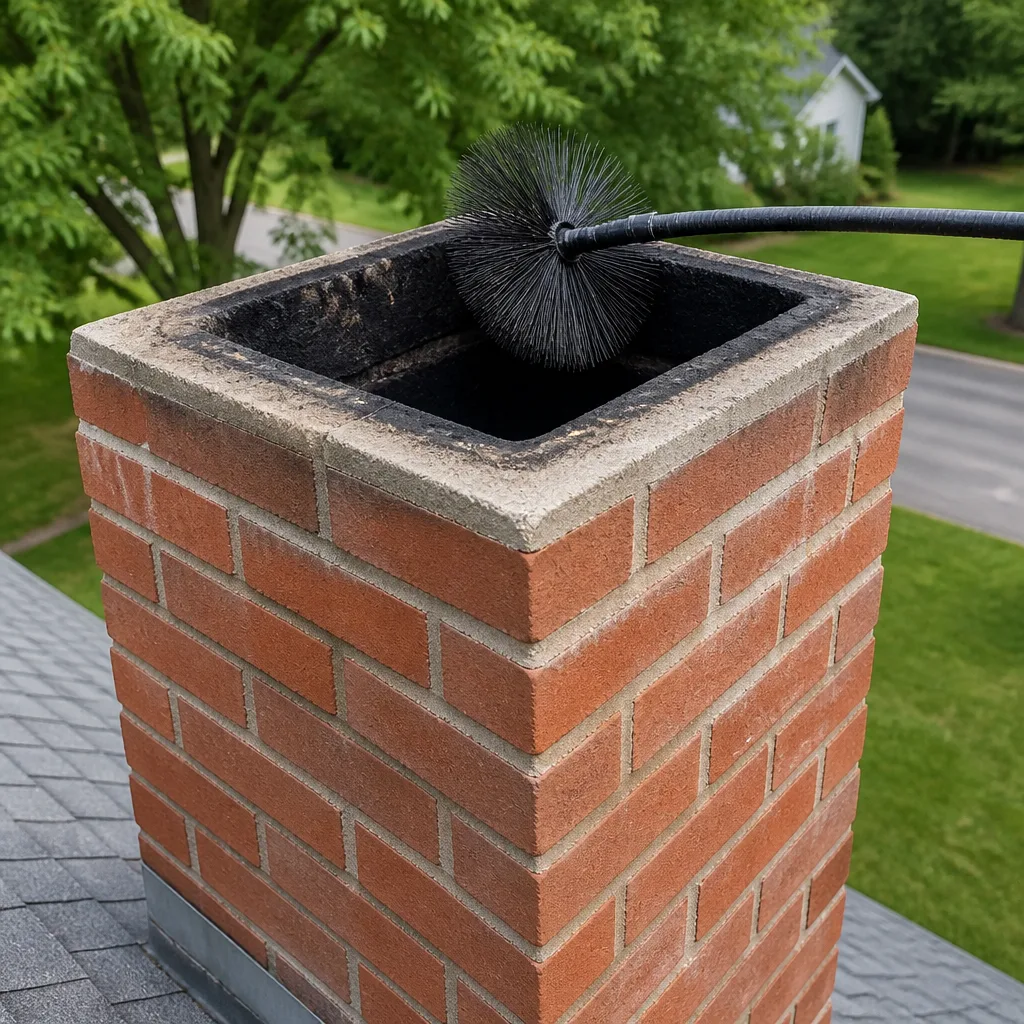 Sweep & inspection
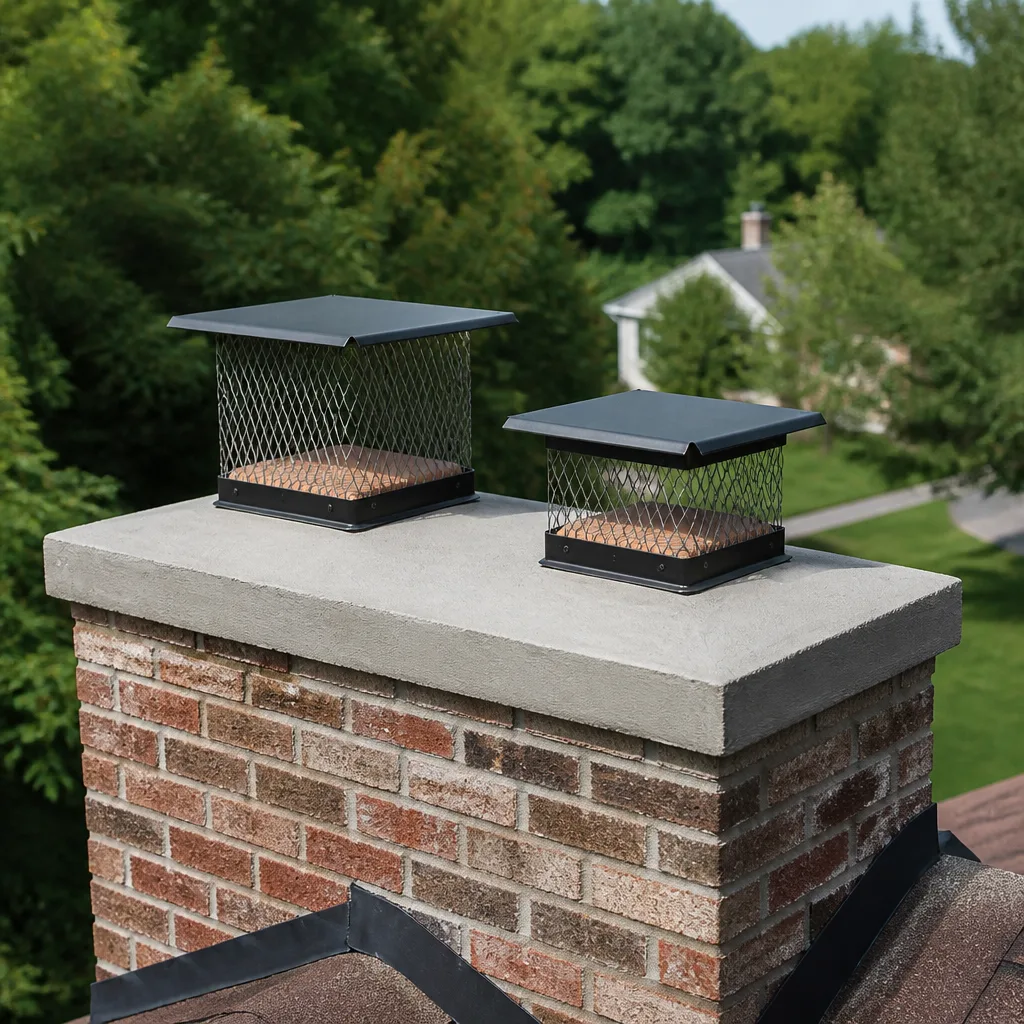 Caps & crowns
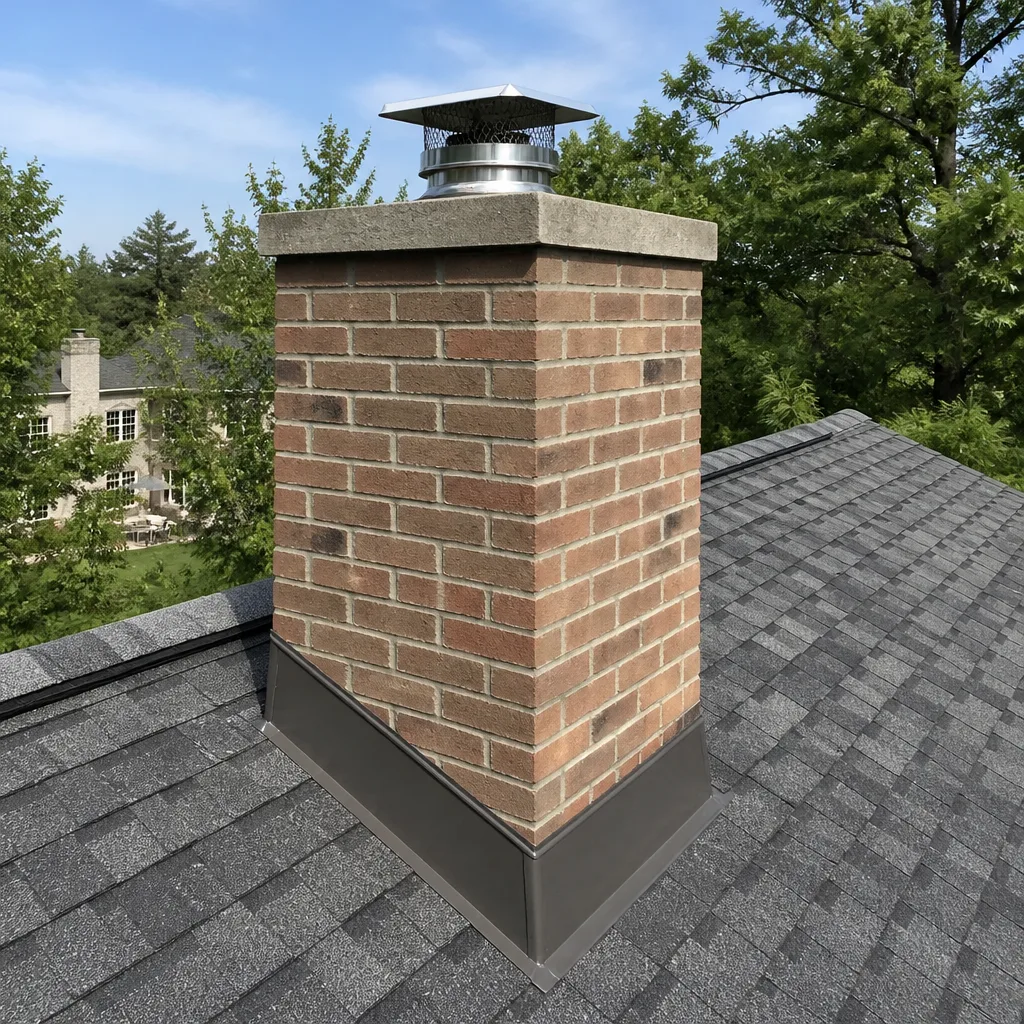 Flue relining
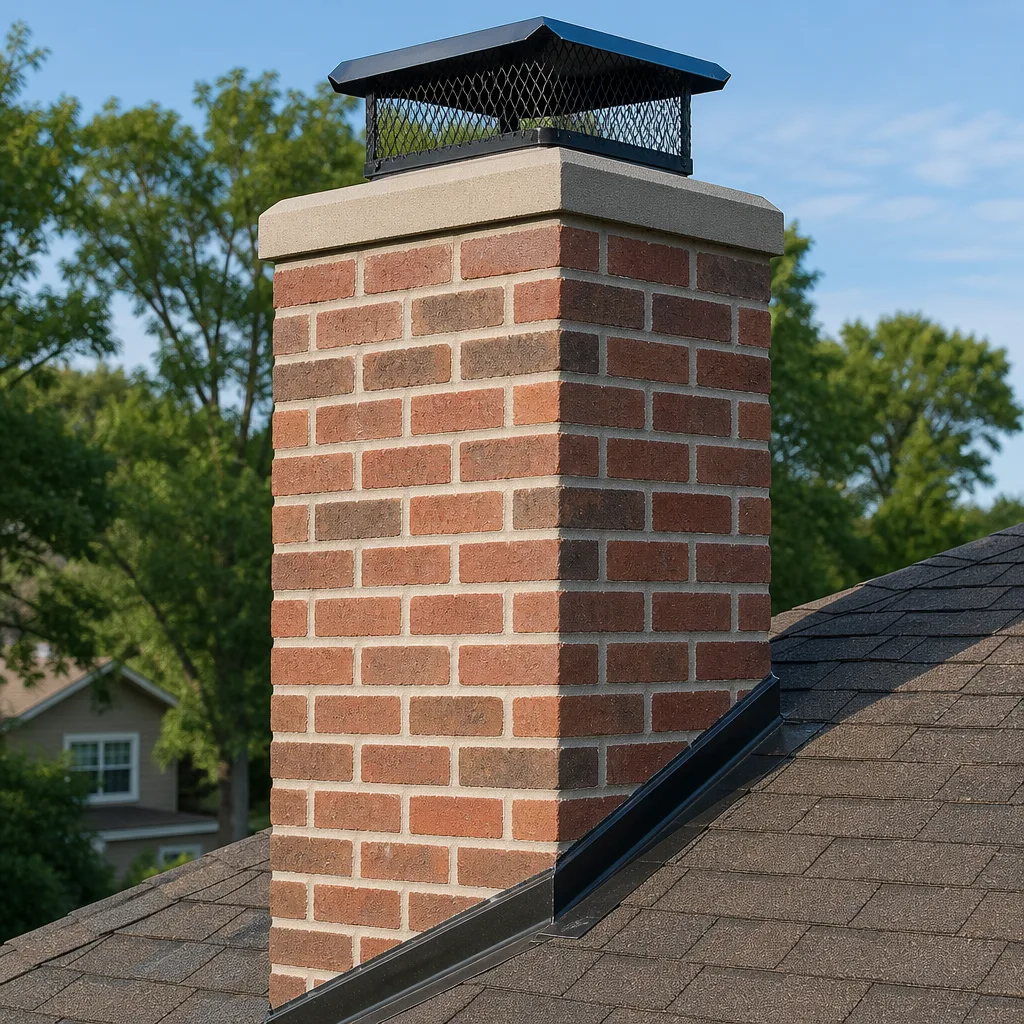 Masonry repair
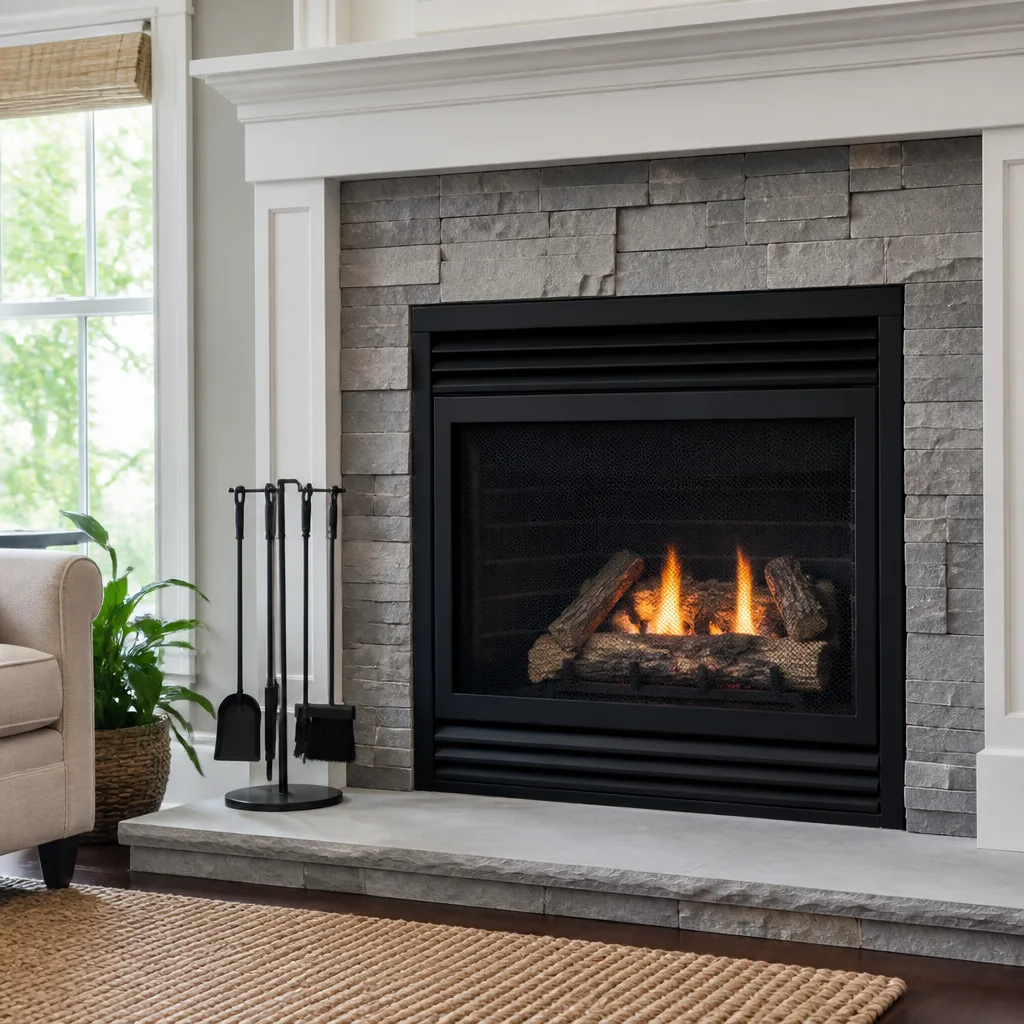 Gas fireplace service
Level 1 sweep and inspection to the NFPA 211 annual standard - flue, crown, cap, and flashing checked and photographed
Chimney sweep logs do not sweep chimneys. They loosen some creosote - which then falls where a brush and vacuum still have to collect it.
The Complete Chimney Sweep Guide for Panorama City Homeowners
A chimney used only a handful of times per year can accumulate more hazardous debris than one used weekly. Birds, pests, and moisture don’t take the summer off just because your fireplace does, and in Panorama City, that means a fireplace that sits dormant from March through November becomes a quiet target for nesting, rust, and creosote accumulation that most homeowners never see until it becomes a real problem. This guide explains the specific neglect pattern that affects San Fernando Valley chimneys, what to look for, when to act, and how professional-grade materials differ from the hardware-store alternatives that fail in our climate.
Styles & brands we work with
- Sweep & inspection
- Caps & crowns
- Flue relining
- Masonry repair
- Gas fireplace service
Quick Answer
A professional chimney sweep in Panorama City typically costs between $150 and $300 for a standard inspection and sweeping, and the job takes 45 to 90 minutes. The real question for most Panorama City homeowners is not whether to sweep, but whether the chimney has developed animal nesting, moisture damage, or hidden creosote buildup during months of disuse. Annual inspection plus sweeping when needed is the standard recommendation for any fireplace used even once per season.
Table of Contents
- Why Low-Use Chimneys Need More Attention
- What a Chimney Sweep Actually Involves
- Reading a CSIA Inspection Report
- Panorama City Wildfire and Air Quality Considerations
- Gas Logs vs. Wood-Burning Flues in the Same Firebox
- Professional-Grade Materials vs. Hardware-Store Fixes
- Common Mistakes to Avoid
- When to Call a Professional
- Frequently Asked Questions
- The Bottom Line
Why Low-Use Chimneys Need More Attention
The conventional wisdom about chimney sweeping comes from cold-weather regions where fireplaces run daily for five months straight. In those homes, creosote builds predictably, and the annual sweep removes what the previous winter deposited. Panorama City doesn’t work that way. Our fireplaces see maybe ten to twenty burns per year, often clustered around the holidays, and then sit idle through long stretches of warm, dry weather. That infrequent use pattern creates a different and often more serious set of problems.
The biggest issue is animal nesting. A chimney that sits unused for months is an open invitation to birds, squirrels, and raccoons. In Panorama City, we regularly remove nests from flues where homeowners had no idea anything had moved in. A bird nest wedged against a flue wall does two dangerous things: it blocks airflow, and it becomes a fuel source sitting directly above your firebox. The first fire of the season ignites that nest and suddenly a cozy evening becomes a chimney fire.
Moisture is the second quiet destroyer. Panorama City’s mild winters mean many homeowners skip the chimney cap or use a cheap one that fails. Rain seeps into the flue, rusts the damper, deteriorates mortar joints, and in older San Fernando Valley homes, starts the slow process of brick spalling that eventually requires structural repair. The heat-cold swing of our climate accelerates this: hot summer days expand masonry, cool nights contract it, and tiny cracks widen season after season. That is why a chimney sweep in Panorama City is not just about soot removal. It’s a structural checkup for a system that has been quietly degrading during months of disuse.
What a Chimney Sweep Actually Involves
A professional sweep is more than running a brush up and down a flue. Here’s the step-by-step process a thorough sweep follows, and what you should expect when you schedule one in Panorama City:
- Pre-inspection of the firebox and hearth area. The sweep checks for visible damage, animal droppings, rust on the damper, and any debris that has fallen into the firebox. This establishes baseline condition before any cleaning begins.
- Flue inspection via camera or direct observation. Depending on the chimney’s height and condition, a sweep uses a camera system or a direct visual check to assess liner integrity, creosote thickness, and any blockages.
- Protection of the home interior. Drop cloths around the hearth, plastic sheeting over furniture when needed, and a vacuum system with HEPA filtration to keep dust out of your living space. This is a non-negotiable part of professional work.
- Mechanical sweeping of the flue. Wire or poly brushes sized to the flue diameter scrub the walls and remove creosote, soot, and any nesting material. The process is adjusted based on whether the flue is clay tile, stainless steel, or another material.
- Removal of debris from the smoke shelf. The smoke shelf is where debris collects most often, and it’s the spot most likely to harbor a hidden nest. A thorough sweep clears and vacuums this area completely.
- Post-sweep inspection and report. After cleaning, the sweep re-inspects the flue and provides findings: creosote levels, liner condition, any cracks or gaps, and a recommendation for next steps. This is where a professional differs from a guy with a brush: you get a documented assessment, not just a receipt.
In our experience, Panorama City homes built before 1980 often have clay tile liners that have never been camera-inspected. Those liners crack over time, and a crack you cannot see from the firebox is a crack that allows heat and gasses to reach combustible framing. The sweeping process is when those discoveries happen, which is why the inspection component matters as much as the cleaning.
Reading a CSIA Inspection Report
The Chimney Safety Institute of America (CSIA) defines three levels of chimney inspection, and knowing the difference matters when you’re looking at an older San Fernando Valley home. Here’s what each level means and when it applies:
- Level 1 inspection: A visual check of the readily accessible portions of the chimney, fireplace, and venting system. This is the standard inspection performed during a routine sweep when nothing has changed about the system. Sweeps look for basic soundness, clearances, and obvious obstructions.
- Level 2 inspection: Everything in a Level 1 inspection plus access to attics, crawlspaces, and basements, plus video scanning of the flue interior. A Level 2 is required when the property is being sold, after a chimney fire, after an earthquake, or when the fireplace has been changed in some way (new insert, new liner, new appliance).
- Level 3 inspection: The most invasive level, performed only when a Level 1 or Level 2 turns up a serious hidden issue that requires opening up part of the chimney structure to diagnose. This is rare and only happens when there’s a suspected structural problem that cannot be evaluated any other way.
If you’re buying a home in Panorama City, insist on a Level 2 inspection. The San Fernando Valley has seen decades of seismic activity, and a chimney that looks fine from the outside can have hidden liner cracks, separated mortar joints, or even shifted bricks that a standard visual check won’t catch. Sellers sometimes resist this because a Level 2 costs more and takes longer, but the cost of discovering a cracked liner after closing is thousands of dollars more. A Level 2 camera scan gives you a video record of what the flue actually looks like inside, and that documentation is worth every dollar in a real estate transaction.
For annual maintenance on a fireplace you’ve used the same way for years, a Level 1 is typically sufficient. The key is that whoever performs the inspection should be specific about what level they performed and what they found. A vague report that just says “cleaned and inspected” tells you nothing. You want documentation of creosote levels, liner condition, damper function, and any recommendations. That’s the difference between a professional assessment and a windshield-wiper handshake.
Panorama City Wildfire and Air Quality Considerations
Southern California’s wildfire season changes the calculus for wood-burning fireplaces in ways that homeowners in other climates never consider. During high-fire-danger days and poor air quality periods, burning wood in your fireplace may be restricted or simply a bad idea. The South Coast Air Quality Management District (SCAQMD) issues no-burn alerts for residential wood burning when air quality is expected to reach unhealthy levels, and Panorama City falls squarely within that regulatory zone.
The practical implication: your fireplace is not a year-round appliance the way it might be in Vermont. You’ll burn when the air is clear and the urge for a fire hits, which often means those cool December evenings after a rain. But during October and November, when Santa Ana winds dry everything out and wildfire smoke drifts into the Valley, burning wood is both environmentally irresponsible and potentially restricted. Check local air quality alerts before lighting a fire.
This intermittent availability means your chimney sits dormant more often than it operates, which circles back to the neglect pattern we described earlier. A Panorama City homeowner might go eight months between fires, and during those eight months, wildlife, moisture, and debris accumulate. The fireplace you light in December has been collecting problems since April. That is why annual inspection and sweeping is non-negotiable here, even if you only burn a handful of times each winter. We recommend scheduling your sweep in late fall, before the first burn of the season, so that you know the flue is clear and the system is sound. There is no point in lighting a fire and discovering a blocked flue through smoke pouring into your living room.
Gas Logs vs. Wood-Burning Flues in the Same Firebox
Many Panorama City homes have a firebox that once burned wood and has since been converted, sometimes only partially, to a decorative gas log set. This hybrid situation creates inspection questions that a generalist handyman often handles incorrectly. Gas and wood-burning systems have different requirements, different failure modes, and different venting needs.
A wood-burning flue accumulates creosote, a tarry, flammable residue that forms when wood smoke condenses on the cooler flue walls. Creosote is the primary fuel for chimney fires. A gas log set, by contrast, does not produce creosote, but it does produce high levels of water vapor and acidic combustion byproducts. Those byproducts eat away at mortar joints and can corrode metal dampers faster than wood burning alone. A gas log insert in a flue that was originally sized for wood burning also may not draft correctly, because the flue is larger than the gas appliance requires. This can cause condensation, backdrafting, and inefficient combustion.
When we inspect a hybrid firebox, we check three things that often get missed:
- The damper position. A wood-burning fireplace uses a fully open damper during burns and a closed damper when idle. A gas log set requires a permanently open or removed damper that cannot close, because gas appliances vent carbon monoxide continuously. If someone converted your fireplace to gas logs but left the original damper intact and closable, that is a carbon monoxide hazard.
- The flue sizing. A gas log set in a flue built for a wood fire often needs a smaller venting path. Without proper venting, gas byproducts linger, moisture accumulates, and your chimney deteriorates faster.
- The gas line routing. Gas lines should enter the firebox through a proper sealed penetration, not just a drilled hole with a pipe pushed through. An unsealed penetration lets pests in and allows combustion gasses to leak backward.
If your Panorama City home has a gas log set, do not assume that means you can skip chimney maintenance forever. The flue still needs annual inspection, and the gas system needs its own specific attention. A chimney repair in Panorama City that addresses gas venting issues is fundamentally different from one that addresses creosote or flue cracks. The right service depends on how your firebox is actually configured, and that starts with an honest inspection that does not assume.
Professional-Grade Materials vs. Hardware-Store Fixes
The materials used in chimney repair and restoration matter more in Southern California than in almost any other region, because our climate creates a specific failure pattern that generic products do not address. Panorama City’s heat-cold swing, combined with occasional heavy rain, means masonry and metal components expand, contract, and get wet in ways that test every weak point. This is where the difference between professional trade supplies and hardware-store substitutes becomes obvious.
Here’s an example: chimney waterproofing. The big-box store sells a masonry sealer that goes on like paint and creates a film on the surface of the brick. That film works for a season or two, then Los Angeles heat bakes it, and the next rain cycle causes it to peel, blister, and fail. We specify a penetrating siloxane-based waterproofing agent designed for chimney masonry, applied in multiple coats so that it bonds into the brick’s pore structure rather than sitting on top of it. The chemistry is different, and so is the lifespan.
The same principle applies to chimney caps, dampers, and chase covers. A generic cap from the hardware store is often sized incorrectly for the flue tile and attached with a few screws into the crown mortar. A cap sourced from Famco or Copperfield, two professional trade suppliers we work with regularly, is manufactured to exact flue dimensions and installed so that it seats correctly and stays put. The difference is not cosmetic. A properly fitted cap keeps out rain, birds, and debris, while a loose or undersized cap does none of those things reliably.
For liner work, restoration often beats replacement. A cracked clay tile liner that most sweeps would condemn to full relining can sometimes be restored with HeatShield, a cerfractory material that is applied to the flue walls and creates a new, smooth, insulated surface. Restoration is less expensive than a full stainless reline and can extend liner life by years when the damage is limited. That said, restoration is not always the right answer. Severe cracks, liner shifts, or structural problems call for a full DuraFlex stainless liner instead. The key is specifying the right product for the actual condition, not defaulting to the most expensive option or the cheapest patch. We would rather tell a homeowner their liner can be restored for a fraction of full replacement cost than sell them a reline they do not need.
Common Mistakes to Avoid
- Skipping the inspection because you only burn occasionally. Infrequent use is exactly the condition that allows nesting, moisture damage, and hidden creosote accumulation. Your “rarely used” fireplace is the one that most needs a qualified look before first burn.
- Installing a big-box chimney cap without checking flue dimensions. Ill-fitting caps fail in Panorama City’s wind and rain, and a cap that shifts even a half-inch is a cap that lets birds in. We see cap failures on San Fernando Valley chimneys every season.
- Converting to gas logs and keeping the wood-burning damper closable. This is a carbon monoxide risk. Gas systems require a permanently open venting path, and a closable damper defeats that safety requirement.
- Assuming a new home’s chimney is sound because the home inspection cleared it. Standard home inspections are visual only and rarely include a Level 2 camera scan. A chimney that “passed” a basic home inspection can still have cracked liner tiles and separated mortar joints hidden from view.
- Using dryer vent lint as an afterthought. Dryer vents are a separate venting system with its own fire-hazard profile, and a clogged dryer vent is statistically more likely to cause a house fire than a dirty chimney. Dryer vent cleaning in Panorama City should be scheduled on its own merits, not tacked on as an afterthought to a chimney visit.
- Ignoring the smoke shelf. The smoke shelf is the debris trap in every masonry fireplace, and it is the area most likely to hide a nest or accumulate creosote that a quick visual firebox check misses. A proper sweep clears it every time.
- Trying to sand or paint damaged brick to “fix” spalling. Spalling brick means moisture has entered the masonry and is breaking it apart from within. Painting over it traps moisture and accelerates the damage. The brick surface issue is a symptom, not the problem itself.
When to Call a Professional
Call a professional chimney sweep in Panorama City if you smell smoke or a campfire-like odor in the house when the fireplace is not in use, if you see visible soot or staining around the firebox or on the ceiling above the fireplace, if you hear or see animals in or around the chimney, if you notice water staining on interior walls near the chimney, or if it has been more than two years since the last inspection. These are not conditions that resolve themselves, and none of them are safe to ignore. A blocked or deteriorated flue is a fire hazard and a carbon monoxide risk. Chimney Sweep Panorama City offers free estimates in Panorama City – call (866) 632-1828 to schedule an inspection or sweeping, or explore more guides & resources.
Frequently Asked Questions
A standard chimney sweep in Panorama City typically runs $150 to $300 depending on flue configuration, accessibility, and whether the chimney has been recently maintained or has years of neglect. The exact quote depends on what the inspection finds. Call (866) 632-1828 for a free estimate in Panorama City.
Once per year is the standard recommendation, timed for late fall before the first burn of the season. Even if you only burn a handful of times, the annual inspection catches nesting, moisture damage, and liner cracks that develop during the long idle months.
Gas logs do not create creosote, so they do not need the same mechanical sweeping as a wood-burning flue. But they do need annual inspection, because gas combustion creates acidic condensation that deteriorates mortar and metal components faster than wood burning. The flue and gas line should be checked every year regardless of how often you use the gas logs.
A Level 1 inspection is a visual check of accessible components, while a Level 2 adds camera scanning of the flue interior plus access to attics and crawlspaces. Level 2 is required for real estate transactions, after a chimney fire, after an earthquake, or when the system has been modified. Panorama City home buyers should always request a Level 2.
A chimney fire often sounds like a loud roaring or rumbling noise, similar to a freight train or a low-flying plane, coming from the chimney. You may also see dense smoke, flames shooting from the chimney top, or a strong hot smell. If you suspect a chimney fire, evacuate the home and call 911. After any chimney fire, a Level 2 inspection is required before the fireplace is used again.
Sometimes, yes. HeatShield resurfacing can restore a cracked clay tile liner when the damage is localized and the chimney structure is otherwise sound. The process applies a cerfractory material to the flue walls, creating a new insulated surface. For severe cracks or structural compromise, a full stainless steel reline with DuraFlex liner is the correct repair. The choice depends on what a camera inspection actually shows, and we would rather restore than replace whenever the condition allows it.
No, dryer vents are separate venting systems from your chimney and should never be routed into the chimney. A dryer vent carries lint-laden air that would accumulate inside a chimney flue and create a fire hazard. Dryer vent cleaning is a distinct fire-safety service with its own equipment and protocols. If you have been told your dryer vents into your chimney, that is a code violation and should be corrected.
The Bottom Line
The chimney on your Panorama City home is not a set-it-and-forget-it feature. Infrequent use, our warm climate, and the wildlife that thrives here create a specific neglect pattern that surprises homeowners every winter. The answer is not to burn more or to burn less. The answer is an annual inspection by someone who knows what a Southern California chimney actually needs, performed with materials that are specified for our conditions, not sourced off a hardware-store shelf. One call covers the full system, from firebox to cap, and that is the only way to catch the problems that hide inside a flue for months at a time. Chimney Sweep Panorama City home serves homeowners throughout the San Fernando Valley with sweeping, repair, and dryer vent cleaning. Call (866) 632-1828 to schedule an inspection before the next burn.
Written by the team at Chimney Sweep Panorama City, serving Panorama City since 2011.
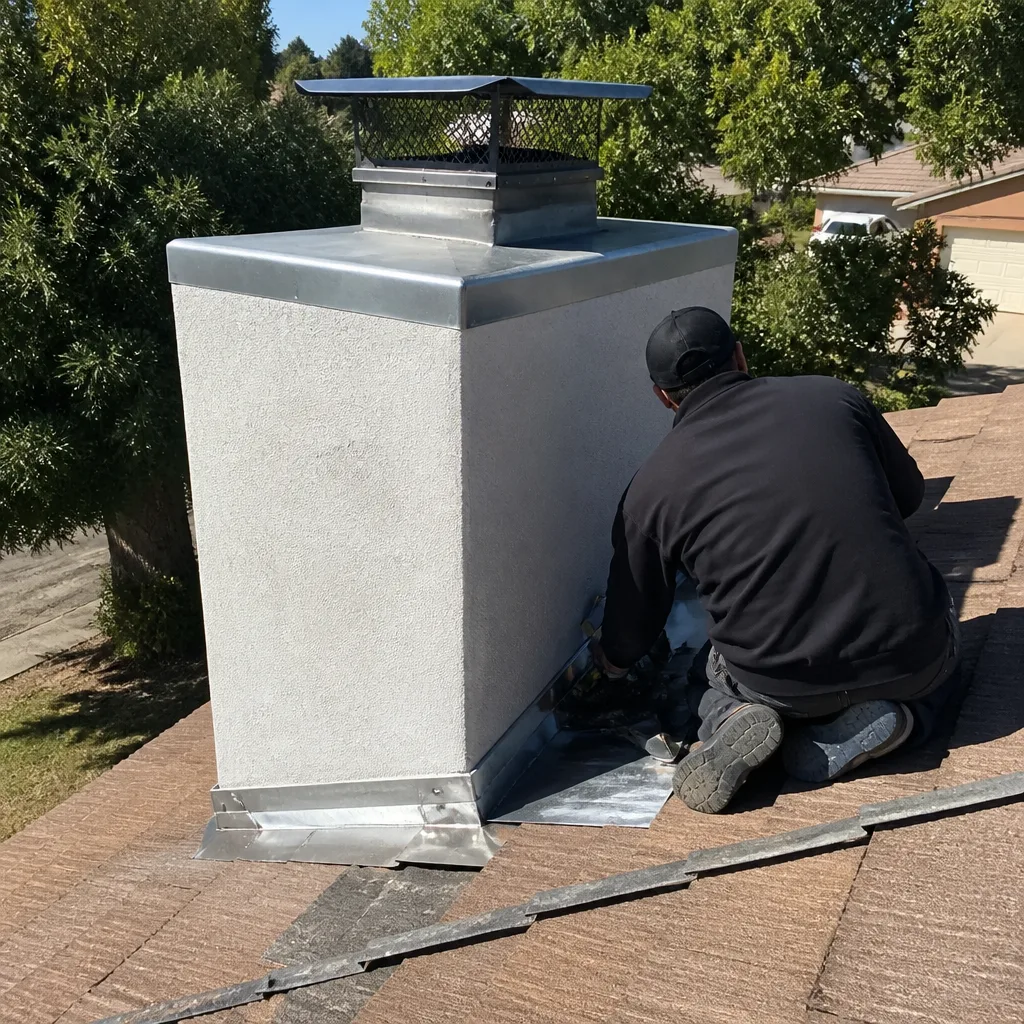
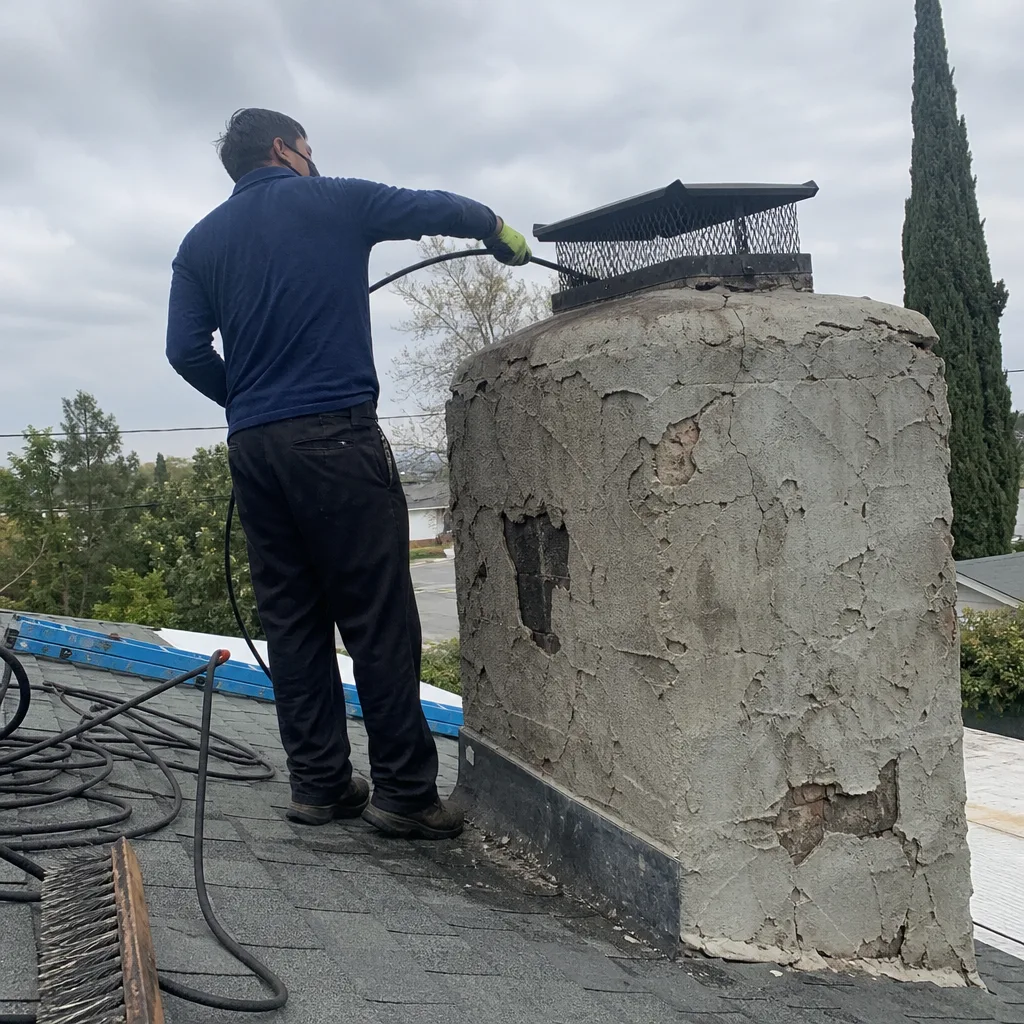
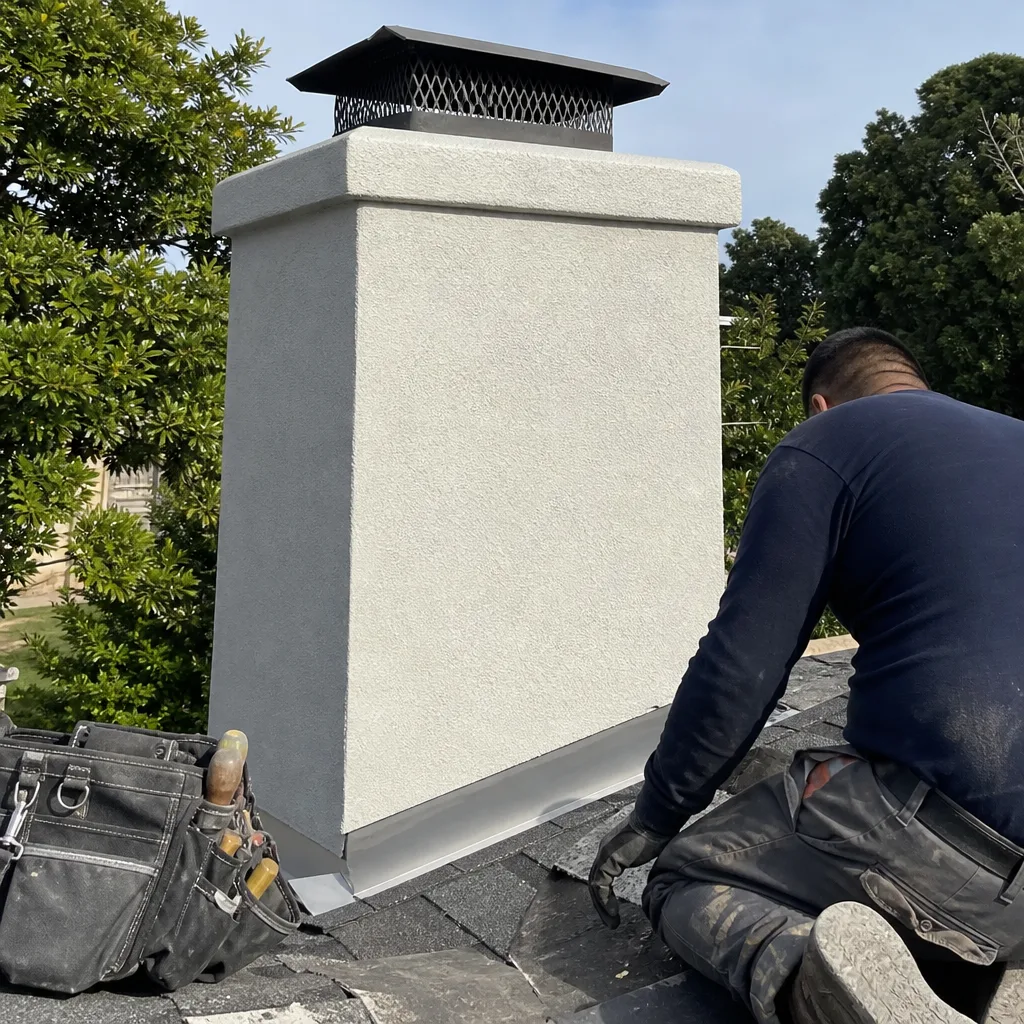
See the difference
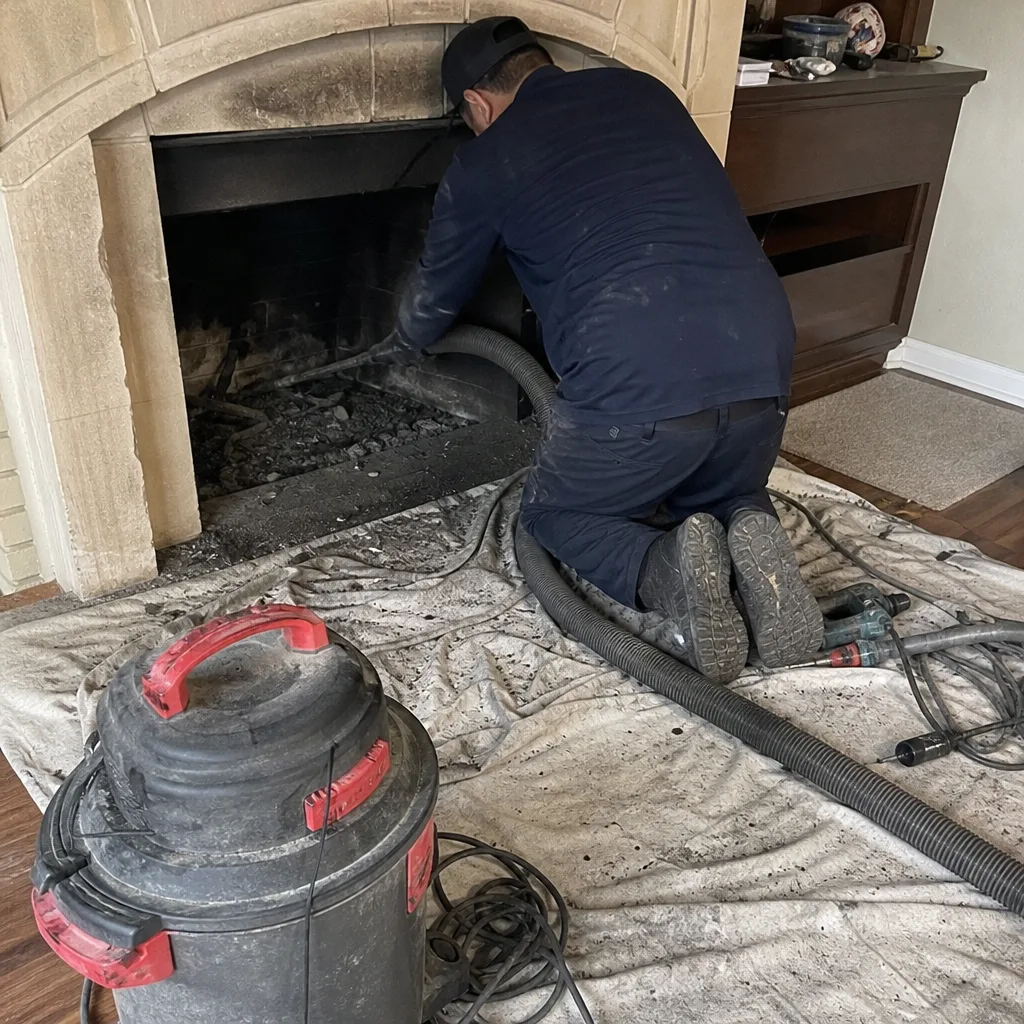 Before
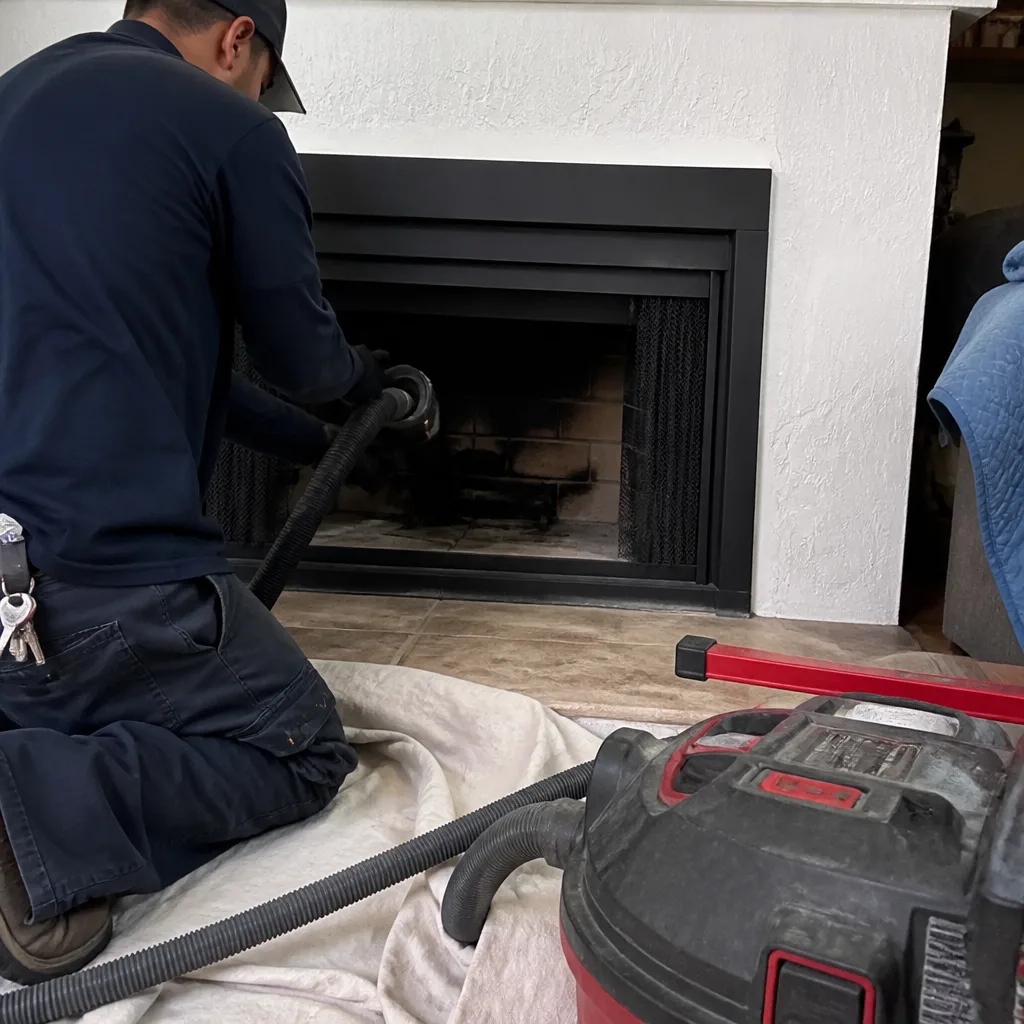 After
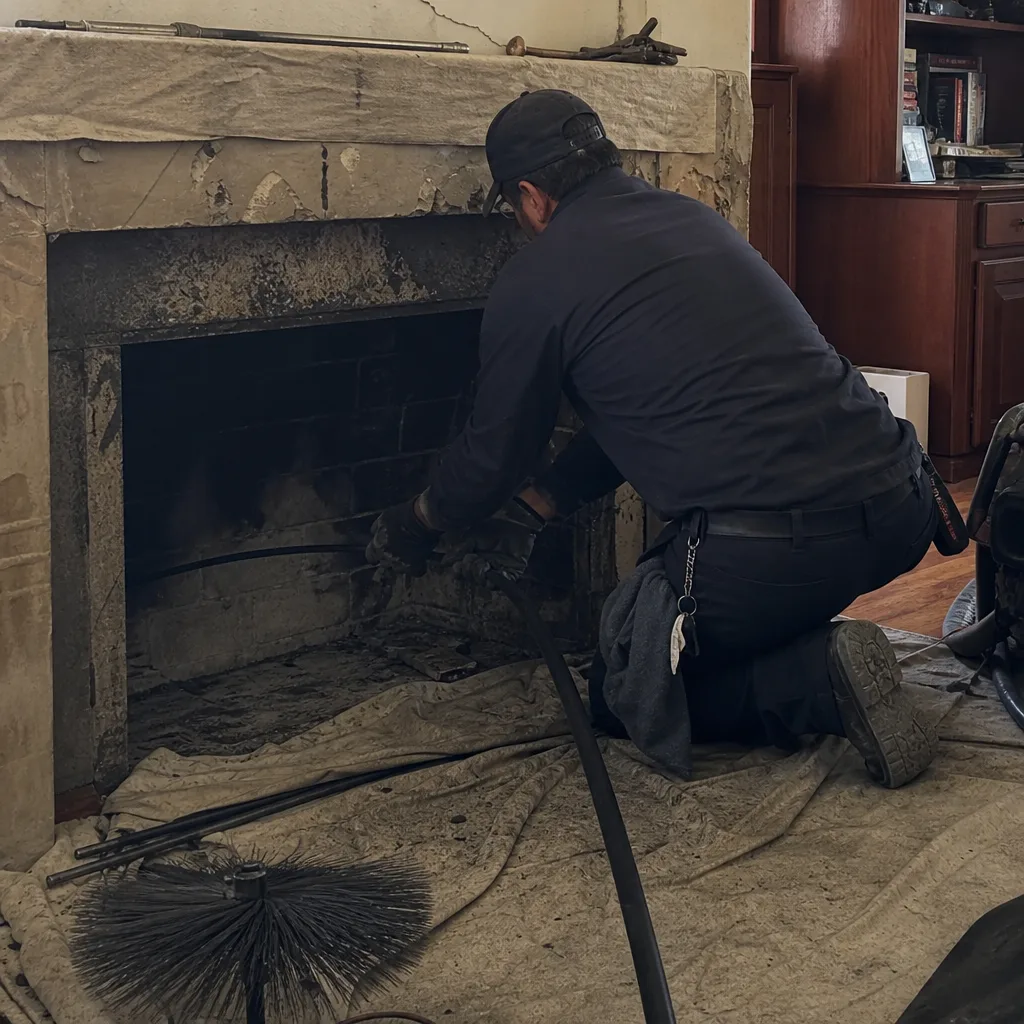 Before
 After
 Before
 After