
Last updated November 2, 2026
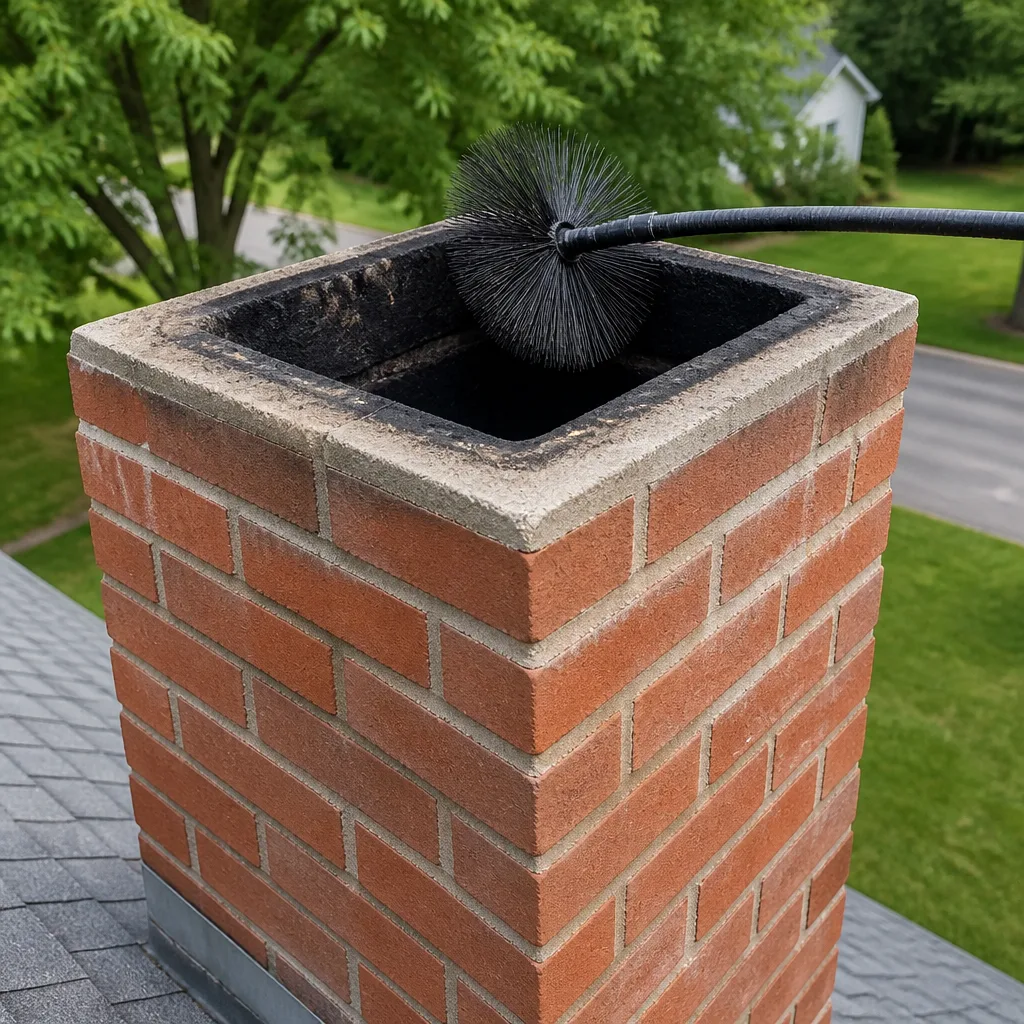 Sweep & inspection
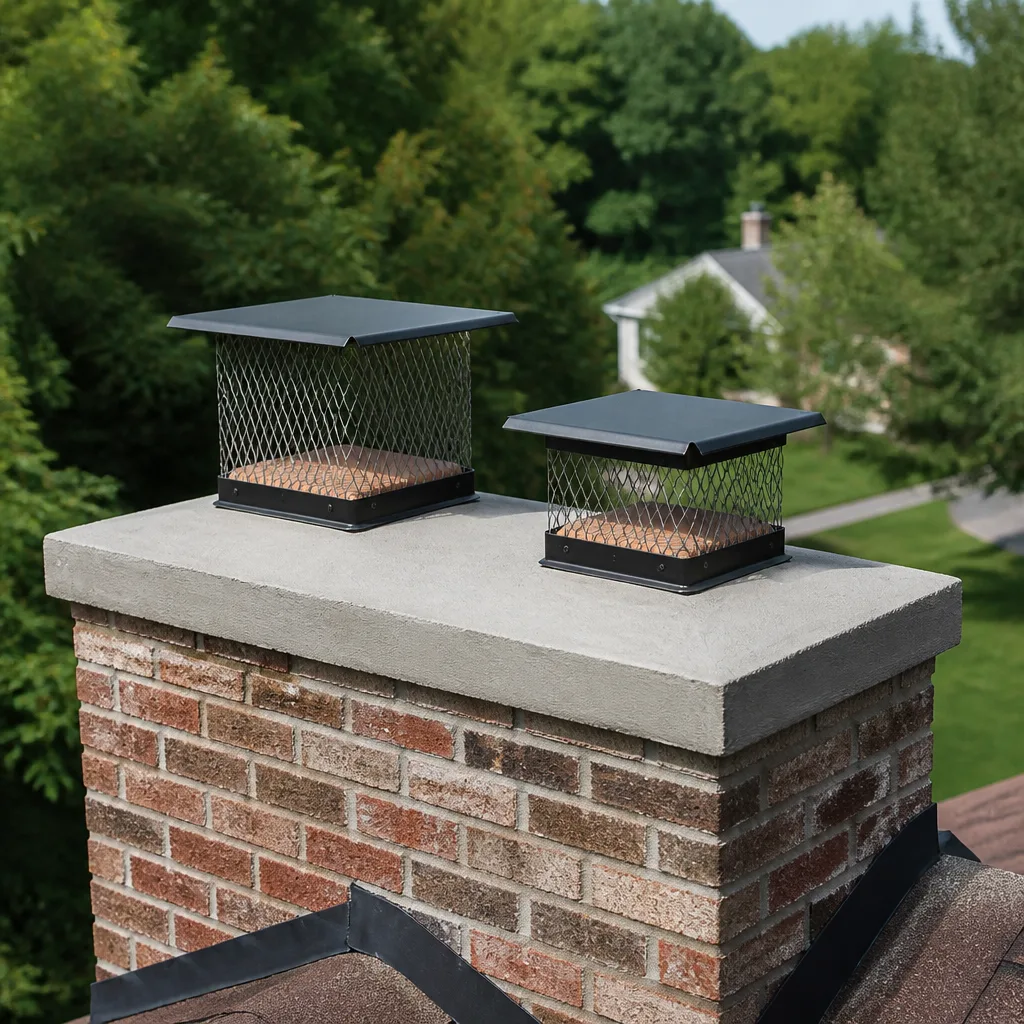 Caps & crowns
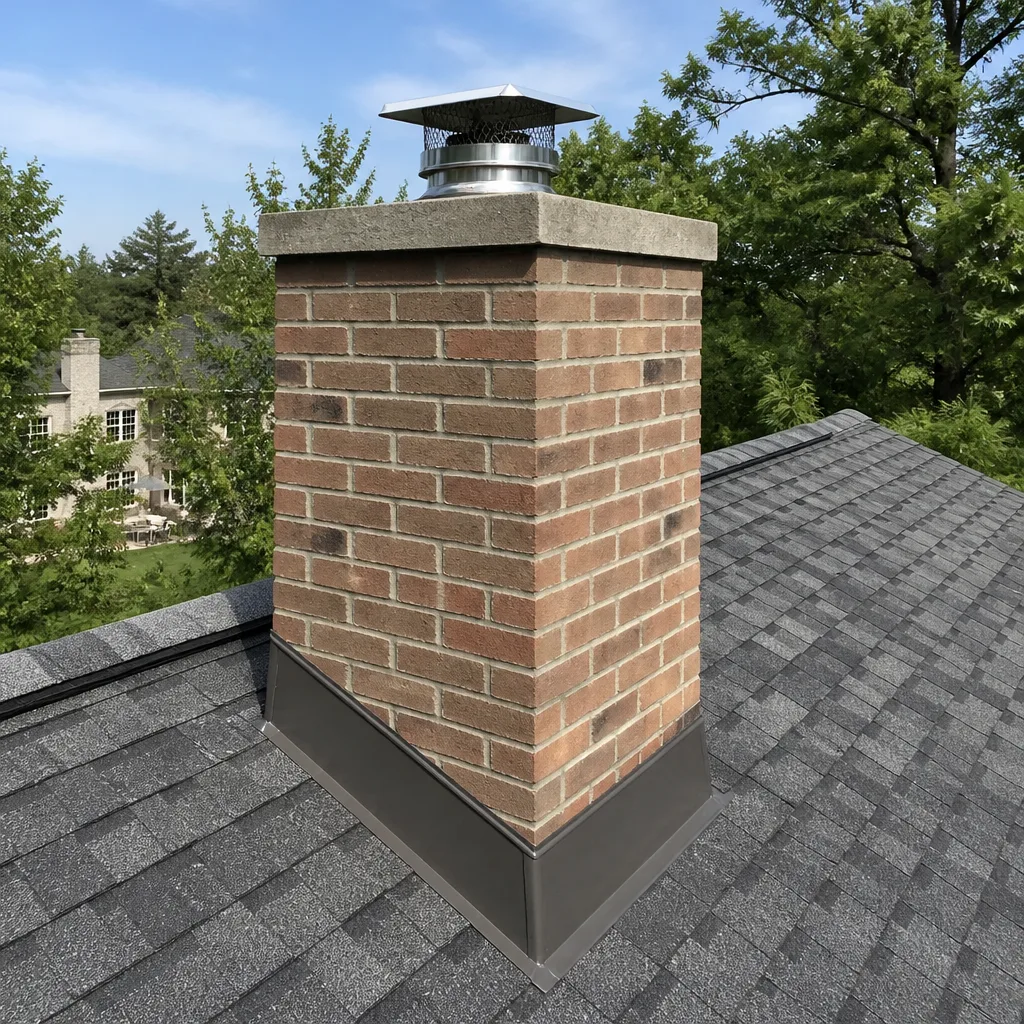 Flue relining
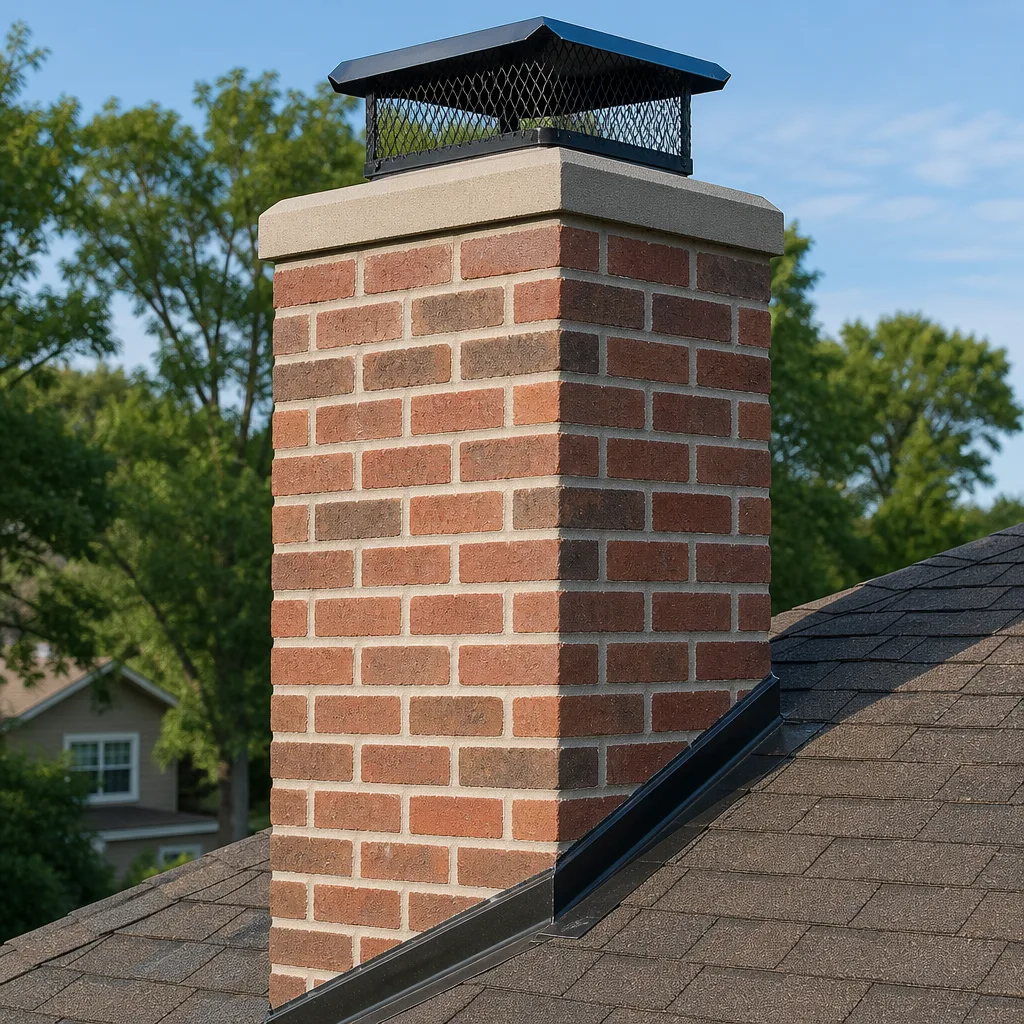 Masonry repair
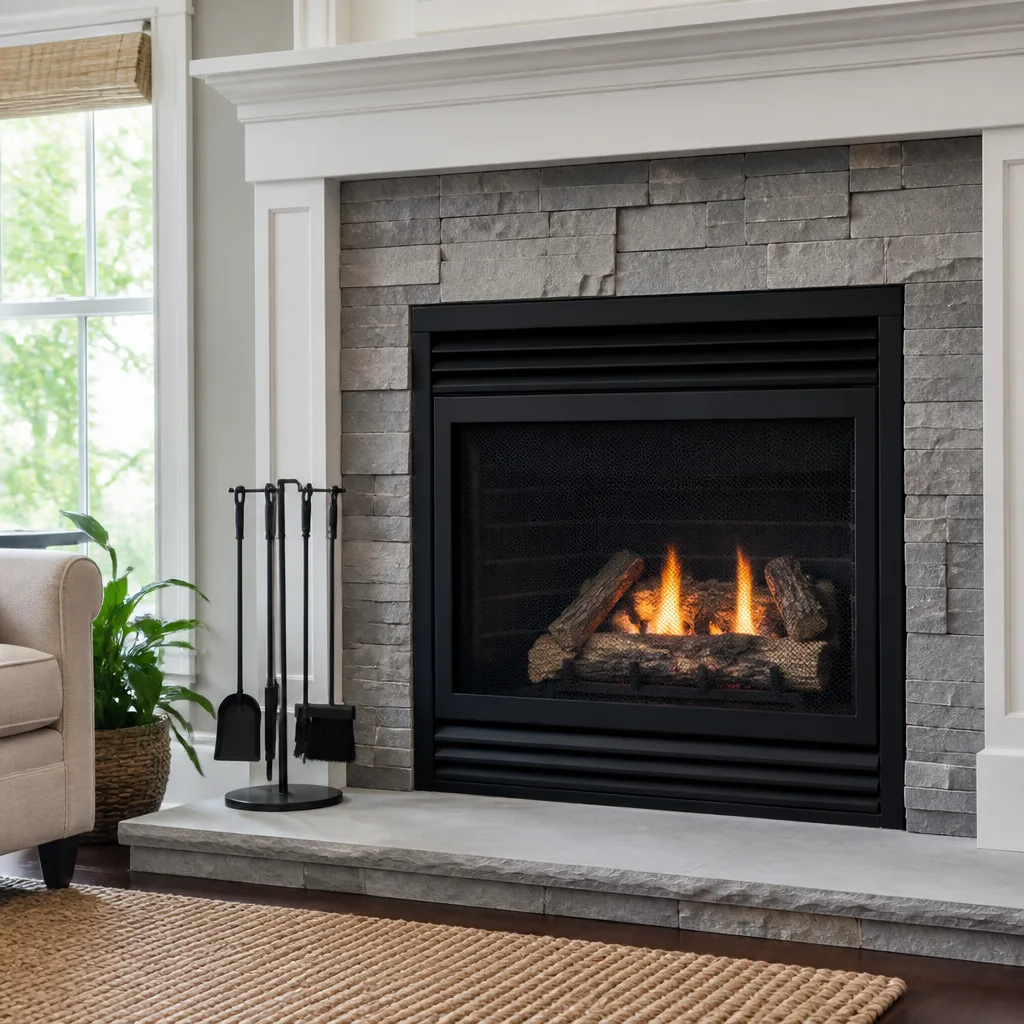 Gas fireplace service
Level 1 sweep and inspection to the NFPA 211 annual standard - flue, crown, cap, and flashing checked and photographed
Chimney sweep logs do not sweep chimneys. They loosen some creosote - which then falls where a brush and vacuum still have to collect it.
DIY vs Professional Chimney Cleaning: The Panorama City Homeowner’s Decision Guide
The brushes sold at hardware stores are sized for standard flue dimensions. If your Panorama City home has a non-standard or offset flue, common in mid-century construction, the wrong brush damages the liner rather than cleaning it. That’s not a scare tactic. It’s geometry. A 6-inch round brush forced into a rectangular clay tile flue, or pushed through a 45-degree offset, scrapes the corners and skips the flat surfaces entirely. This guide walks through what DIY chimney cleaning can actually accomplish, what it consistently misses, and how to tell which camp your specific system falls into. For more guides & resources on chimney care, see our blog.
Styles & brands we work with
- Sweep & inspection
- Caps & crowns
- Flue relining
- Masonry repair
- Gas fireplace service
Quick Answer
DIY chimney cleaning is a reasonable annual maintenance task for a small percentage of Panorama City homes: those with straight, standard-dimension flues, less than 1/8 inch of soot buildup, and no existing liner compromise. For most homes in this area with aging masonry chimneys, prefab units past their warranty period, or any visible creosote glaze, a professional sweep with documented results is the safer financial and fire-safety decision.
Table of Contents
- What DIY Chimney Cleaning Actually Accomplishes
- What DIY Consistently Misses: The Smoke Chamber and Smoke Shelf
- The System Types Where DIY Becomes Genuinely Higher-Risk
- Equipment Cost Reality: What a One-Time DIY Job Actually Costs
- The Liability Gap: Insurance Claims After a Self-Performed Sweep
- Three Questions That Tell You If Your Panorama City System Is a DIY Candidate
- Why Panorama City Construction and Climate Change the Calculation
- Why Professional-Grade Materials Matter Beyond the Sweep Itself
- Common Mistakes to Avoid
- When to Call a Professional
- Frequently Asked Questions
- The Bottom Line
What DIY Chimney Cleaning Actually Accomplishes
A homeowner with a standard round brush, fiberglass rods, and a shop vacuum can remove loose soot from the visible portion of a straight flue. That’s the honest scope. Soot is the soft, powdery black material that forms from incomplete wood combustion. It brushes away with modest effort. If your fireplace produces a thin dusting of soot each season and your flue runs straight up through the roof with no bends, DIY can handle the bulk of that removal.
But the word “bulk” matters. What DIY accomplishes is a surface-level cleaning of the flue walls. It does not address:
- Creosote classification or removal. Creosote is not soot. It’s a hard, tar-like or glazed deposit that forms when wood smoke condenses on cooler flue walls. A wire brush removes stage-one creosote (flaky soot). It does not remove stage-two (thick, shiny flakes) or stage-three (hard glaze) without chemical treatment and specialized rotary tools.
- Accessible liner damage assessment. A brush tells you nothing about what’s underneath the deposit. Hairline cracks in clay tile liners, spalling brick, or deteriorated mortar joints remain invisible until deposits are removed and a camera inspection is performed.
- Smoke chamber and smoke shelf cleaning. These areas sit above the firebox but below the flue. Most hardware-store brush kits cannot reach them effectively, and they’re precisely where creosote and debris accumulate in Panorama City’s post-war masonry fireplaces.
In our experience, homeowners who DIY their own chimney cleaning once often describe the result as “clean enough.” The flue walls look better. The firebox looks better. But the deposits that matter most to fire safety are the ones they couldn’t see or reach.
What DIY Consistently Misses: The Smoke Chamber and Smoke Shelf
The smoke chamber is the sloping transition area between the firebox and the flue. The smoke shelf is the flat ledge at the bottom of that chamber, just behind the damper. Both collect debris by design. When smoke rises and cools before entering the flue, it deposits creosote on these surfaces. Over multiple burning seasons, the accumulation can be substantial.
Panorama City’s housing stock includes thousands of homes built between 1948 and 1965 with masonry fireplaces constructed from the same basic design: a corbeled smoke chamber with a rectangular clay tile flue. Those chambers were built with ridged, stepped walls that create dozens of small ledges. Creosote sits on every one.
A homeowner on the roof lowering a round brush down the flue never touches the smoke chamber. Even a bottom-up cleaning with flexible rods typically bypasses it. The result: a flue that looks clean from the top and a smoke chamber that still holds several pounds of combustible deposit. That’s not an exaggeration. We regularly remove 2 to 4 pounds of material from smoke chambers in Panorama City homes that have never had a professional sweep.
Professional sweeping involves tools designed for these transitions: contoured brushes, whip systems, and in some cases vacuum extraction from above and below. The Chimney Sweep in Panorama City work we perform includes smoke chamber and smoke shelf cleaning as standard, because leaving those areas untouched is a half-finished job.
The System Types Where DIY Becomes Genuinely Higher-Risk
Not every chimney is a reasonable DIY candidate. The risk calculation changes dramatically based on system type. If you recognize your system in any of the three categories below, the balance tips strongly toward professional service. Our How to Hire a Chimney Cleaning Contractor in Panorama City: A Step-by-Step Guide can help you choose the right professional.
1. Prefab or factory-built units with internal baffles
Many Panorama City homes built after 1980 have prefab fireplaces with insulated metal chimneys. These systems contain internal components baffles, refractory panels, and specific clearances that a wire brush can damage. The wrong brush size can snag on seams. Too much force can displace a baffle. Once a baffle shifts, the fireplace may draft incorrectly and overheat adjacent framing.
This is not user-serviceable equipment in the same way a masonry flue might be. The risk of damaging internal components is real, and replacement parts for older prefab units are often discontinued. If you have a prefab system and don’t know its make, model, and clearance specs, DIY is a gamble.
2. Offset flues and non-standard dimensions
Mid-century masonry construction in Panorama City frequently produced offset flues, where the chimney rises through the roof at a position that doesn’t line up with the firebox. Builders used angled tile sections to correct the alignment. A standard round brush cannot follow those angles. It catches, scrapes, and sometimes cracks the clay tile at the bend.
We saw this exact scenario on a home near the Panorama Mall area. The homeowner attempted a DIY sweep with a hardware-store kit. The brush jammed in a 30-degree offset and broke loose from the rod. Removing the lodged brush required professional extraction. The cracked tile it left behind required a Chimney Repair in Panorama City service call to address before the system could be used safely again.
3. Systems with existing or suspected liner damage
If you already know or suspect your flue liner has cracks, spalling, or moisture intrusion, brushing it is the wrong move. A brush applied to a compromised clay liner can worsen the damage. Deteriorated mortar joints crumble further. Loose tile sections dislodge.
This is where the DIY cost calculation really inverts. A $60 brush kit can create a repair that costs hundreds or thousands of dollars. A camera inspection before any cleaning determines whether the liner is structurally sound enough to brush. That inspection costs far less than the repair it prevents.
Equipment Cost Reality: What a One-Time DIY Job Actually Costs
Let’s put numbers to the DIY proposition. A first-time chimney cleaning requires more than a brush. Here’s what a Panorama City homeowner actually spends on a reasonable first attempt, compared to professional rates detailed in our Chimney Cleaning Cost Breakdown: The Panorama City Homeowner’s Reference for 2026:
| Item | Typical Cost |
|---|---|
| Round chimney brush (single size) | $25 – $45 |
| Fiberglass rod set (enough for a single-story flue) | $40 – $80 |
| Shop vacuum with HEPA filter (if you don’t own one) | $80 – $180 |
| Drop cloths, painter’s tape, plastic sheeting | $15 – $30 |
| Headlamp or work light | $15 – $40 |
| Creosote remover treatment (if stage-two deposits present) | $20 – $40 |
Total realistic first-time cost: $195 to $415. That assumes a straight flue, single story, and no complications. If your roof has a steep pitch or you need a taller ladder than you own, the cost climbs.
Now consider what a professional Chimney Sweep Panorama City home service provides for a comparable figure: all equipment, roof access, the sweep itself, smoke chamber and shelf cleaning, a visual inspection, and in our case, a camera inspection with a photo report. The math shifts quickly when you count the equipment you’ll store and maintain for a once-a-year task.
None of this means DIY never makes sense. If you have a straight clay tile flue, stable masonry, and you’re willing to invest in the setup, you’ll break even after two seasons. The equipment-cost argument is only decisive when the system itself isn’t a DIY candidate.
The Liability Gap: Insurance Claims After a Self-Performed Sweep
Homeowners’ insurance policies generally cover chimney fires as a peril. They also generally require that the homeowner take reasonable maintenance steps. What constitutes “reasonable” matters after a fire.
A professional chimney sweep produces documentation: a dated invoice, a description of the system condition, and often a photo report. That documentation demonstrates to an insurance adjuster that the homeowner took reasonable maintenance steps. If a fire occurs despite a professional sweep, the claim usually proceeds without maintenance-related dispute.
A self-performed cleaning produces no third-party documentation. The homeowner’s word is the only evidence that the chimney was cleaned. Adjusters know this. If a chimney fire follows a self-performed sweep, the homeowner bears the burden of proving the chimney was properly maintained. That burden is difficult to meet without a professional record.
This is a real gap, not a theoretical one. We’ve spoken with Panorama City homeowners who faced exactly this situation. One homeowner near Lanark Park self-swept for three years, had a chimney fire, and spent several months negotiating with an insurer who questioned whether the chimney had been maintained at all. The eventual settlement was lower than the repair costs. The documentation gap was the deciding factor.
Even if you DIY the cleaning, having a professional inspection performed every few years creates a paper trail. That’s a middle-ground approach worth considering.
Three Questions That Tell You If Your Panorama City System Is a DIY Candidate
Here’s a decision framework. Answer these three questions honestly. If all three answers are “yes,” DIY is a legitimate option for your specific system. If any answer is “no” or “I don’t know,” stop and get a professional assessment before touching the system.
- Is the flue straight and standard? You need to know this by measurement, not assumption. A straight flue means you can shine a light from the top and see the damper at the bottom. If there’s any bend, offset, or dimensional change, the flue is not a standard DIY candidate. If you can’t verify this, the correct answer is “I don’t know.”
- Is the liner intact and serviceable? Intact means no visible cracks, no spalling, no crumbling mortar joints, no water stains on the firebox walls. Serviceable means the liner is built from material that tolerates wire brushing. If you’ve never had a camera inspection and can’t see the full length of the flue, the correct answer is “I don’t know.” Brushing a liner of unknown condition is the single most avoidable DIY mistake.
- Is the system under warranty? If your prefab fireplace or insert is still under the manufacturer’s warranty, read the warranty language carefully. Many manufacturers require professional cleaning by a certified sweep to keep the warranty valid. A self-performed cleaning can void it. If you’re not certain about your warranty terms, the correct answer is “I don’t know.”
If you answered “yes” to all three, you have a system that a mechanically adept homeowner can maintain. If you answered “I don’t know” to any of them, the next step is a professional inspection, not a brush purchase.
Why Panorama City Construction and Climate Change the Calculation
Panorama City’s housing stock has specific characteristics that influence the DIY calculation. This isn’t a generic suburban market with uniform construction.
The original tract homes built from the late 1940s through the 1960s used masonry chimneys with clay tile liners. Many of those liners are now 60 to 75 years old. Clay tile degrades over time, especially when the chimney cap is missing or damaged and rainwater enters the flue. Panorama City’s winter rainfall, while modest compared to coastal areas, is enough to accelerate spalling in older masonry. A liner that was fine a decade ago may not be fine now. See our Seasonal Chimney Cleaning Care for Panorama City: Year-Round Homeowner’s Guide for maintenance timing.
The area’s dry summer heat also matters. Masonry expands in heat and contracts in cool air. Over decades, that thermal cycling loosens mortar joints. Loose mortar means gaps between tile sections. Gaps mean creosote can accumulate behind the liner, where no brush can reach and where it poses the highest fire risk.
For homeowners with these original chimneys, the question isn’t really “DIY or professional.” It’s “when was the last time anyone actually looked at the liner?” If the answer is never, the system is past due for professional assessment regardless of how confident you feel with a brush.
Why Professional-Grade Materials Matter Beyond the Sweep Itself
A chimney sweep is an annual maintenance task. But a chimney is an integrated system. The components that protect it matter as much as the cleaning itself. This is where professional service diverges from the DIY gear shelf.
When we specify repair or restoration work on a Panorama City chimney, we source materials from the suppliers professionals trust: HeatShield for liner resurfacing, Gelco and Famco for caps and covers, Olympia Chimney for structural components. These are trade-supply brands, not hardware-store substitutes.
Why does that matter to a homeowner deciding between DIY and professional service? Because if the professional sweep finds a problem, the solution should match the system, not be adapted from a generic part. A Gelco cap sized for a specific flue dimension seals out rain correctly. A universal cap from a big-box store may leave gaps. A HeatShield resurfacing treatment can restore the interior of a deteriorating liner without full replacement, a restoration-before-replacement option that extends chimney life at a fraction of full relining cost.
None of this is available to a DIY homeowner. The hardware store carries generic components. Generic works fine for a straight, healthy, modern flue. For an aging Panorama City masonry chimney, the specificity of professional materials is the difference between a repair that lasts and one that fails early.
Common Mistakes to Avoid
- Using the wrong brush size. A 6-inch brush doesn’t clean an 8×13 clay tile flue. It polishes one rounded strip and leaves the corners untouched. Corner creosote accumulation is a leading cause of chimney fires in older Panorama City homes.
- Skipping the smoke chamber. You can brush a flue and leave a chimney fire hazard sitting on the smoke shelf behind the damper. The smoke chamber holds deposits that the flue brush never touches.
- Brushing a compromised liner. If you don’t know your liner’s condition, you don’t know whether brushing it will worsen existing damage. A camera inspection costs less than the repair a careless brush can create.
- Voiding a manufacturer warranty. Prefab fireplace warranties frequently require professional service. Read the fine print before you brush a factory-built system under warranty.
- Assuming visible cleanliness equals fire safety. A flue that looks clean from the top down may have stage-two creosote hidden in offsets, seams, and the smoke chamber. Visibility is not verification.
- Cleaning from the roof without a roof anchor or proper ladder setup. Roof falls during chimney work are a real injury category. If you’re not equipped and practiced at roof work, the safety risk alone justifies a professional visit.
When to Call a Professional
Call a professional if your chimney hasn’t been inspected in more than three years. Call if you see water staining on the ceiling around the chimney, crumbling mortar on the exterior stack, or smoke entering the room during normal use. Call if you have a prefab system under warranty, an offset flue you can’t visually verify, or any reason to suspect liner damage. Call if you’d rather spend your Saturday doing something other than purchasing and storing $300 of single-purpose equipment. Chimney Sweep Panorama City offers free estimates in Panorama City – call (866) 632-1828 for an honest assessment of your specific system. A professional sweep includes documentation that serves your insurance record and a camera inspection that tells you exactly what you’re working with.
Frequently Asked Questions
A standard chimney sweep in Panorama City typically runs $150 to $300 depending on flue height, system condition, and whether the smoke chamber requires extra attention. This includes roof access, full flue brushing, smoke chamber and shelf cleaning, and in many cases a camera inspection. Call (866) 632-1828 for an exact quote – estimates are free.
Drill-attached rotary brushes are marketed for DIY use but were designed for professional applications. Without knowing your flue diameter, liner material, and condition, a rotary brush can score clay tile, dislodge mortar, and damage prefab seams. The risk profile is higher than a manual brush because the rotational force amplifies any mismatch between brush and flue.
The National Fire Protection Association recommends annual inspection and cleaning as needed. For Panorama City homeowners who burn wood regularly during the cooler months, a sweep every 1 to 2 years is appropriate. Homes that burn green or unseasoned wood may need service more frequently due to accelerated creosote buildup.
Creosote accumulates in layers. Stage-one creosote is flaky and manageable. Stage-two is thick and harder to remove. Stage-three is a hard glaze that requires chemical treatment and rotary removal. Left unattended, accumulated creosote is a combustible material sitting in your flue. A stray ember or flue fire can ignite it. The risk scales with every season skipped. Call (866) 632-1828 to get your system assessed before the next burning season.
It doesn’t void the policy, but it creates a documentation gap. If a chimney fire occurs after self-performed cleaning, you may struggle to demonstrate to an adjuster that the system was properly maintained. A professional sweep provides dated documentation that satisfies reasonable-maintenance standards in most claims.
Gas logs produce no creosote, but they still produce water vapor and acid residues that degrade clay tile and masonry over time. Annual inspection remains the standard recommendation for gas systems. Cleaning frequency is lower, but the system should still be checked for moisture intrusion, cap integrity, and proper venting. The Dryer Vent Cleaning in Panorama City service we provide addresses a different venting safety issue many homeowners overlook alongside chimney maintenance.
The Bottom Line
DIY chimney cleaning is a legitimate option for a specific subset of Panorama City homeowners: those with straight, standard-dimension flues, confirmed-intact liners, and a willingness to invest in proper equipment. For everyone else, the risk calculation points the other way. Aging clay tile, mid-century offset construction, and prefab systems past warranty are not forgiving DIY projects. The brushes sold at hardware stores cannot see liner cracks, cannot reach the smoke chamber, and cannot produce the paperwork your insurance company wants after a fire. A professional sweep is a flat-price service that includes the equipment, the access, the cleaning, the inspection, and the documentation. Call (866) 632-1828 for a free estimate in Panorama City and get a straight answer about whether your specific system is safe to maintain yourself.
Written by the team at Chimney Sweep Panorama City, serving Panorama City since 2011.
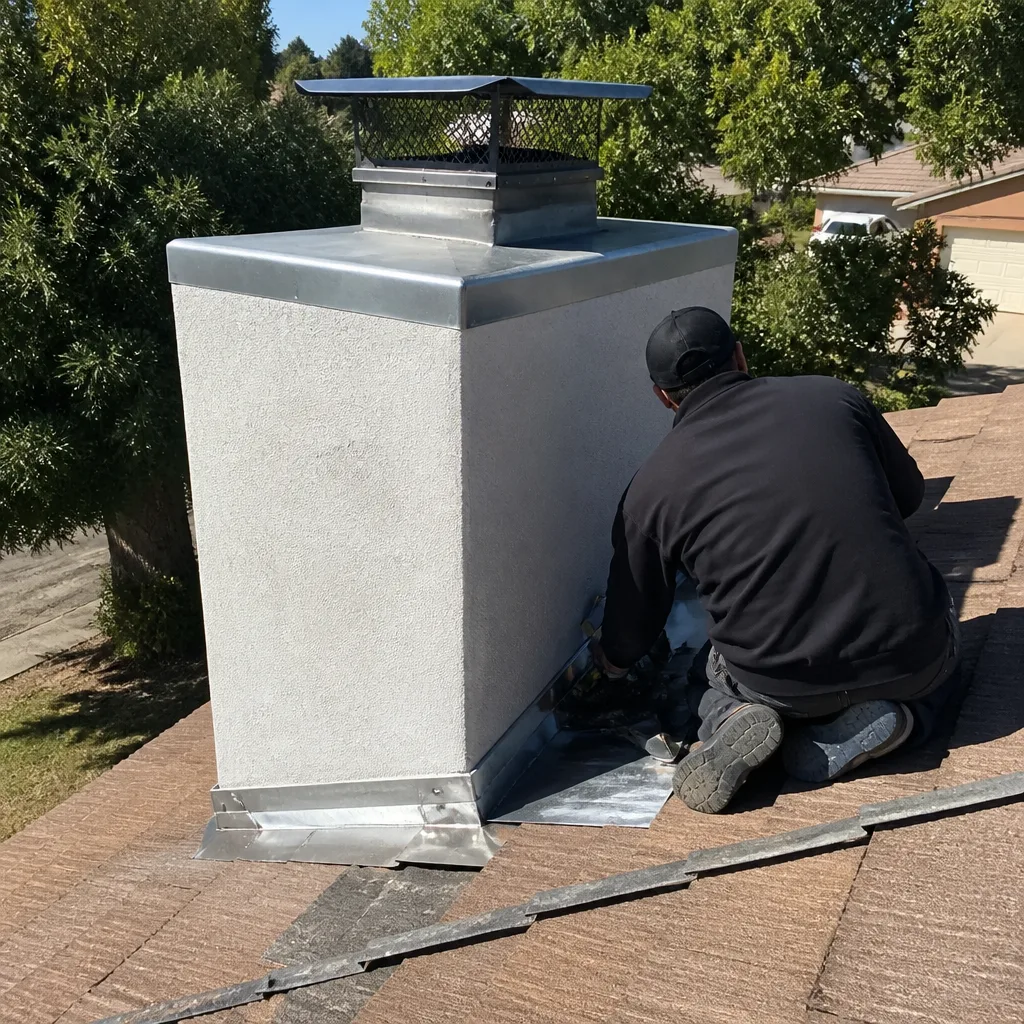
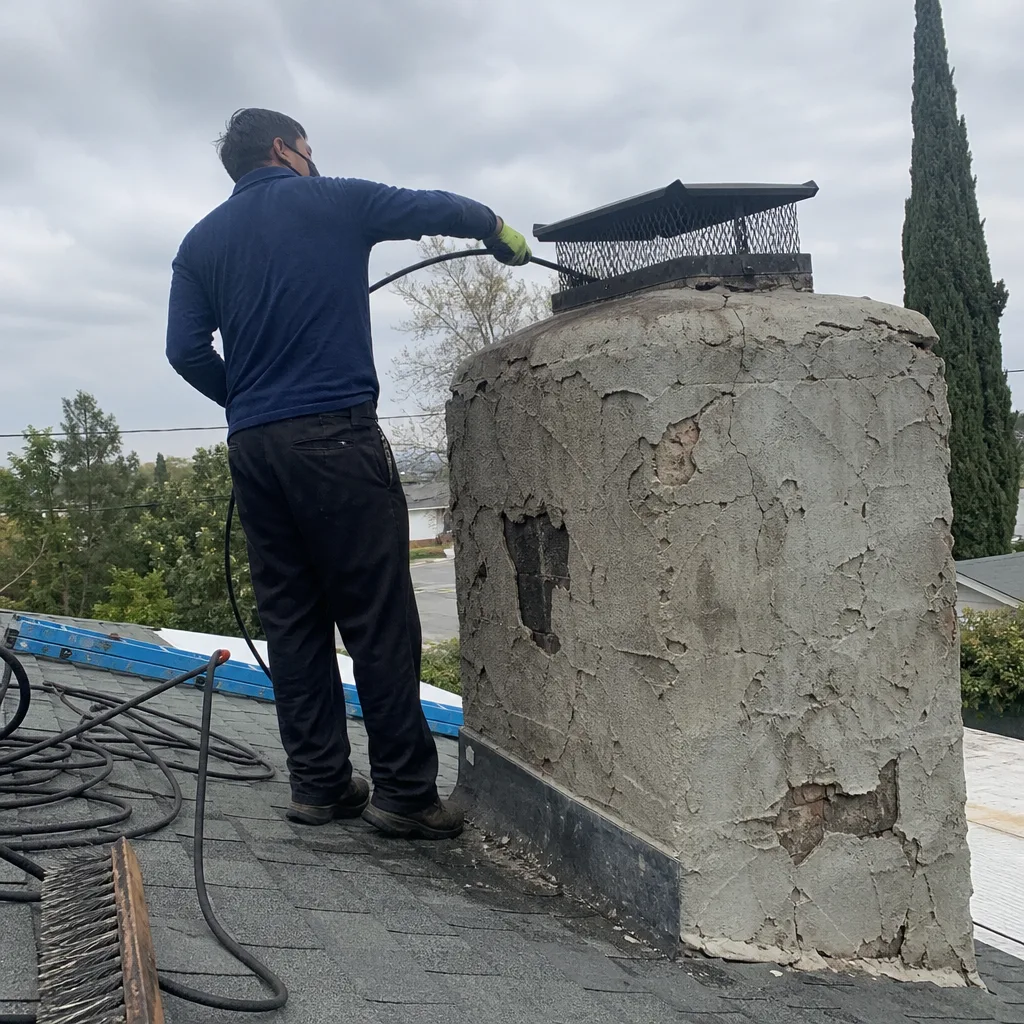
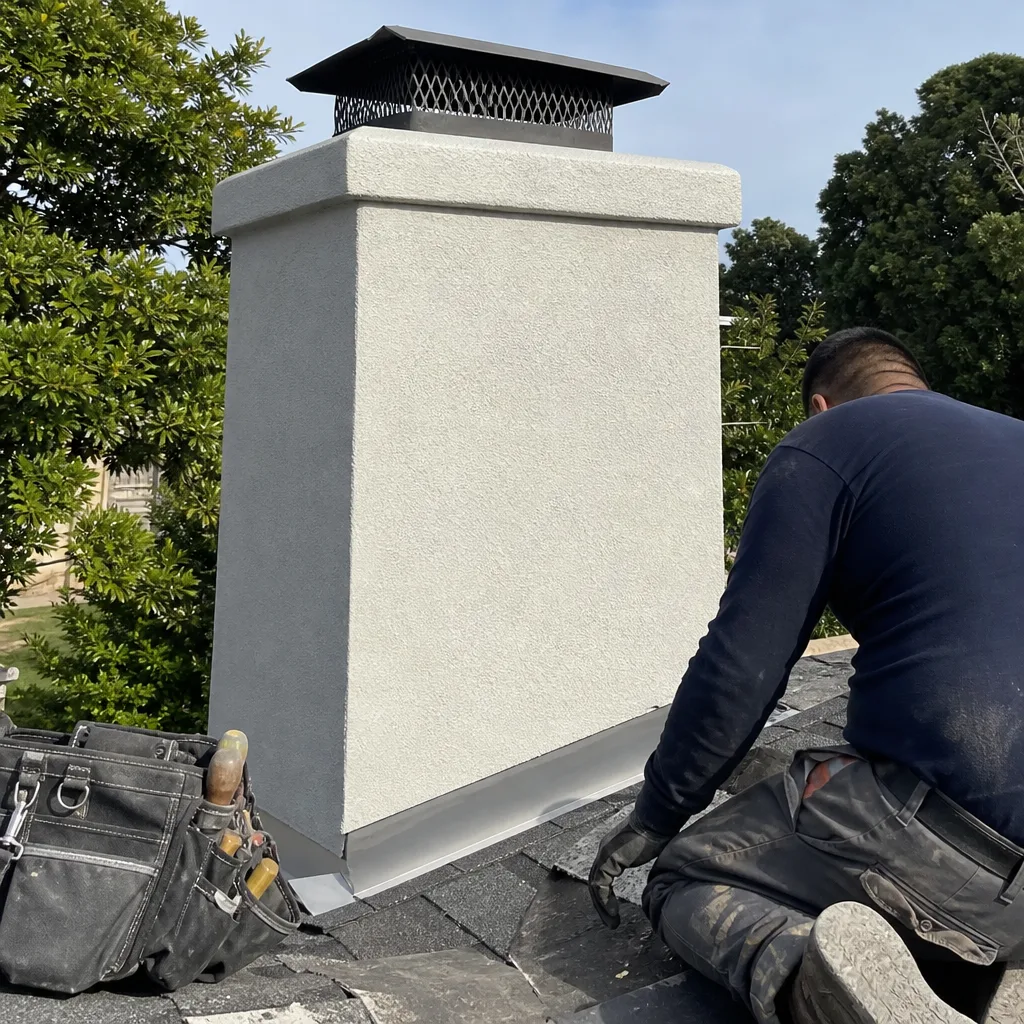
See the difference
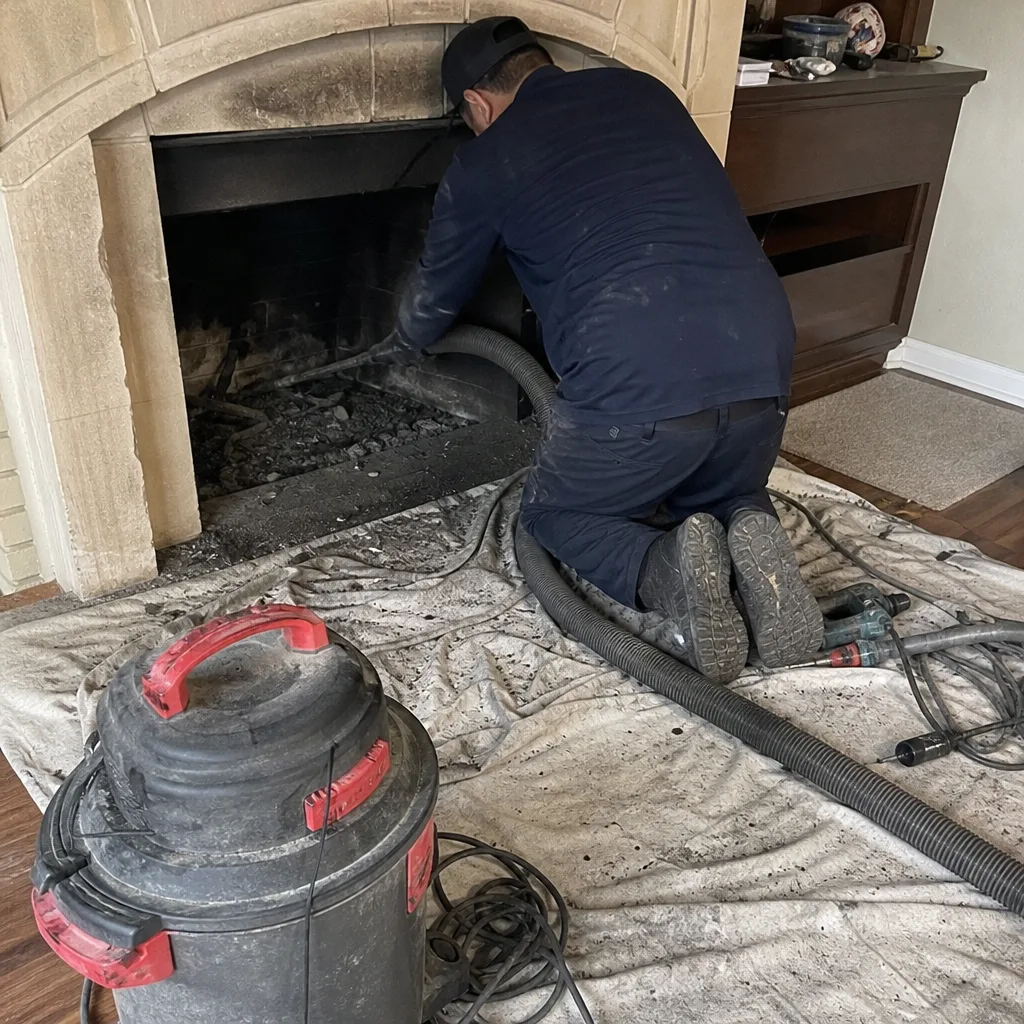 Before
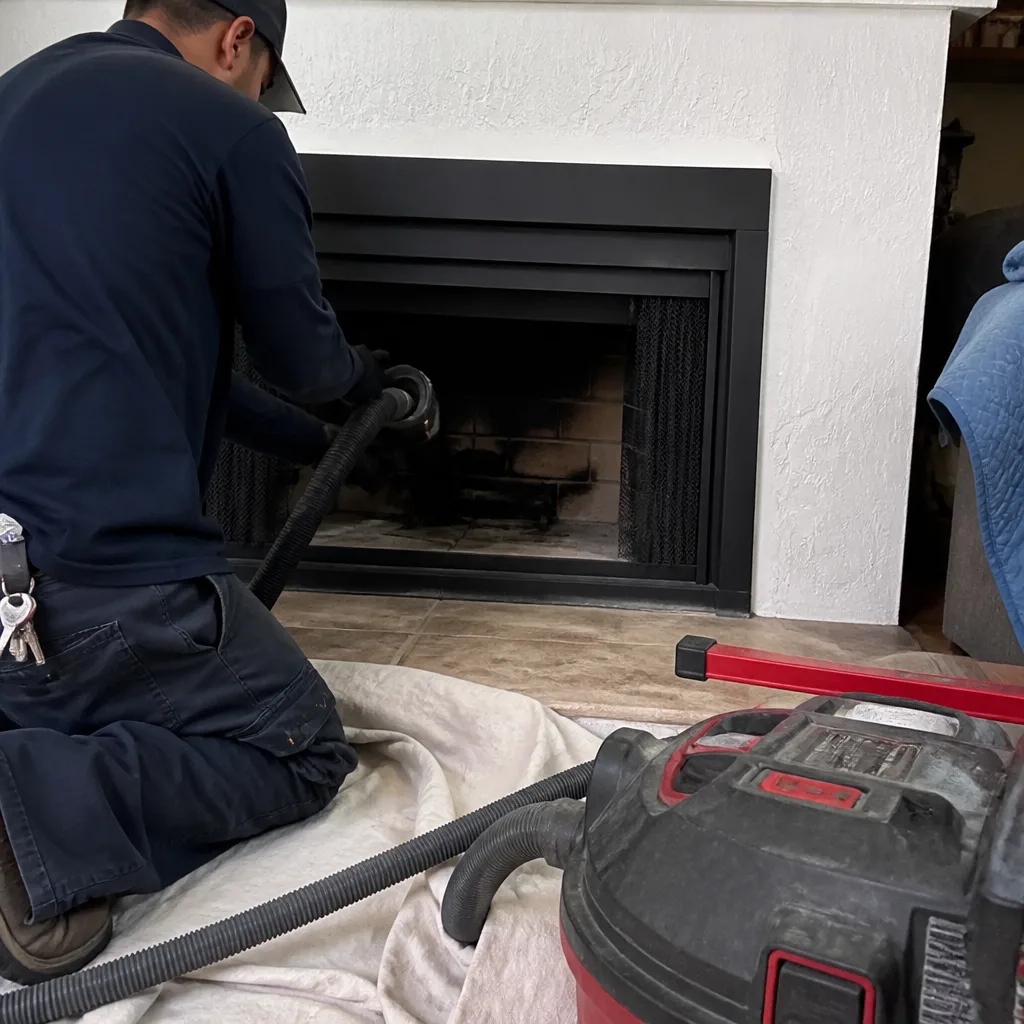 After
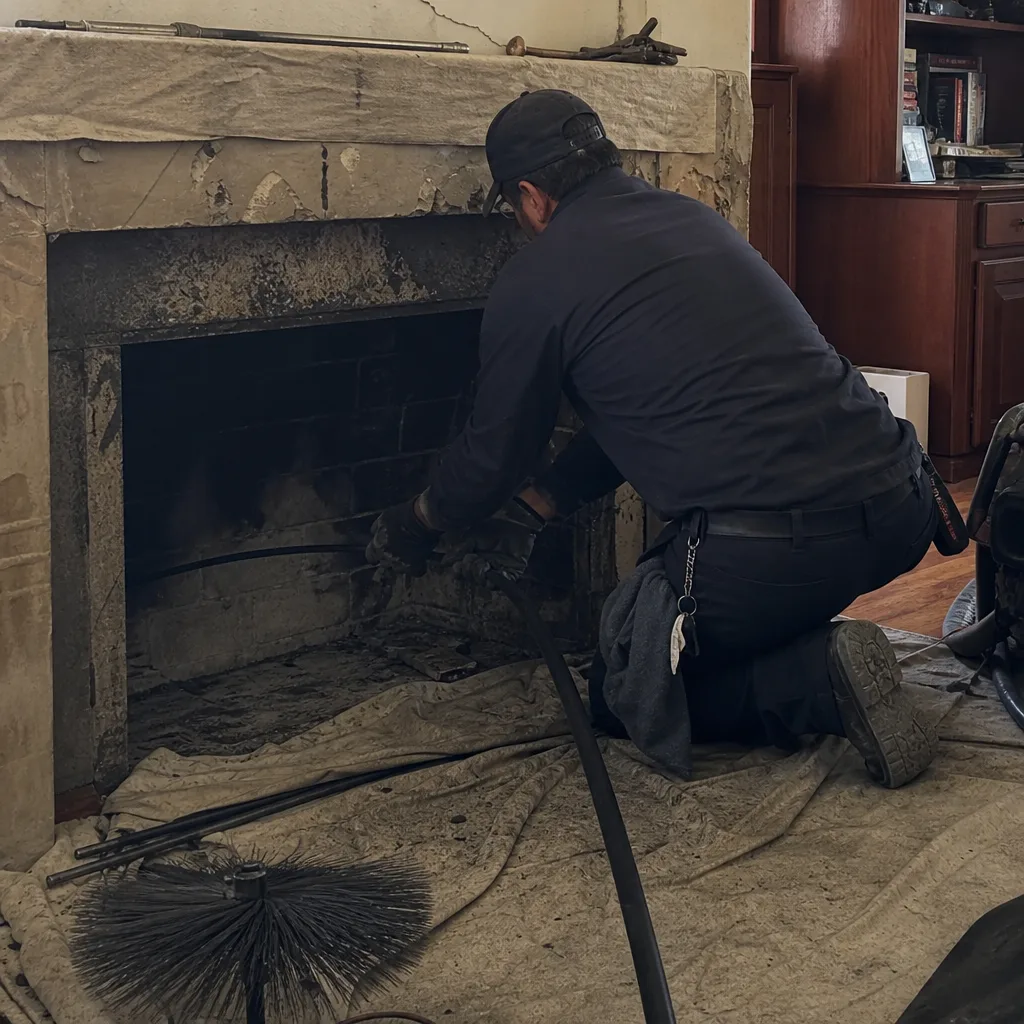 Before
 After
 Before
 After