
Last updated November 2, 2026
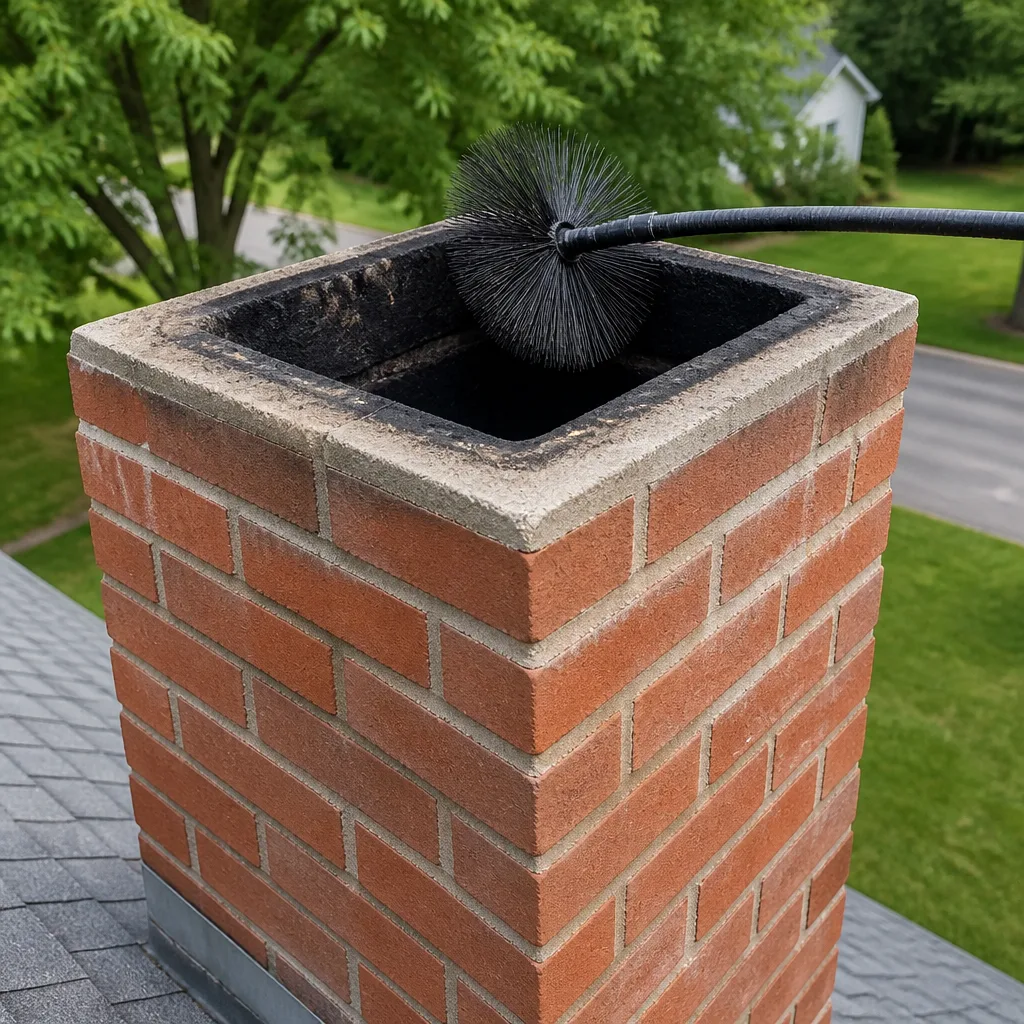 Sweep & inspection
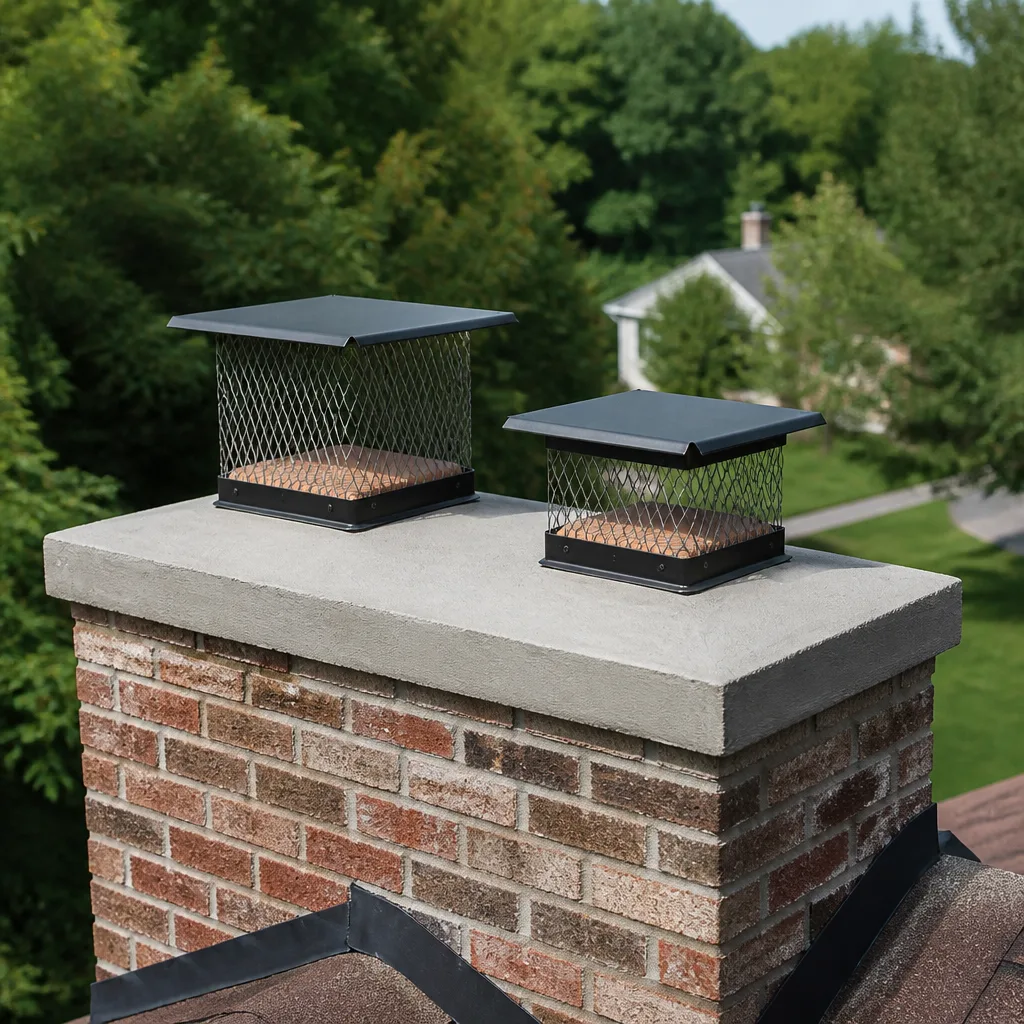 Caps & crowns
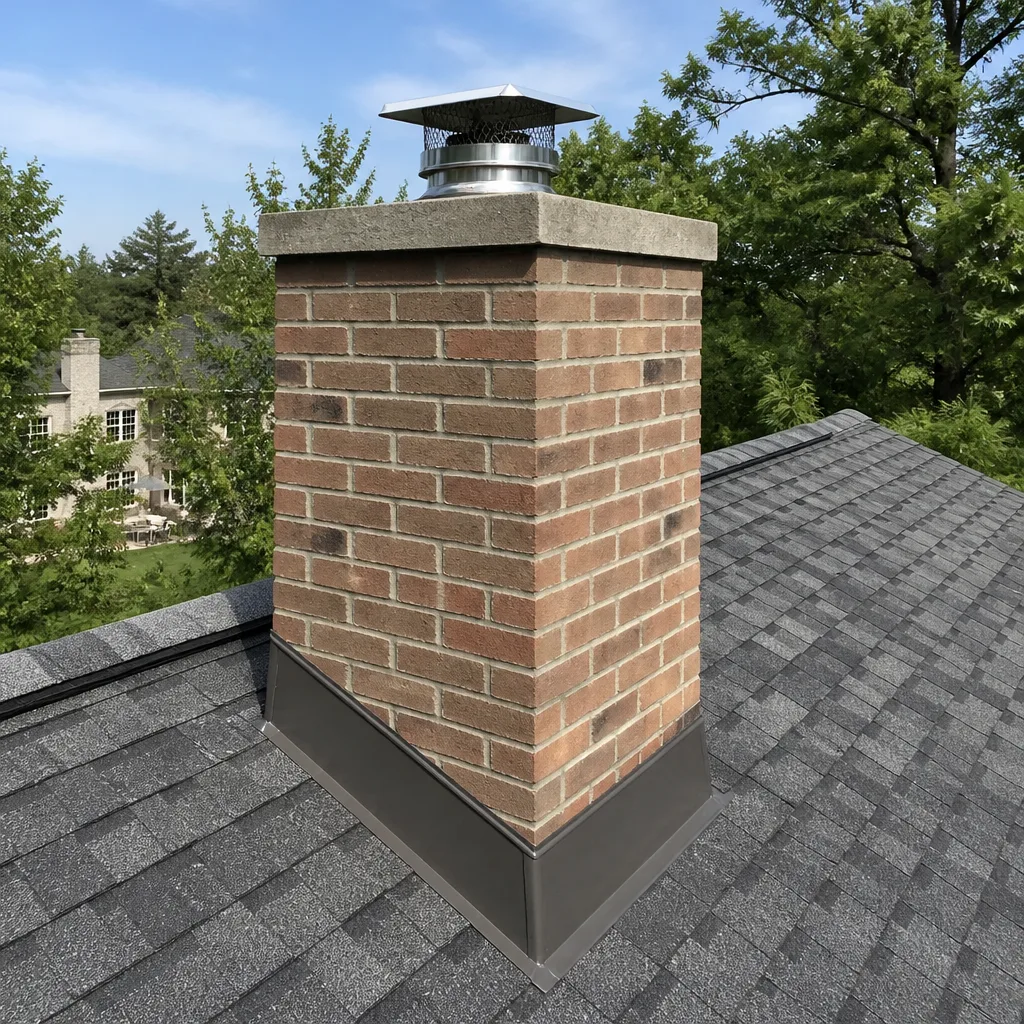 Flue relining
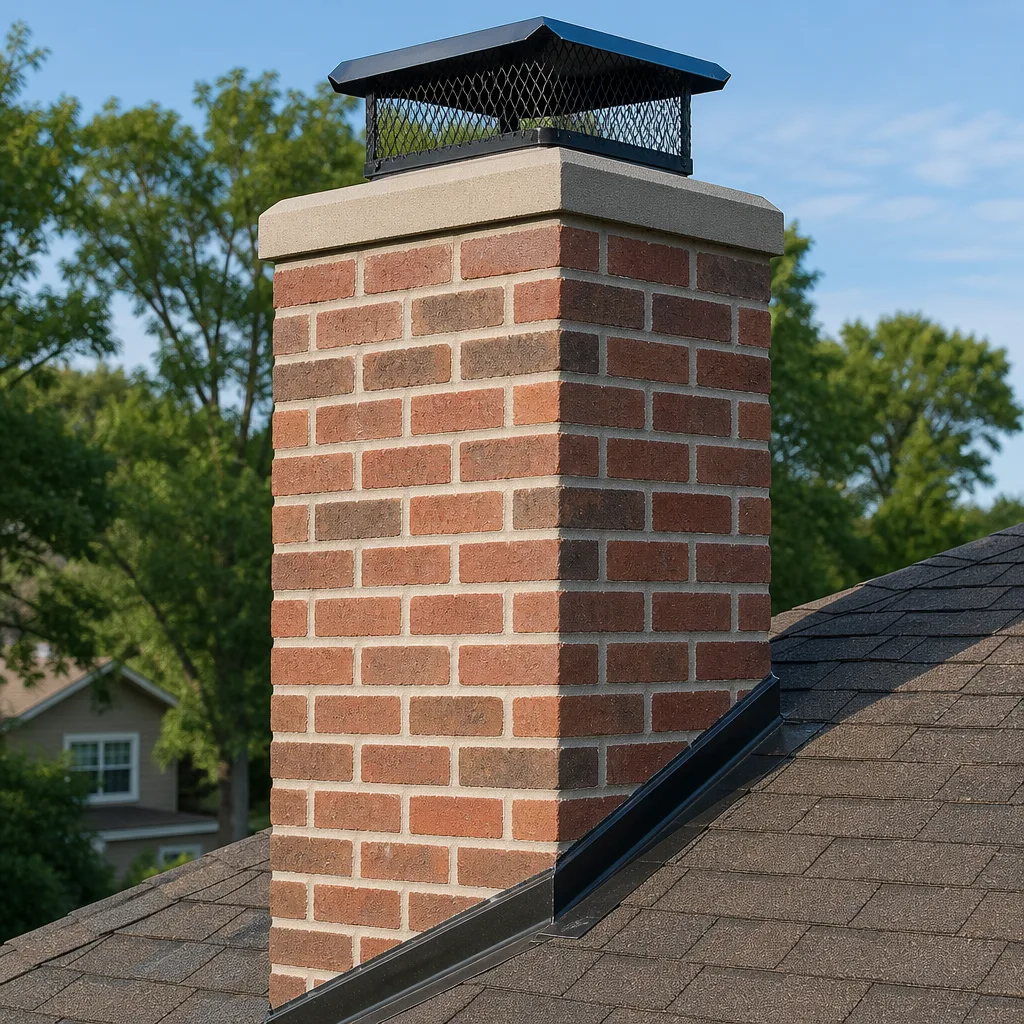 Masonry repair
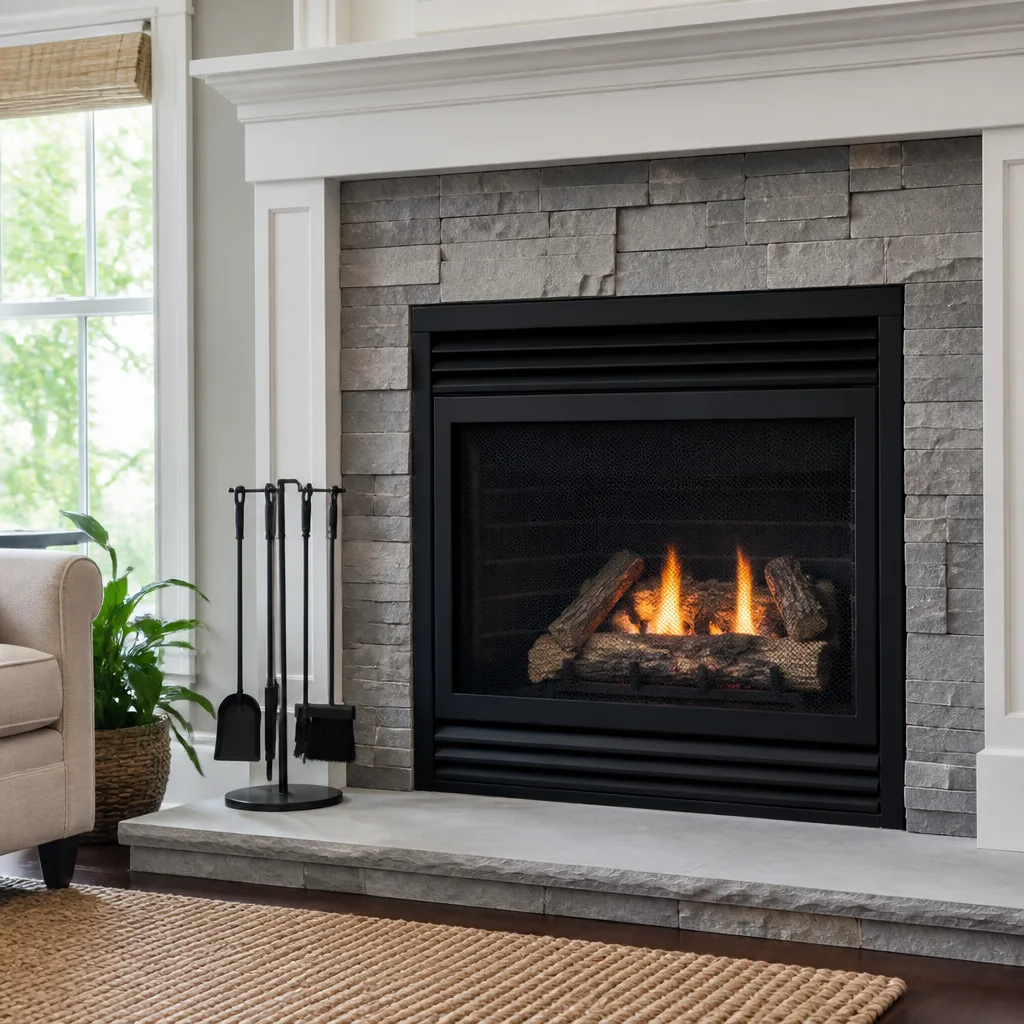 Gas fireplace service
Level 1 sweep and inspection to the NFPA 211 annual standard - flue, crown, cap, and flashing checked and photographed
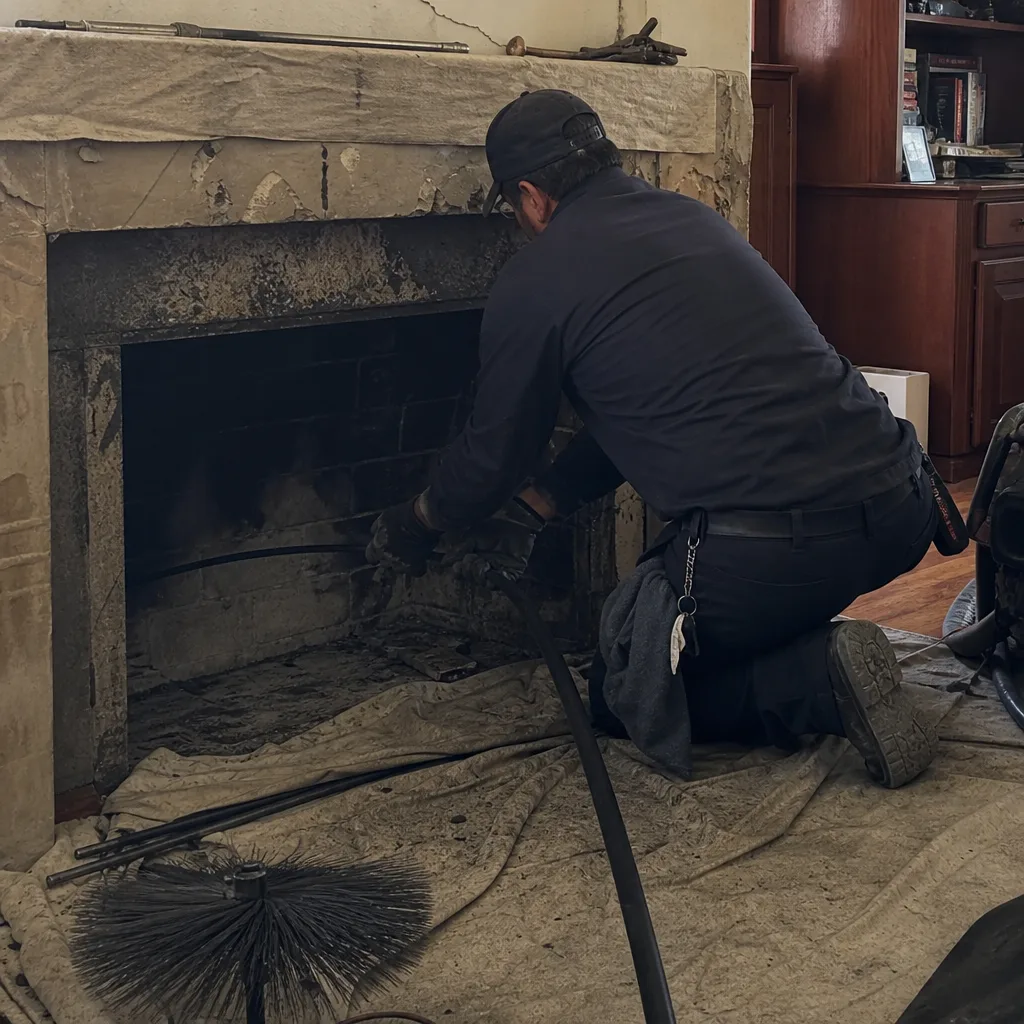
Chimney sweep logs do not sweep chimneys. They loosen some creosote - which then falls where a brush and vacuum still have to collect it.
How to Hire a Chimney Cleaning Contractor in Panorama City: A Step-by-Step Guide
There is no California state license specifically for chimney sweeps. Anyone with a business card, a pickup truck, and a set of brushes can show up at your door in Panorama City and call themselves a chimney professional. The state does not test them, does not inspect their work, and does not verify they know the difference between a hairline crack in a flue liner and normal creosote staining. That means the entire burden of vetting falls on you, the homeowner, before the appointment is ever booked. This guide gives you the exact questions to ask, the red flags to filter out, and the specific materials and certifications that separate a working trade professional from a generalist who treats chimney work as an afterthought. You will leave with a checklist you can use on any phone call with any contractor serving Panorama City and the surrounding San Fernando Valley.
Styles & brands we work with
- Sweep & inspection
- Caps & crowns
- Flue relining
- Masonry repair
- Gas fireplace service
Quick Answer
To hire a chimney cleaning contractor in Panorama City, verify at least one recognized certification (CSIA or NFI), confirm they carry their own camera inspection equipment, ask what material brands they stock for repairs, and require a written scope of work before any job starts. For a detailed look at what you should expect to pay, see our Chimney Cleaning Cost Breakdown: The Panorama City Homeowner’s Reference for 2026. Skip any contractor who quotes a flat fee over the phone without seeing the chimney, refuses to show proof of certification, or cannot name the suppliers they source repair components from. A legitimate sweep in Panorama City should be able to answer all of these questions in under five minutes on a phone call.
Table of Contents
- Which Certifications Actually Matter (and Which Are Window Dressing)
- Five Questions to Ask Before You Schedule Anything
- Red Flags That Signal a Generalist, Not a Specialist
- How to Read a Chimney Sweep Quote in Panorama City
- What a Legitimate Scope of Work Looks Like
- Why Camera Inspection Equipment Separates Pros from Pretenders
- Panorama City-Specific Factors That Affect Chimney Work
- Common Mistakes to Avoid
- When to Call a Professional
- Frequently Asked Questions
- The Bottom Line
Which Certifications Actually Matter (and Which Are Window Dressing)
Not all chimney credentials carry the same weight. Some are earned through hands-on testing and continuing education. Others are printed from a PDF after a two-hour online course. Knowing the difference before you pick up the phone in Panorama City saves you from hiring someone whose certificate only proves they had a credit card.
The two certifications that hold real weight in residential chimney work are the CSIA Certified Chimney Sweep credential from the Chimney Safety Institute of America, and NFI certification from the National Fireplace Institute. Here is what each one actually tells you.
CSIA certification means the technician passed a proctored exam covering chimney science, fire codes, clearances, and inspection procedures. It also requires continuing education to maintain. A CSIA-certified sweep has demonstrated they understand how creosote forms, how flue gases behave, and how to spot structural problems during a routine sweep. This is the baseline credential for anyone performing sweeping and inspection work. It does not, however, certify someone to perform masonry repairs or liner installation. Those are separate disciplines.
NFI certification comes in three specialties: NFI Woodburning Specialist, NFI Gas Specialist, and NFI Pellet Specialist. These credentials focus on the appliance side, meaning the technician understands venting requirements, clearances to combustibles, and installation standards for the specific fuel type. A technician with NFI Woodburning certification knows what happens inside the firebox and flue when you burn oak versus pine. A technician with NFI Gas certification understands draft requirements for gas logs and inserts. If your Panorama City home has a gas fireplace or gas insert, you want someone with the gas credential, because gas appliances vent differently than wood-burning ones and present a different set of risks, including carbon monoxide issues.
What does not matter: a generic “certified” badge on a website with no issuing organization named. The phrase “fully certified technicians” with no specifics means nothing. Also treat “years of experience” as a data point, but not a credential. Ten years of doing something wrong is not better than two years of doing it right.
Ask directly: “Which certifying body issued your certification, and can you show me the certificate number?” A real professional answers instantly. A generalist hesitates or changes the subject.
Five Questions to Ask Before You Schedule Anything
The phone call is where you filter out most unqualified contractors before they ever set foot in your Panorama City home. You do not need to be a chimney expert to run this screen. You just need to ask the right questions and listen for the pattern of the answers.
- “What does your standard sweep include, specifically?” A professional answers with a list: sweep the flue, remove creosote from the smoke chamber and firebox, inspect the liner, check the damper, verify the cap, document everything with photos. A generalist answers with something vague like “we clean the chimney” or “basic cleaning.” Vagueness is the tell. If they cannot enumerate what they do, they probably do not do much.
- “Do you bring a camera inspection system to every job?” This one question eliminates a large percentage of low-end operators. A camera inspection is the only reliable way to see inside a flue liner, especially in older Panorama City homes where clay tile liners may be cracked or spalled. A contractor who does not own a camera will tell you the chimney looks fine based on a flashlight and a mirror. A flashlight shows you the first three feet of flue. It does not show you a cracked tile at the nine-foot mark.
- “What brands do you stock or source for repairs?” Listen for real trade-supply brand names. A specialist can tell you they work with Copperfield, DuraFlex, HeatShield, Gelco, Olympia Chimney, or Famco components. A generalist says “whatever the hardware store has” or “we can get whatever you need.” The second answer means they are buying off-the-shelf parts at retail, not sourcing from professional supply houses. Professional-grade materials, not hardware-store guesswork, is the whole point of hiring a specialist.
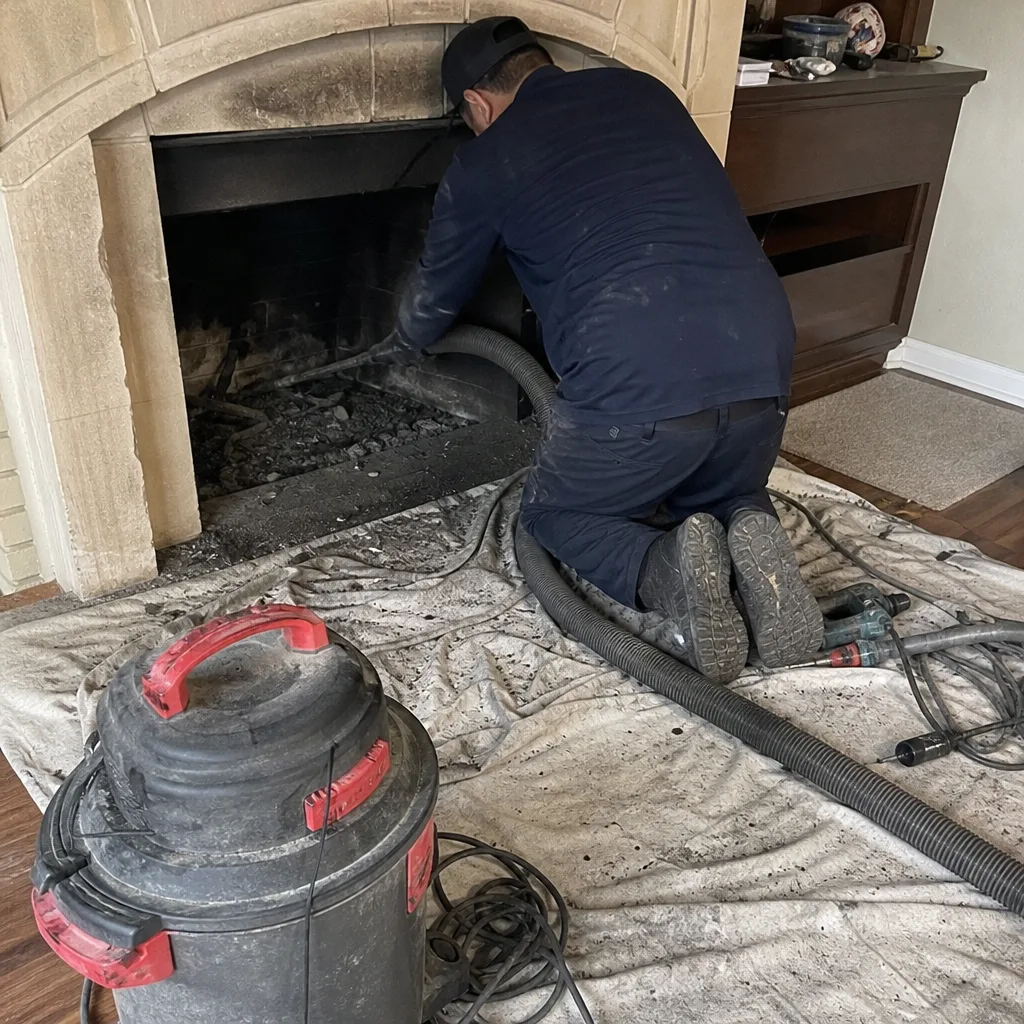
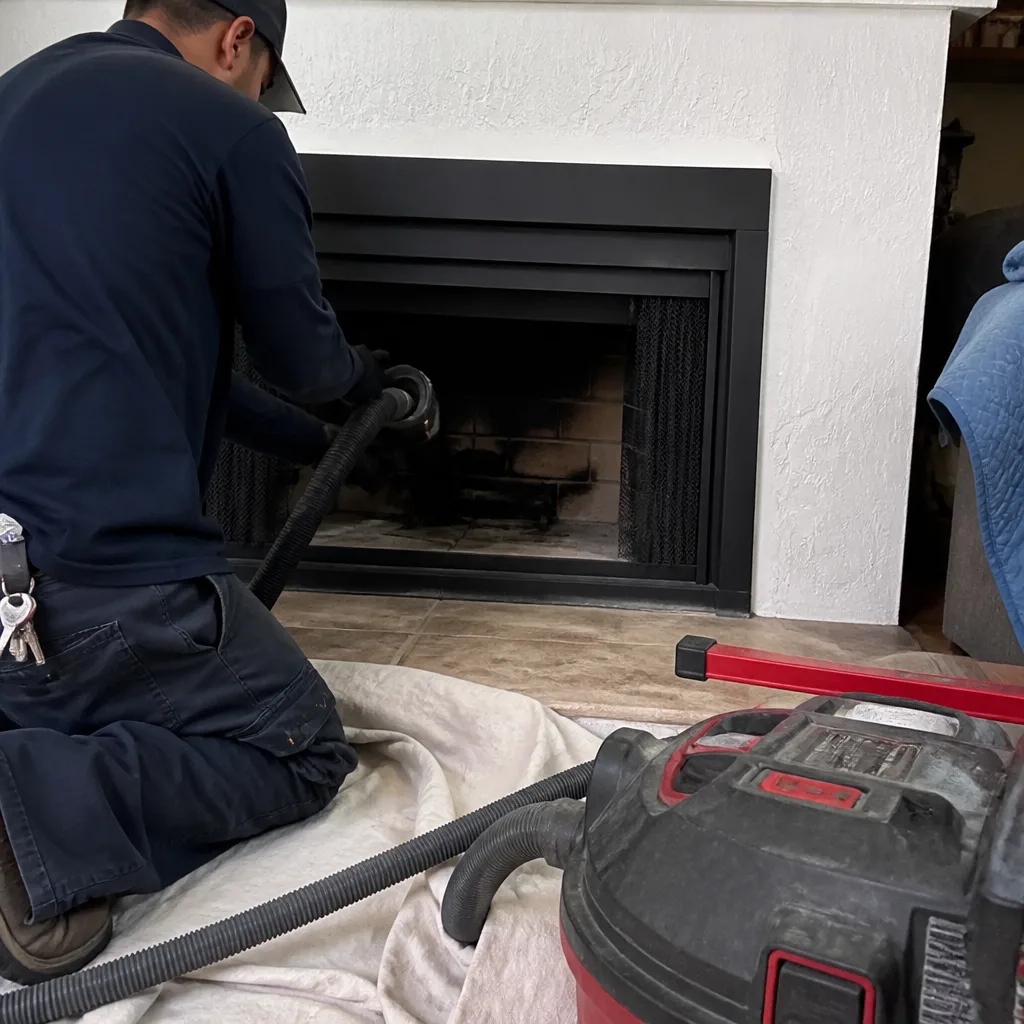
- “Can you walk me through what a typical job looks like from start to finish?” This is a conversation-flow question, not a factual one. A professional describes the process: set up drop cloths, run the vacuum with HEPA filtration, sweep from the top down or bottom up depending on the setup, inspect with the camera, clean the smoke shelf, check the cap, review findings with you, provide a written report. A handyman describes it in two sentences or gets annoyed by the question.
- “How do you handle it if you find damage during the sweep?” The correct answer involves a written finding, photo documentation, and a separate repair quote with options. The wrong answer is “we can fix that right now for a few hundred extra.” A legitimate contractor separates the sweep from the repair recommendation. A generalist uses the sweep as a loss leader to upsell repairs you cannot verify. The difference matters because repair work on a chimney liner or firebox is structural, not cosmetic, and should never be an impulse decision.
Red Flags That Signal a Generalist, Not a Specialist
Most of the low-quality chimney work in Panorama City comes from the same source: generalist handymen and all-purpose home service companies that list chimney sweeping as one of forty services on their website. Chimney work is not a side item. It is a fire-safety discipline with its own codes, materials, and failure modes. Here is what to watch for.
- The flat-fee phone quote without a home visit. Any price quoted before the technician sees the chimney is a guess disguised as a firm number. A legitimate sweep price depends on flue size, creosote volume, roof access, and whether it is a wood-burning or gas appliance. A flat fee for every chimney means either the technician is cutting corners to protect margin, or the quote includes hidden fees that appear after the work starts.
- No mention of materials brands. Ask what liner components they use, what cap brands they install, what repair materials they carry. If the answer is generic, the work will be generic. We specify the right product for the repair, then source it from the suppliers professionals trust. Anyone who cannot name a supplier is not buying from one.
- No camera inspection capability. In our experience, this is the single most reliable filter question for chimney contractors serving Panorama City. A chimney sweep without a camera is working blind, and a sweep working blind cannot tell you the condition of your flue liner with any confidence.
- Pushy same-day upsells. A technician who “finds” damage on every sweep and recommends immediate repair on the spot is running a sales operation, not a maintenance service. Legitimate findings come with photo evidence, a written explanation, and time for you to evaluate the repair quote.
- No written report after the visit. A proper sweep produces documentation: photos from the camera inspection, a list of what was cleaned, a summary of any findings, and a recommendation for next steps. A handyman leaves your chimney and drives away. If there is no paper trail, there is no accountability.
- The company has no physical address or local phone presence. This matters in Panorama City because the area attracts transient operators who register a website, run ads for one season, then disappear. A contractor with a real local footprint is reachable if something goes wrong three months later.
How to Read a Chimney Sweep Quote in Panorama City
A quote is not just a number. It is a document that reveals how the contractor thinks about the job. Learning to read the line items tells you more about the company than any review does.
Here is what a professional quote from a Chimney Sweep in Panorama City typically includes:
- Sweeping of the flue system: the main event, itemized as its own line.
- Creosote removal from the smoke chamber and firebox: this is the part generalists skip, because it requires reaching into hard-to-access areas.
- Camera inspection of the flue liner: if this is not a line item, it is not part of the service.
- Written inspection report with photos: you should not pay extra for documentation.
- Cap and damper check: a quick visual on the cap for damage and the damper for operation.
Here is what a generalist quote looks like:
- “Chimney cleaning: $89” with no breakdown of what the cleaning includes.
- “Free inspection included” with no mention of camera equipment.
- No mention of the smoke chamber, firebox, or damper. These are the areas where creosote accumulates and where problems hide.
- A long list of add-on fees for things the professional includes in the base price.
The lowest bid in Panorama City often reflects a technician without a second-visit follow-up process and without liability coverage for liner damage. Sweeping a chimney involves running brushes through a flue liner that may already be compromised. If a contractor damages a liner during a sweep and has no liability coverage, the homeowner eats the repair cost. A legitimate operator carries coverage and stands behind the work. The cheap quote is not savings. It is transferred risk.
Ask for the quote in writing before you book. A contractor who will not put a number on paper before showing up is a contractor who plans to change that number after arriving.
What a Legitimate Scope of Work Looks Like
A scope of work is different from a quote. A quote says what it costs. A scope of work says what will actually be done, in what order, with what materials, and what happens if the technician finds something unexpected. A legitimate contractor provides one. A handwritten estimate on a service ticket is not a scope of work.
Here is what belongs in a legitimate scope of work document:
- Job address and date. Basic, but if it is missing, so is the attention to detail.
- Description of the system: “Wood-burning fireplace with clay tile flue liner, exterior masonry chimney” or “Prefab fireplace with metal flue” or “Gas log set with direct vent.” This tells you the technician actually looked at your setup.
- Services included, itemized: sweep, smoke chamber cleaning, camera inspection, damper check, cap inspection. Each item on its own line.
- Materials, if any repairs are quoted: brand names and part numbers where applicable. A repair quote that says “new chimney cap” without specifying the brand or material is incomplete. We source Gelco and Famco caps and covers for a reason: closure and weather protection components are matched to professional specs, not generic fits.
- Exclusions: what is not included. A legitimate scope says “roof access via ladder, customer responsible for removing screen if applicable.” A vague scope hides exclusions until they become change orders.
- Payment terms and schedule: deposit amount, balance due, payment methods.
- Contingency language: what happens if damage is found during the sweep. The standard practice is to pause, document with camera photos, provide a separate written repair quote, and schedule a follow-up visit. Nobody should be performing structural repair work during a routine sweep without your approval.
The difference between a scope of work and a service ticket matters on older Panorama City homes, where chimneys were built in the 1950s and 1960s and may have original clay tile liners. Those liners deteriorate over decades of thermal cycling, and a sweep may reveal the problem. When it does, you want the process to be documented and deliberate, not an on-the-spot upsell.
Why Camera Inspection Equipment Separates Pros from Pretenders
The chimney flue is the one part of your house you cannot see from the inside. You cannot open a door and look at it. You cannot use a flashlight effectively beyond the first few feet. The only reliable way to assess the condition of a flue liner is with a camera system designed for chimney inspection.
This is not a nice-to-have. It is the difference between knowing your chimney is safe and hoping your chimney is safe. Here is what a camera inspection actually reveals:
- Cracks in clay tile liners: the most common issue in older Panorama City homes. A cracked tile exposes the masonry behind it to heat and creosote, creating a fire risk that is invisible from the outside.
- Creosote buildup in hard-to-see areas: especially the smoke chamber, where creosote accumulates in thick layers that a standard sweep may not fully remove without visual confirmation.
- Deteriorated mortar joints between flue tiles: another age-related issue that requires visual inspection to diagnose.
- Animal nests or blockages: squirrels, birds, and raccoons find chimneys appealing. A camera confirms what is blocking your flue before you light the next fire.
- Damper operation: whether the damper opens and closes fully or is rusted in position.
A contractor who relies on a flashlight and a hand mirror is doing what sweeps did in 1975. The technology has moved on. Your chimney inspection should too. When we sweep a chimney in Panorama City, the camera inspection is part of the service, not an add-on. The photos become part of the written report you keep for your records. That documentation matters when you sell the home, file an insurance claim, or just want to know what is actually happening inside your flue.
Panorama City-Specific Factors That Affect Chimney Work
Panorama City presents a specific set of conditions for chimney work that a contractor from outside the Valley may not anticipate. These are not generic talking points. They are the practical realities we deal with when working on homes in this part of the San Fernando Valley.
Housing stock age. Most single-family homes in Panorama City were built between 1948 and 1965, as part of the postwar housing boom that transformed the Valley from orchards to suburban tracts. That means most chimneys in the area are original construction, now 60 to 75 years old. Clay tile liners from that era were built to a different standard than modern stainless steel liners, and decades of use plus seismic activity have taken a toll. Hairline cracks, spalled tiles, and deteriorated mortar joints are common findings on sweeps in this area.
Seismic considerations. The 1994 Northridge earthquake, with its epicenter just a few miles from Panorama City, damaged thousands of chimneys across the Valley. Many were repaired. Many were not. A chimney that survived the quake with structural damage may have been patched cosmetically but remain compromised internally. When we inspect a chimney in Panorama City, we look for signs of past seismic stress: step cracks in the exterior masonry, shifted flue tiles, and separation at the roofline. These are not cosmetic issues. They are indicators of potential structural weakness that affects how the chimney performs under future stress.
Climate and burn season. San Fernando Valley summers are hot and dry, and burn season is short, typically November through February. That means most Panorama City fireplaces sit unused for eight or nine months out of the year. During that idle period, creosote cured from the previous season sits in the flue, absorbing moisture during the brief rainy months and hardening. A hardened creosote deposit is harder to remove than a fresh one, and it burns hotter if ignited. This is why an annual sweep before burn season matters in this climate: the creosote you remove in October is material that has been sitting and hardening since February. For a complete schedule tailored to local conditions, see our Seasonal Chimney Cleaning Care for Panorama City: Year-Round Homeowner’s Guide.
Roof access realities. Panorama City homes are predominantly single-story ranch and traditional styles with low-pitch roofs, which means roof access for chimney sweeping is generally straightforward. That said, some of the older homes have added-on porch roofs or patio covers that complicate ladder placement, and many have original composition shingle roofs that require care to avoid damage. A contractor unfamiliar with Valley roof styles may not anticipate these access issues, leading to longer job times or, worse, roof damage.
Common Mistakes to Avoid
- Hiring based on price alone. The cheapest chimney sweep in Panorama City is usually the cheapest for a reason: no camera inspection, no written report, no liability coverage, no follow-up process. The money you save disappears the first time a problem goes undiagnosed.
- Skipping the phone screening. Most bad hires are preventable with a five-minute phone call. Asking the five questions in this guide before you schedule filters out the majority of unqualified operators before they ever arrive at your door.
- Trusting a recommendation without vetting the credential. A referral from a neighbor is useful, but a neighbor may not know the difference between a legitimate sweep and a handyman with a good personality. Vet the recommendation with the same questions you would ask a stranger.
- Delaying the sweep until the fireplace is already in use. Once burn season starts in November, the legitimate sweeps in Panorama City book out weeks in advance. Scheduling your sweep in September or October means you get the appointment before the seasonal rush, and the chimney is clean for the first fire.
- Ignoring the dryer vent. Many homeowners think of chimney maintenance and dryer vent cleaning as separate concerns handled by separate contractors. One call covers the full system, from firebox to cap, and dryer vents are a fire hazard when neglected. We treat the service accordingly. If your dryer vent has not been cleaned in over a year, ask about it during the same visit.
- Not asking for the report in writing. If it is not documented, it did not happen. A written report with camera photos is your record of the chimney’s condition at a specific point in time, which matters for insurance, resale, and tracking changes over time.
- Accepting an on-the-spot repair recommendation without a second opinion. A technician who finds damage during a sweep should document it and provide a written repair quote for you to evaluate. If they pressure you to approve repair work immediately, the finding deserves a second look.
When to Call a Professional
Some chimney problems cannot wait, and some symptoms are warnings that something is wrong inside the flue. Call a professional if you notice a smoky smell in the house after a fire, visible soot staining on the ceiling or walls near the fireplace, water stains on the ceiling or around the chimney chase, a damper that will not open or close, or any sign of animal activity in the chimney, including scratching sounds or nesting material visible from the hearth. These are indicators of functional problems, not just aesthetic ones. A chimney that smokes back into the room suggests a draft issue, and a draft issue can mean creosote buildup, a structural blockage, or a flue liner problem. Each of these has a different fix, and none of them are do-it-yourself jobs. The same logic applies to gas appliances: if your gas fireplace produces soot, shows a lazy yellow flame instead of a crisp blue one, or produces a gas-like odor, stop using it and call for an inspection. Gas appliance venting problems are directly tied to carbon monoxide risk, and that is not a maintenance issue to defer. Chimney Sweep Panorama City home service area covers the surrounding Valley neighborhoods, and we offer free estimates in Panorama City. Call (866) 632-1828 to schedule.
Frequently Asked Questions
A standard chimney sweep in Panorama City typically runs between $150 and $350, depending on flue size, creosote volume, roof access, and whether the chimney serves a wood-burning fireplace, insert, or gas appliance. A quote below $100 should raise the questions outlined in this guide: is a camera inspection included? Is the smoke chamber being cleaned? Is there a written report? For help preparing for unexpected issues, read our Chimney Cleaning Emergency Preparedness Guide for Panorama City Homes. Call (866) 632-1828 for an exact quote on your specific home.
The only way to know is to see camera footage of the liner’s condition. A cracked clay tile liner in an older Panorama City home is a legitimate repair finding, but the repair may not require full replacement. HeatShield resurfacing technology can restore many damaged liners by applying a ceramic coating to the interior, sealing cracks and restoring structural integrity at a fraction of full relining cost. Restoration before replacement is the right approach, and any contractor who jumps straight to a full reline without discussing the HeatShield option is not giving you the full picture.
The National Fire Protection Association standard is that chimneys be inspected at least once a year and swept when creosote buildup reaches 1/8 inch or more. For a wood-burning fireplace in Panorama City that gets used weekly during burn season, that translates to an annual sweep in practice. Gas fireplaces can go longer between sweeps but still need annual inspection for venting and carbon monoxide safety. If you burn unseasoned wood or use the fireplace heavily, expect to need sweeping more frequently.
Creosote, a byproduct of wood combustion, accumulates on the flue walls with every fire. Over time it hardens into a dense, tar-like substance that is highly flammable. A chimney fire occurs when built-up creosote ignites, and those fires can reach temperatures that crack flue liners, damage the chimney structure, and spread to the home. Skipping a sweep does not guarantee a chimney fire, but it raises the risk every year you defer. The creosote is there. The only question is whether it reaches ignition temperature before you get it removed.
They should be, but often are not. Most chimney sweeps will clean a dryer vent if asked, but many treat it as a side job with minimal equipment and no specialized training. Dryer vent cleaning is a distinct fire-safety service, and dryer vents are a fire hazard when neglected. We treat the service accordingly, with professional-grade equipment and the same documentation standards we apply to chimney work. If you need both services, ask whether the contractor handles Dryer Vent Cleaning in Panorama City as a dedicated service line or a bolt-on.
You can, but you should not. The reasons go beyond the practical access issues of getting on a Valley roof with ladders and brushes. Without a camera inspection, you cannot see whether your sweep actually removed the creosote or just knocked it loose. Without training, you cannot distinguish between normal discoloration and a cracked liner that needs repair. And without the right equipment, including proper vacuum filtration, you will fill your living room with fine soot that settles into carpets, upholstery, and HVAC filters. A professional sweep in Panorama City uses HEPA-filtered vacuums and drop cloths for a reason. The mess stays contained, and the inspection actually tells you something.
The Bottom Line
Hiring a chimney cleaning contractor in Panorama City is a filtering exercise, not a price comparison. The state of California does not license chimney sweeps, which means the only quality control is you asking the right questions before you book. Verify a recognized certification like CSIA or NFI. Confirm camera inspection is part of every service. Ask which material brands the contractor sources for repairs. Require a written scope of work before any job begins. A specialist can answer these questions in a single phone call. A generalist cannot. The difference is not just the quality of the sweep. It is whether you get an honest assessment of your chimney’s condition from someone who can actually see inside the flue. For Chimney Repair in Panorama City, call (866) 632-1828 for a free estimate.
Written by the team at Chimney Sweep Panorama City, serving Panorama City since 2011. Explore more guides & resources from our team.
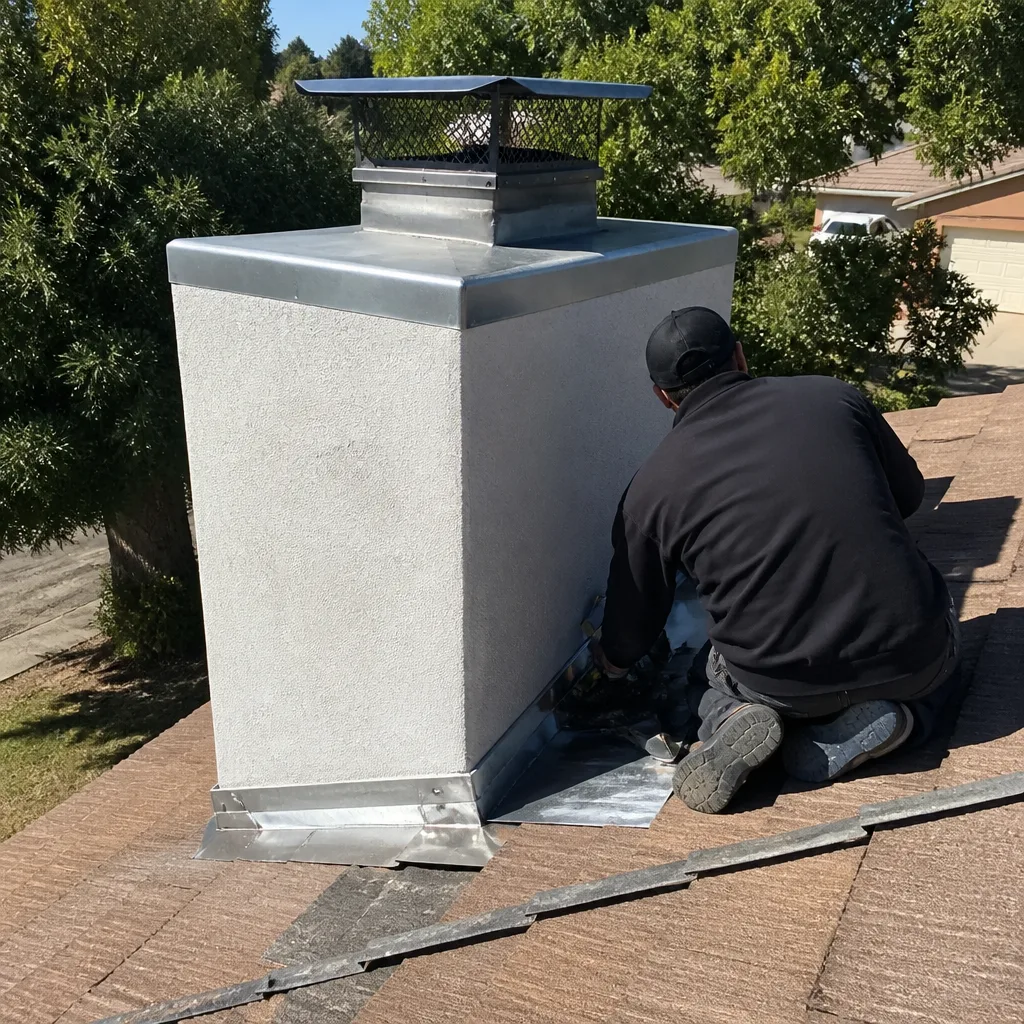
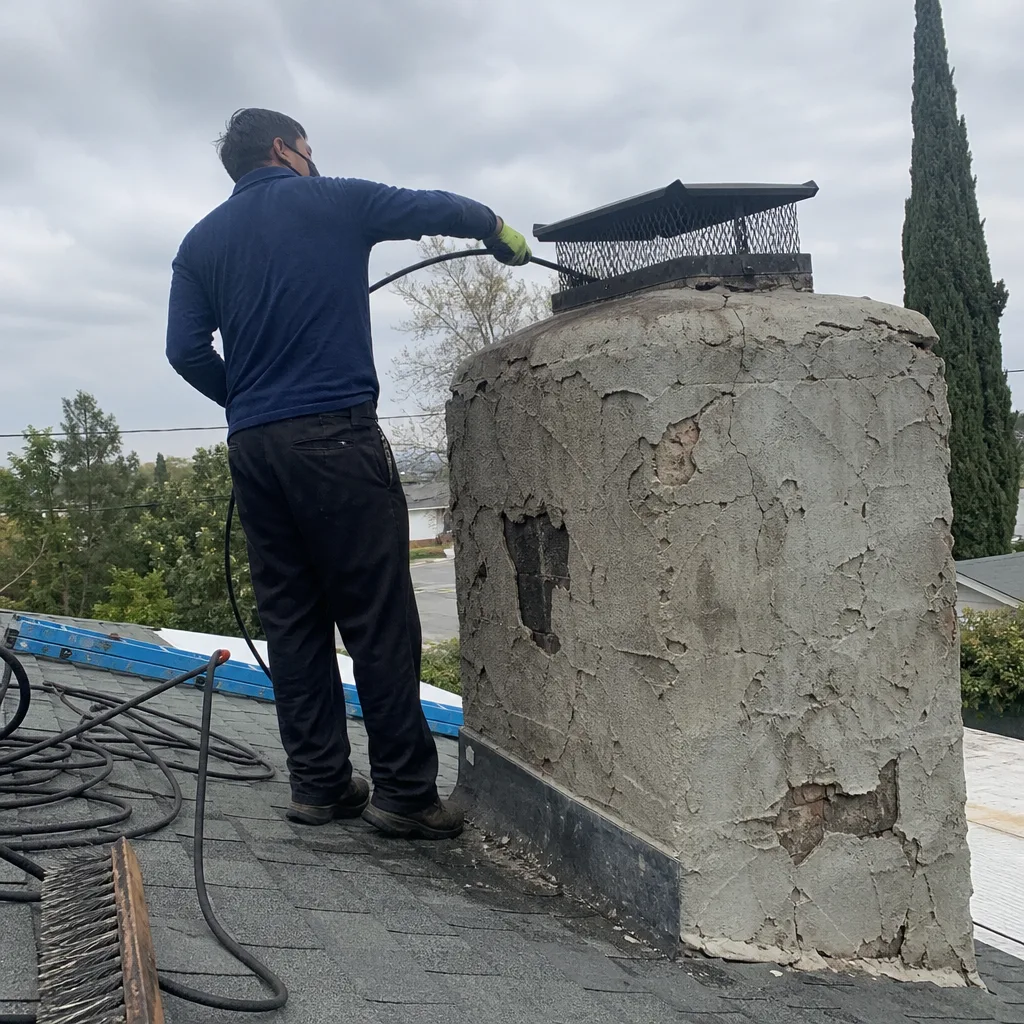
See the difference
 Before
 After
 Before
 After
 Before
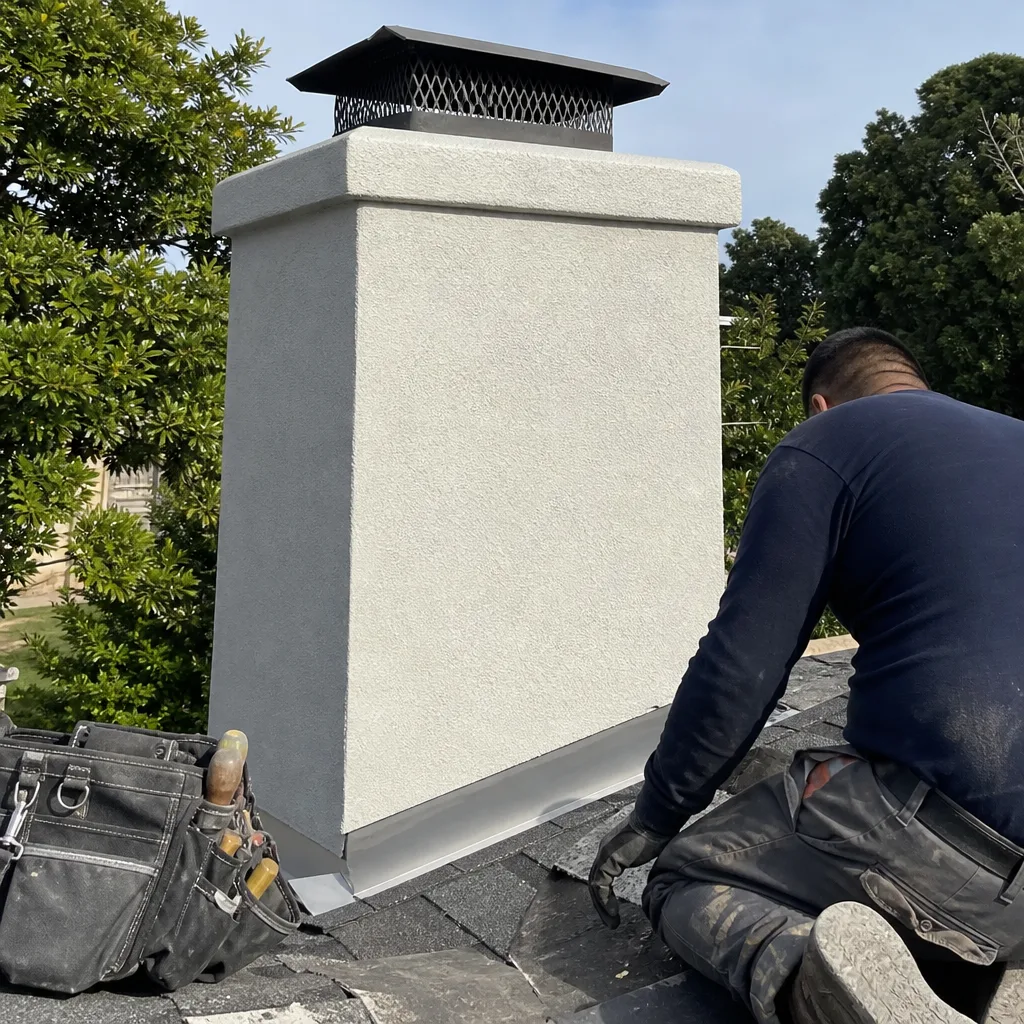 After