
Last updated November 2, 2026
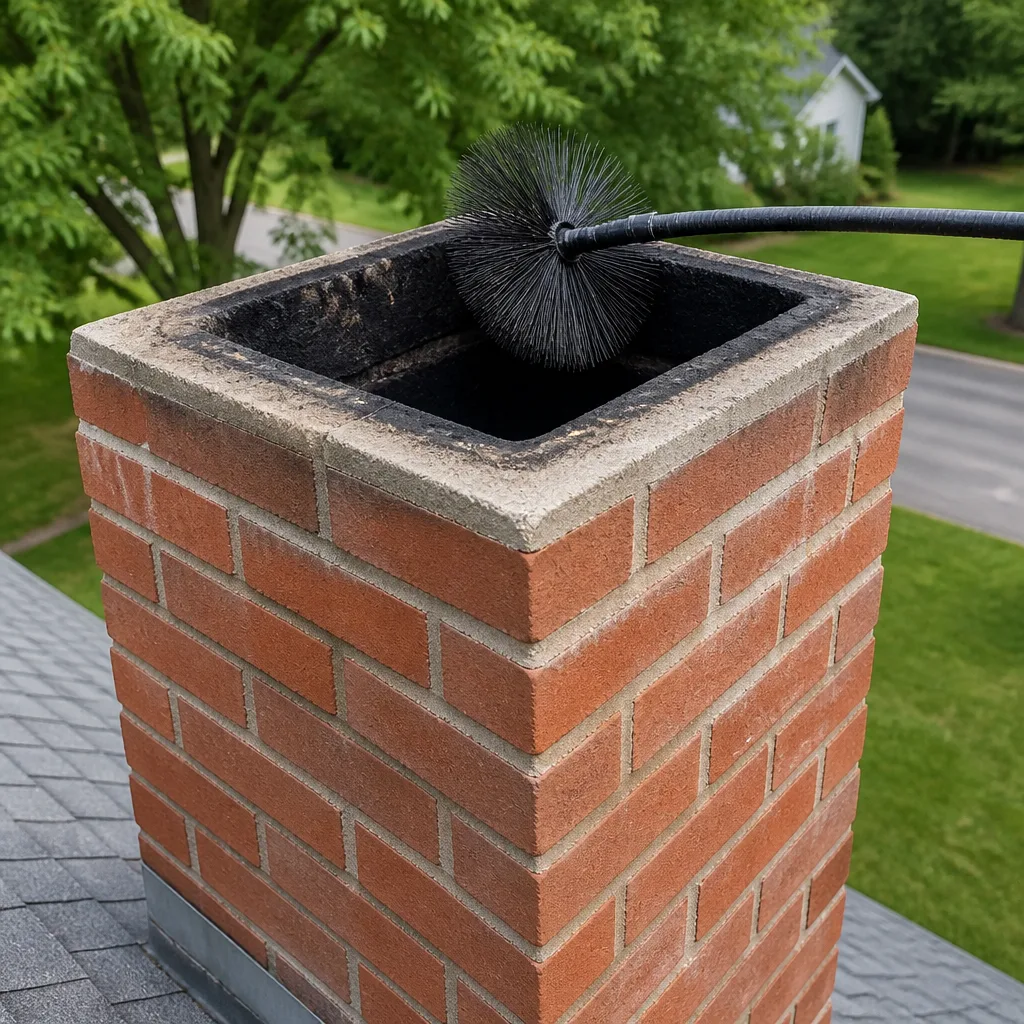 Sweep & inspection
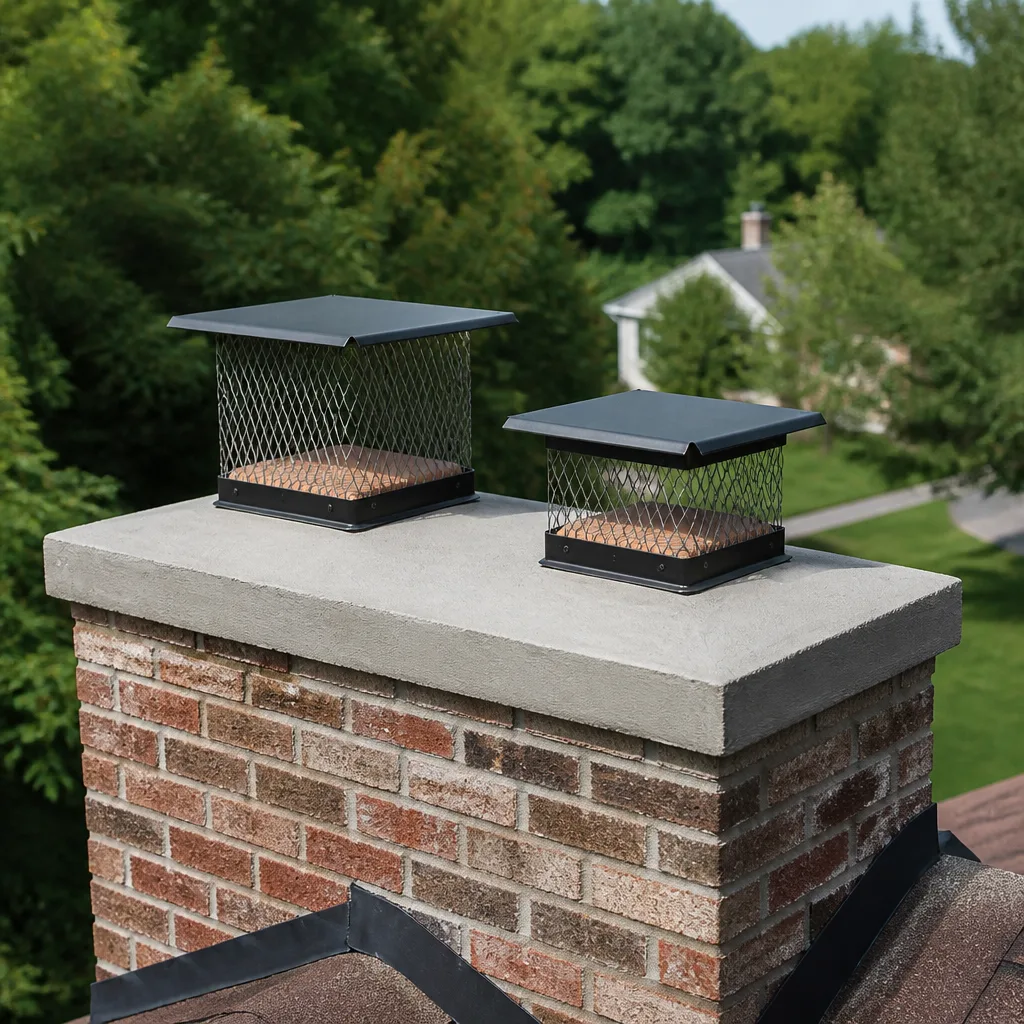 Caps & crowns
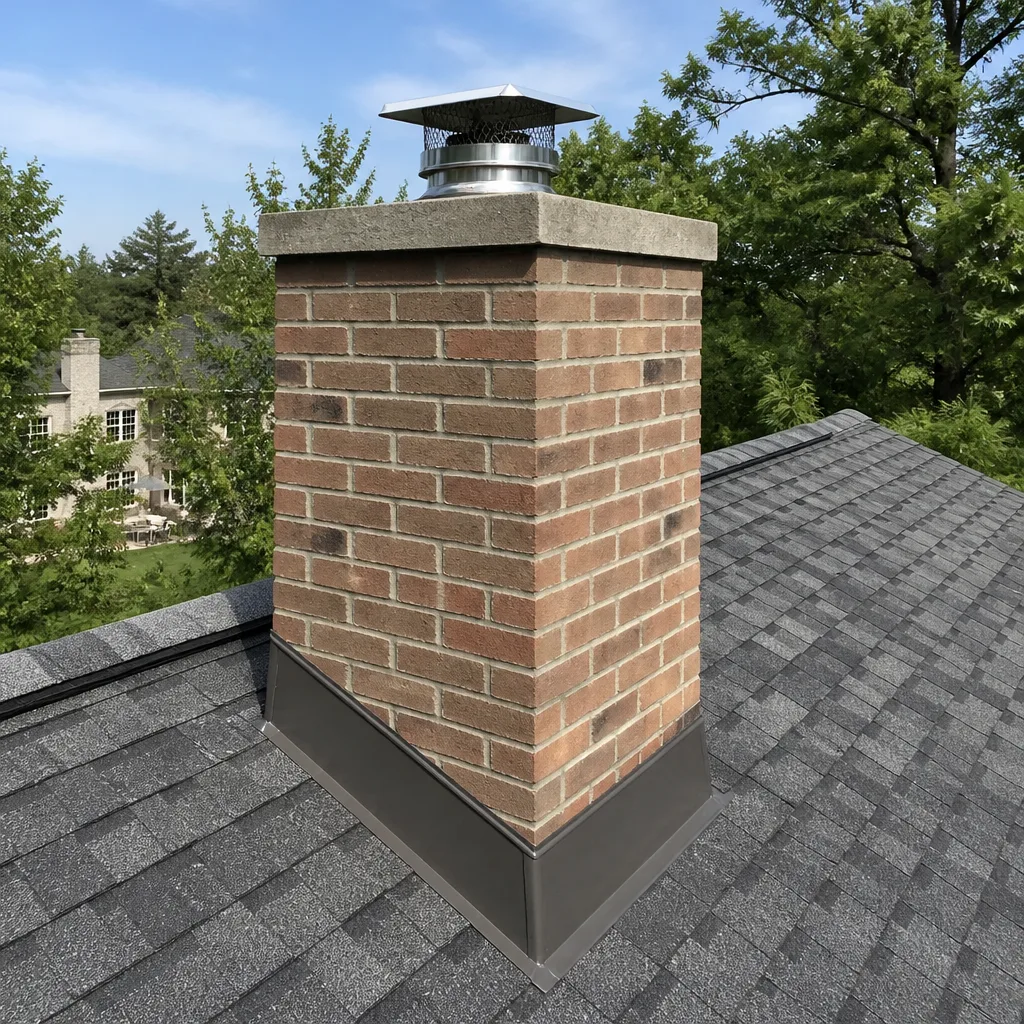 Flue relining
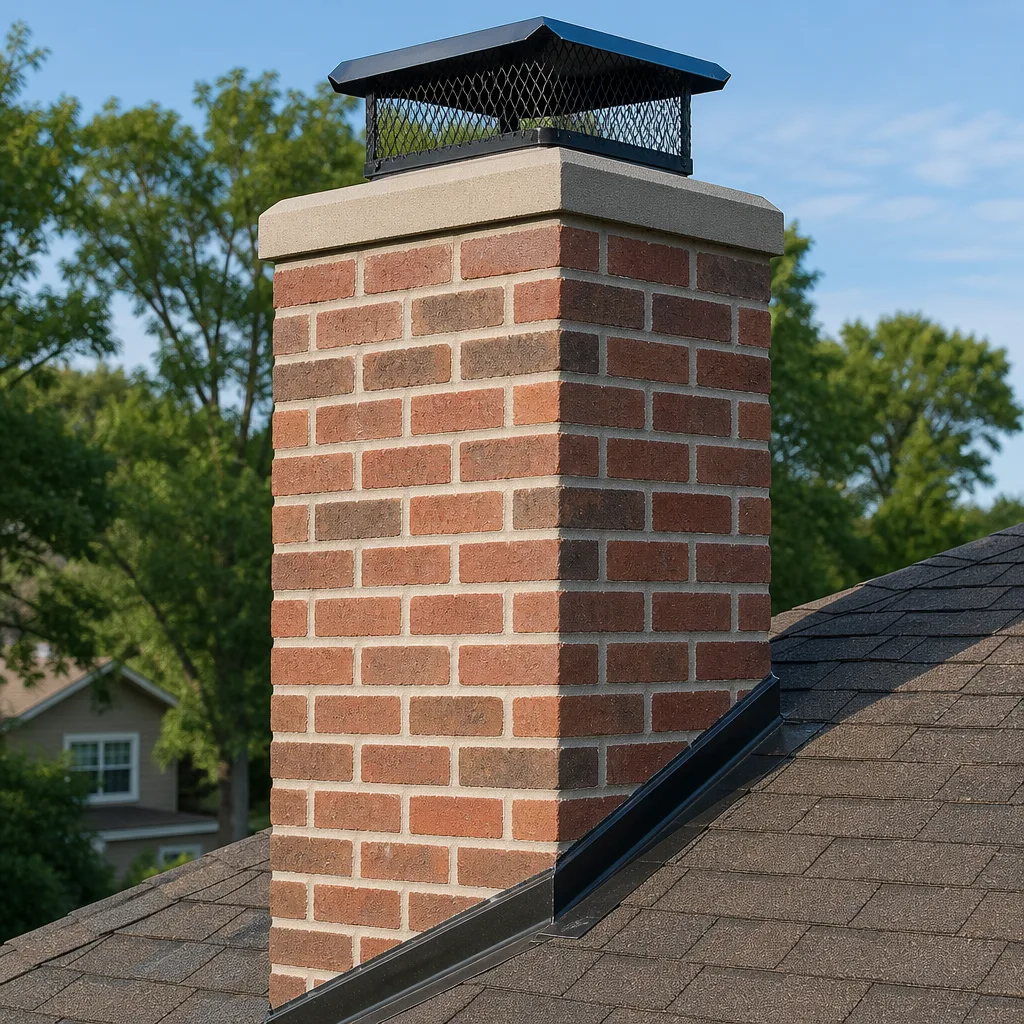 Masonry repair
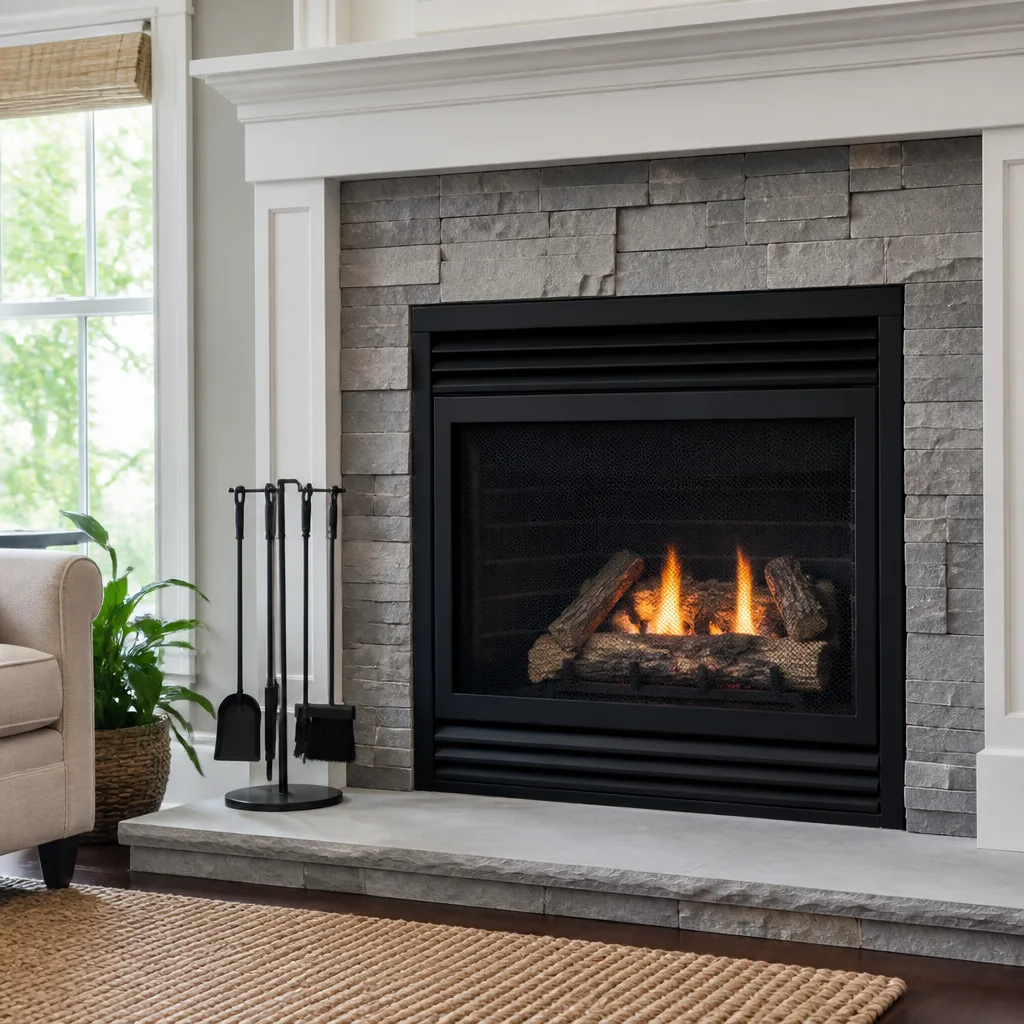 Gas fireplace service
Level 1 sweep and inspection to the NFPA 211 annual standard - flue, crown, cap, and flashing checked and photographed
Chimney sweep logs do not sweep chimneys. They loosen some creosote - which then falls where a brush and vacuum still have to collect it.
Seasonal Chimney Cleaning Care for Panorama City: Year-Round Homeowner’s Guide
Most chimney care guides copy the Midwest playbook: sweep in fall, burn all winter, close up in spring. Panorama City doesn’t work that way. Our burn season is short, our Santa Ana winds are relentless, and our wildfire smoke settles into unused flues all summer long. The result is a maintenance calendar that looks almost backwards compared to national advice. This guide lays out the actual seasonal rhythm that works in Panorama City, when to schedule service, when to hold off, and what most homeowners miss until the damage is already done.
Styles & brands we work with
- Sweep & inspection
- Caps & crowns
- Flue relining
- Masonry repair
- Gas fireplace service
Quick Answer
The best time to schedule a chimney cleaning in Panorama City is spring, not fall. A post-season sweep removes the creosote and ash from your winter burn window before summer heat bakes it onto flue walls, while a fall inspection confirms nothing entered the chimney during wildfire season and Santa Ana wind months. The San Fernando Valley’s climate demands a two-touch maintenance year: clean in spring, inspect and cap-check in late fall.
Table of Contents
- Why National Chimney Advice Fails in Panorama City
- The Panorama City Seasonal Chimney Calendar
- How Santa Ana Winds Affect Your Chimney
- Wildfire Smoke Intrusion: What It Deposits Inside Your Flue
- Summer Tasks That Protect Your Chimney When It’s Not in Use
- Why Spring Is the Better Time for a Panorama City Chimney Sweep
- When to Schedule Each Service: Sweep, Repair, and Dryer Vent
- Common Mistakes to Avoid
- When to Call a Professional
- Frequently Asked Questions
- The Bottom Line
Why National Chimney Advice Fails in Panorama City
The standard guidance you’ll find online says: “Sweep your chimney every fall before burning season.” That advice was written for climates where winter means six months of continuous fireplace use, where creosote builds up in thick layers, and where the off-season is cold enough to keep animals and debris dormant. Panorama City breaks every assumption in that model.
First, our burn window is compressed. Most homeowners in Panorama City light fires from late November through February, maybe mid-March on rare cold snaps. That’s three to four months of active use, not six. Creosote accumulation rates are different here. The deposits tend to be thinner but drier, and dry creosote is actually more flammable per inch than the gooey tar-like buildup common in humid climates. A thin layer of stage-two creosote can ignite at around 450 degrees Fahrenheit inside your flue, and our hot-burning fires in dry air hit those temperatures regularly.
Second, our off-season is not dormant. Santa Ana winds blow from October through March, with the strongest events typically hitting between December and February. Those winds don’t just rattle your chimney cap. They drive airborne debris, dust, and particulate matter directly down uncapped or poorly capped flues. When the wind blows at 40 to 60 miles per hour through the San Fernando Valley, your chimney becomes a collection point for whatever is in the air.
Third, wildfire season has become a summer fixture in Southern California. Smoke from fires in the Angeles National Forest, the Santa Monica Mountains, or further north settles across the Valley. Even when the fire is miles away, the smoke finds its way into your home through the chimney. What it leaves behind is a fine, sticky particulate that coats flue walls and mixes with any residual creosote to form a particularly stubborn deposit.
Here’s the key insight most national guides miss: in Panorama City, your chimney needs attention after the threats pass, not just before the burn season begins. A fall-only maintenance routine means you’re cleaning before the wind season and wildfire season do their work, then leaving that debris in place all spring and summer. By the time you light the first fire of the next season, the chimney has months of accumulated crud you never addressed.
If you want a Chimney Sweep in Panorama City who understands the local calendar, that’s exactly the kind of scheduling logic we build into every service call. The right timing matters as much as the right technique.
The Panorama City Seasonal Chimney Calendar
Here’s the maintenance rhythm that actually works for a Panorama City chimney. It’s built around three local drivers: the burn window, Santa Ana wind season, and summer wildfire smoke intrusion.
- January – February (Peak Burn Season): You’re using the fireplace regularly. Watch for signs of trouble: smoke backing into the room, a persistent smoky odor even when the fire is out, or a whistling sound from the chimney on windy nights. These are early warning signs that something has changed in the flue or the cap.
- March – April (Post-Season Sweep Window): This is the sweet spot for your primary annual cleaning. The burn season is over, the creosote from winter is still fresh and easier to remove, and you’re clearing the system before summer heat hardens the deposits. This cleaning also gives you a clean baseline before wildfire smoke season begins.
- May – July (Summer Inspection and Cap Check): With the chimney clean and the firebox cold, this is the right time to inspect mortar joints, check the chimney cap for damage, and verify that the chase cover is seated properly. Cracks in mortar let moisture in. A bent or missing cap invites birds, squirrels, and debris. You might not be burning, but the chimney is still exposed to heat and UV every day.
- August – September (Pre-Wildfire Season Preventive Check): Before fire season peaks, run a quick visual check. Look for soot staining inside the fireplace, check for any odor coming from the flue on hot days, and make sure your chimney cap’s mesh screen is intact. Wildfire smoke particles are fine enough to pass through a standard spark arrestor, but a well-maintained cap still reduces the volume that gets in.
- October – November (Pre-Burn Season Inspection): If you had a spring cleaning, this should be a lighter touch: a visual inspection to confirm nothing changed over the summer and that the flue is clear. If you skipped spring, this becomes your full sweep. Either way, this is when you also want your dryer vent checked since winter drying cycles run longer and lint buildup is a year-round fire risk that peaks when people are indoors more.
- December (Peak Santa Ana Watch): The strongest Santa Ana events hit in December. After any multi-day wind event, do a quick check around the chimney base and inside the fireplace for debris that may have blown down. If you hear unusual rattling from the cap area, schedule a cap inspection before the next big blow.
This calendar works because it assumes the threats and schedules maintenance after each one passes. It also means you’re never more than a few months from having a professional set of eyes on the system, which catches small problems before they become structural.
How Santa Ana Winds Affect Your Chimney
Santa Ana winds are a defining feature of life in Panorama City. Their geography matters for your chimney.
True Santa Ana conditions occur when high pressure builds over the Great Basin and pushes air down through the Cajon Pass and the Santa Clara River Valley, accelerating as it funnels through the canyons. By the time that wind reaches Panorama City, it’s dry, warm, and often gusting 40 to 70 miles per hour. The sustained nature of these winds is what damages chimneys. Unlike a passing storm front, a Santa Ana event can push wind through the Valley for two to three days without a break.
What that wind does to your chimney falls into three categories:
- Cap and chase cover damage: Sustained gusts test every fastener, every weld, every seam. We’ve seen caps bent at 45-degree angles from single wind events. Loose or poorly fitted caps get lifted, twisted, or torn off entirely. Once the cap is gone, the flue is an open pipe into your living room.
- Top-down debris loading: Without a functional cap, Santa Ana winds drive leaves, twigs, dust, and micro-debris straight down the flue. In a single week of strong winds, an uncapped flue can collect enough material to create a partial blockage, which is not just inefficient but a carbon monoxide backdraft risk when you light the first fire.
- Downdraft pressure changes: Strong wind across the top of the chimney creates negative pressure inside the flue. This reverse draft can pull smoke back into the house from a fire and, on the inverse, pull ash and soot from the firebox into the room even when there’s no active fire.
What to check after a major Santa Ana event: Look at the chimney cap from the ground with binoculars. Is it still level? Are there any visible gaps between the cap and the flue tile? Check inside the fireplace for debris that wasn’t there before. And listen for a whistling sound when the wind blows; that indicates airflow through a gap that shouldn’t be there.
Repair work after wind damage typically means cap replacement, chase cover reseating, or in severe cases, flue tile repair. For cap and chase cover work, we specify and source Gelco and Famco components, professional products sized to match the flue dimensions rather than generic hardware-store caps that get clamped on and hope for the best. A properly fitted cap is wind-resistant and protects more than just the opening; it protects the entire flue from top-down debris loading.
If your chimney repair needs in Panorama City involve anything from the crown up, the quality of the component you install matters as much as the installation. Our approach is straightforward: specify the right product from suppliers professionals trust, then install it so it survives the next wind season.
Wildfire Smoke Intrusion: What It Deposits Inside Your Flue
When wildfire smoke settles over Panorama City, most people think about air quality indoors and keeping windows closed. What they don’t think about is their chimney. But a chimney is, by design, a direct opening from the outside air into your home. Even a closed damper doesn’t seal the flue completely.
Wildfire smoke contains particulate matter far finer than the ash from your own fireplace. It includes what fire science calls PM2.5, particles under 2.5 microns in diameter. These particles are small enough to pass through the gaps around a closed damper, through standard spark arrestor mesh, and into the flue. Once inside, they settle on flue walls and mix with whatever is already there.
What that deposits in your chimney depends on what’s already lining the walls. If you swept in spring and the flue is clean, wildfire smoke adds a fine, dry, powdery layer that’s relatively easy to remove. If you didn’t sweep, that smoke particulate bonds with existing creosote to form a dense, sticky, difficult-to-remove coating. That’s why the spring sweep is so important here. It establishes a clean baseline so that whatever the summer smoke season deposits is a thin layer, not a baked-on composite.
The other thing homeowners in Panorama City notice during smoke events is a smell of smoke inside the house even though no one is burning. That’s the chimney acting as a conduit for outside air, smoke included. The smell is unpleasant, but the real concern is the particulate accumulation in the flue that you can’t see.
If you’ve had a smoke-heavy summer, mention it when you schedule your next chimney sweep. A standard sweep covers creosote removal, but post-wildfire smoke deposits sometimes require an additional pass with different brush sizes because the particulate embeds in the flue liner differently than standard soot. Knowing what your chimney was exposed to helps us choose the right cleaning approach.
At Chimney Sweep Panorama City, we treat every cleaning as a system-level service. Wildfire smoke intrusion is a Panorama City-specific issue that most nationally written guides never cover, even though it’s a regular part of our summers.
Summer Tasks That Protect Your Chimney When It’s Not in Use
Summer is when your chimney does its invisible work. It sits in direct sun, absorbs UV radiation, and expands and contracts across daily temperature swings that can hit 30 degrees or more from pre-dawn to mid-afternoon. That thermal cycling is stress, and stress eventually creates cracks.
Here’s the summer maintenance sequence we recommend for Panorama City homes:
- Inspect the mortar and crown: Look for small cracks in the chimney crown, which is the concrete cap that covers the top of the chimney structure. Panorama City’s dry heat can cause minor cracking through repeated expansion and contraction. Small cracks widen quickly once moisture gets in, and we don’t get much rain, so when we do get rain, the water finds every crack. Any crack wider than a hairline warrants a closer look from a professional.
- Check the cap and spark arrestor mesh: Summer is also when birds and squirrels are most active. A damaged spark arrestor mesh is an open door for nesting animals. Nesting material blocks flue airflow and becomes a fire hazard the moment you light the first fall fire. Check the mesh for holes, tears, or gaps at the seams.
- Verify the damper closes fully: An open or partially closed damper in summer lets conditioned air escape through the chimney, which quietly drives up your cooling costs. If the damper doesn’t close all the way or doesn’t seal, that’s a repair item worth scheduling before you need the fireplace again.
- Look for efflorescence: This is the white, powdery residue that appears on brick and masonry when water seeps in and evaporates, leaving mineral deposits behind. In Panorama City, you see it after those rare but intense winter rainstorms. If you see it on the chimney exterior in July, the moisture intrusion happened months ago and is still inside the masonry. Efflorescence is a symptom, not the problem, but it tells you the problem exists.
- Run a quick smell test: On a hot afternoon, open the fireplace and smell. A clean chimney with a functioning damper should have no odor. A sour or smoky smell means there’s creosote residue or smoke particulate inside, and heat is activating it. That’s a sign the system needs cleaning even if you’re not using it.
Most summer chimney work is inspection and planning, not active service. But that’s exactly what prevents the fall rush from turning into a fall emergency. When you catch a cracked crown in July, you have time to schedule the repair on your terms. When you discover it in November, you’re competing with every other homeowner in Panorama City who just realized their chimney isn’t ready for the burn season.
Why Spring Is the Better Time for a Panorama City Chimney Sweep
National chimney guides default to fall cleaning because in most of the country, fall is the natural transition from non-use to use. In Panorama City, spring is the smarter choice, and here’s exactly why.
Fresh creosote is easier to remove. Creosote that’s been sitting in a flue for three months is softer and less dense than creosote that’s baked through a full summer of 90-degree-plus heat. The same brush that removes spring creosote in two passes might need four or five passes on summer-hardened deposits. Spring cleaning is genuinely more efficient, which means faster service and a cleaner result.
You establish a clean baseline before wildfire smoke season. As covered earlier, wildfire smoke particles bond much more aggressively with existing creosote than with clean flue walls. By sweeping in spring, you remove the bonding surface. The smoke that enters your flue over the summer sits as a loose residue instead of becoming part of a stubborn composite.
Summer heat amplifies chimney odors. Even moderate creosote deposits can produce noticeable smells when the chimney heats up in summer. Panorama City summers send temperatures past 95 degrees regularly, which means the chimney is a passive heat collector even when there’s no fire. A spring sweep removes the odor source before the heat arrives.
You avoid the fall rush. Every September and October, homeowners across the San Fernando Valley simultaneously remember that winter is coming and schedule chimney services. Spring scheduling gives you full choice of appointment times and ensures the work is done when you’re not thinking about fire safety. It’s the difference between proactive maintenance and reactive scrambling.
One more consideration from a materials perspective: if the spring sweep reveals damage, like cracked flue tiles or deteriorated mortar, you have the entire summer to address the repair before you need the fireplace again. Fall-only inspections compress that timeline, and any repair complication means delaying your first fire of the season. For many Panorama City homeowners, chimney repair work only makes sense when scheduled with adequate lead time, not squeezed between Thanksgiving and the first cold snap.
The one exception to the spring-first rule: if you skipped spring, don’t skip fall too. A fall sweep is always better than no sweep at all. The calendar above is the ideal schedule, not a reason to do nothing if you’re already behind.
When to Schedule Each Service: Sweep, Repair, and Dryer Vent
We cover three service lines, and each one has its own optimal timing in Panorama City. Here’s how to think about scheduling all three without letting any of them slip.
Chimney sweeping: March to May. This captures the end of the burn season while deposits are still fresh. If you can’t do spring, the next-best window is September to early October. If you’re in the middle of a Santa Ana season or a wildfire smoke event, wait until it passes, then sweep. There’s little point in cleaning a chimney that’s about to take on another load of wind-driven debris or wildfire particulate.
Chimney repair: schedule as soon as problems are found. Cracked crowns, damaged caps, missing mortar, spalling brick; none of these self-heal. The longer they wait, the more structural damage they allow. In Panorama City’s dry climate, small cracks in masonry stay dry most of the year, but when winter rains arrive, the water infiltration does in two weeks what it would take a humid climate a year to cause. Repair scheduling is best done in summer, when conditions are dry and work can be performed without weather complications.
Dryer vent cleaning: any time, with a winter bump. Lint accumulation is proportional to dryer use, and dryer use spikes in winter when people are drying heavier clothing and linens indoors. We recommend scheduling dryer vent cleaning in Panorama City at least once every 12 to 18 months, and if you’re going to pick one time of year, October works well because it gets the vent clean before the holiday laundry load arrives. Dryer vent work is a fire-safety service, full stop. We handle it with the same professional-grade equipment and same attention to airflow as any chimney job, because the stakes are the same: a clogged vent is a structure fire waiting for an ignition source.
By separating these services on the calendar, you avoid the trap of needing everything done at once. The chimney gets its spring clean, the repair gets its summer window, and the dryer vent gets its pre-holiday check.
Common Mistakes to Avoid
- Following national fall-cleaning advice blindly. Panorama City’s climate means spring is often the better sweep time. Following the Midwest calendar means cleaning before the wind and smoke seasons, then leaving those deposits in place until next year.
- Ignoring the chimney cap after Santa Ana events. A bent or missing cap isn’t just an aesthetic issue. It turns the flue into a debris collector and then a blocked flue into a carbon monoxide risk. After major wind events, check the cap.
- Assuming a closed damper means a sealed chimney. Dampers don’t provide an airtight seal. Wildfire smoke particles are small enough to pass around a closed damper, and even on ordinary days, air exchanges through the gap. Spring cleaning plus a functional cap is the better defense.
- Skipping the summer cap and mortar inspection. The chimney works hardest in summer through thermal expansion and contraction. Annual cap and masonry checks cost far less than repairing the damage they prevent.
- Using generic hardware-store caps and chase covers. A universal-fit cap rarely fits any specific flue properly. Professional-grade components from suppliers like Gelco and Famco are matched to actual flue dimensions, which matters when the next Santa Ana hits.
- Treating dryer vent cleaning as an add-on. Dryer vent safety is its own discipline with its own fire risk profile. Treating it as a half-service bolted onto a chimney visit leaves gaps in the work. It deserves its own scheduled service.
- Waiting until the first cold snap to schedule service. The fall rush in Panorama City is real. People who schedule in spring get better appointment availability and more thorough service than those who call on the first cold morning in November.
When to Call a Professional
Some chimney issues are visible, obvious, and safe to identify. None of them are safe to ignore. Call a professional if you notice smoke backing into the room during fires, a persistent smoky or sour odor from the fireplace when it’s not in use, visible cracks in the chimney crown or mortar, a cap that’s bent, loose, or missing, or debris inside the firebox that wasn’t there before a wind event. These are all signs that the system has a problem that will not resolve on its own. A professional eye catches what a homeowner’s eye misses, especially inside the flue where most problems live. If you’re in Panorama City and any of these conditions sound familiar, Chimney Sweep Panorama City offers free estimates, call (866) 632-1828 to schedule an inspection at your convenience.
Frequently Asked Questions
Once a year is the standard for a working fireplace in Panorama City, with the ideal timing being spring, after the burn season ends. If you use your fireplace more than three times a week during winter or burn softwoods like pine, schedule a mid-season visual check in January or February as well. The biggest variable is the local environment. Santa Ana winds and wildfire smoke can load a clean chimney between seasons, so annual cleaning plus post-event checks is the right rhythm for this area. Call (866) 632-1828 anytime for a free estimate on Panorama City chimney cleaning.
Yes, because in Panorama City the chimney accumulates debris even when you’re not using it. Santa Ana winds push debris down the flue, wildfire smoke deposits fine particulate on the flue walls, and summer heat bakes whatever is there into a harder, more stubborn coating. A few fires a year also creates creosote, and dry Panorama City air means that creosote is more flammable per inch than creosote in more humid climates. Think of it as protecting the system from everything that enters it, not just from what you burn.
Chimney sweep pricing in Panorama City typically falls in the $180 to $350 range for a standard residential sweep, depending on the flue size, the amount of creosote buildup, and whether the chimney has accessible cleanouts. Specialized work like post-wildfire smoke treatment, animal removal, or heavy glazed creosote removal adds to the total. The best way to get an exact number is to schedule an inspection, and we provide free estimates, call (866) 632-1828 and we’ll give you a clear quote before any work begins.
Skipping maintenance allows creosote to accumulate, which increases chimney fire risk. In Panorama City, it also means wind debris and wildfire particulate sit in the flue for multiple seasons, sometimes creating partial blockages that restrict airflow and push carbon monoxide back into the home. Uncapped or poorly maintained chimneys also collect animal nests, which are a direct fire hazard. The damage compounds. A flue that needed a $200 sweep after one season might need a $1,500 repair after three years of neglect. The cost of inaction is almost always higher than the cost of maintenance.
Not every damaged liner needs full replacement. In many cases, HeatShield resurfacing can restore the liner’s integrity at a significant cost saving compared to full replacement. HeatShield is a specialized ceramic coating applied inside the flue that seals cracks, gaps, and spalling. It’s the right answer when damage is moderate and the liner structure is otherwise sound. Full replacement is reserved for liners that are structurally compromised or heavily deteriorated. A professional inspection with camera equipment is the only way to make that call accurately.
Wildfire smoke deposits fine particulate matter inside the flue, and that particulate bonds with any existing creosote to form a dense coating that’s harder to remove than normal soot. It also enters the home through the chimney, even with the damper closed, which is why many Panorama City residents smell smoke indoors during fire season even when no one is burning. A spring cleaning before wildfire season creates a clean flue surface that’s less receptive to smoke particulate, making the next cleaning faster and more effective. For a free estimate, call (866) 632-1828.
The Bottom Line
Panorama City’s chimney care calendar runs on local time, not national templates. Sweep in spring to clear the burn season while creosote is fresh and easy to remove. Check the cap after Santa Ana wind events, because wind is the top source of cap damage and top-down debris loading. Be aware of wildfire smoke and what it deposits in your flue, even when you’re not burning. Use summer for inspection and repair work, when the chimney is idle and scheduling is flexible. And treat dryer vents as the separate fire-safety service they are. The right timing plus the right materials plus professional attention means a chimney that’s ready when you need it; every single year.
Written by the team at Chimney Sweep Panorama City, serving Panorama City since 2011.
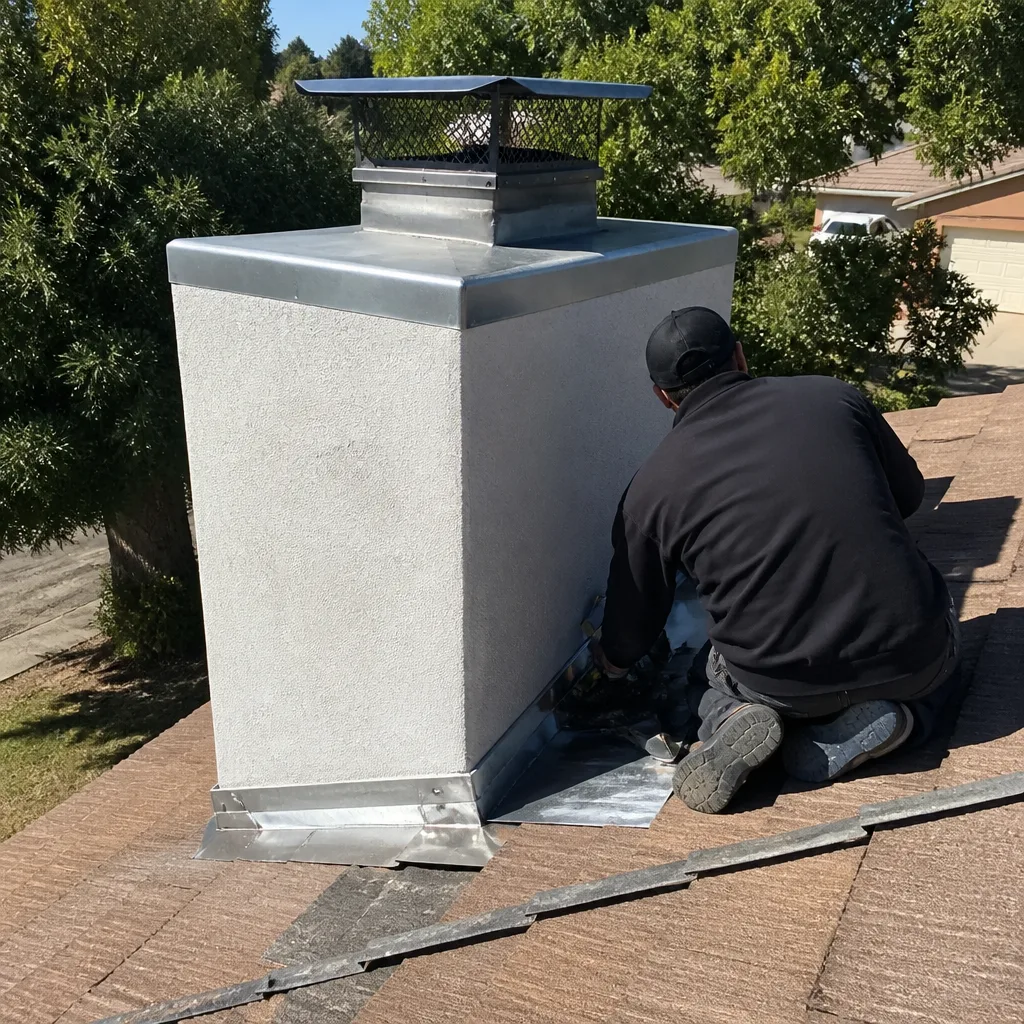
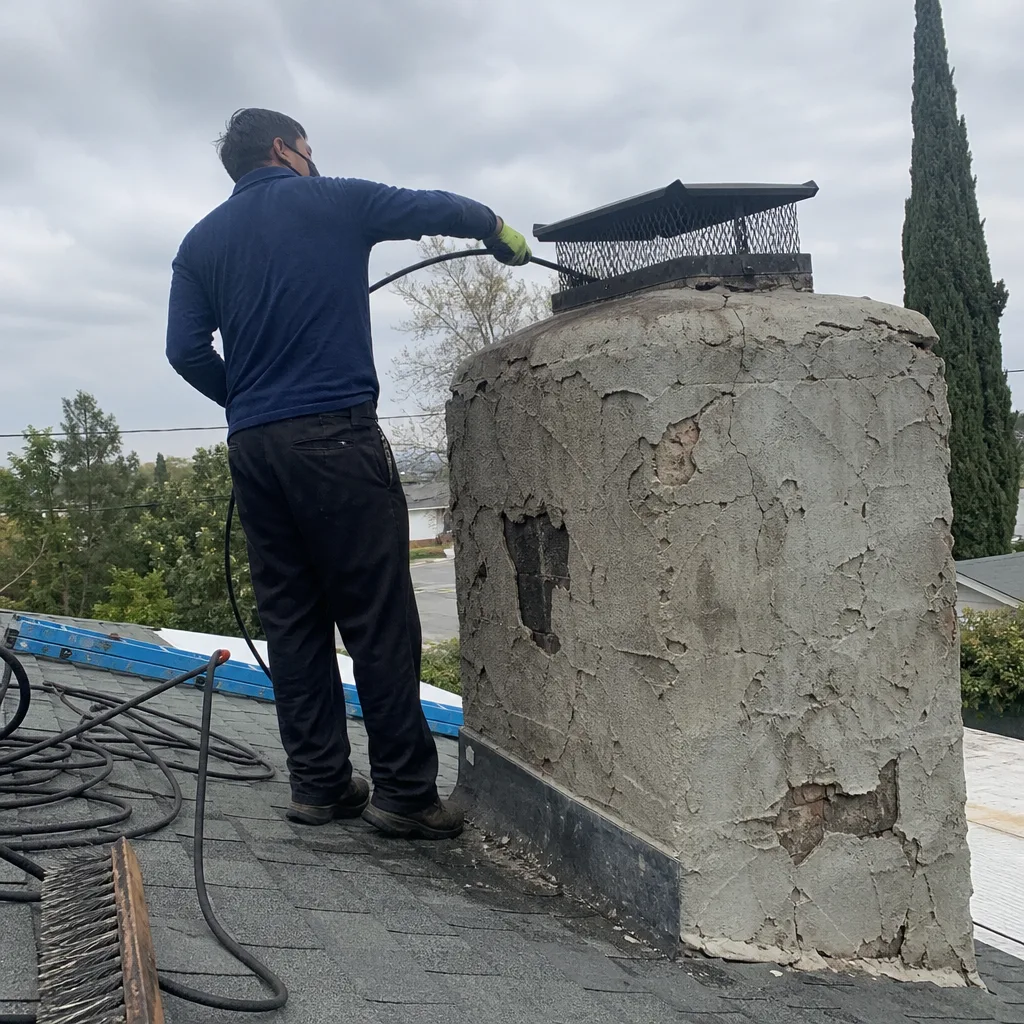
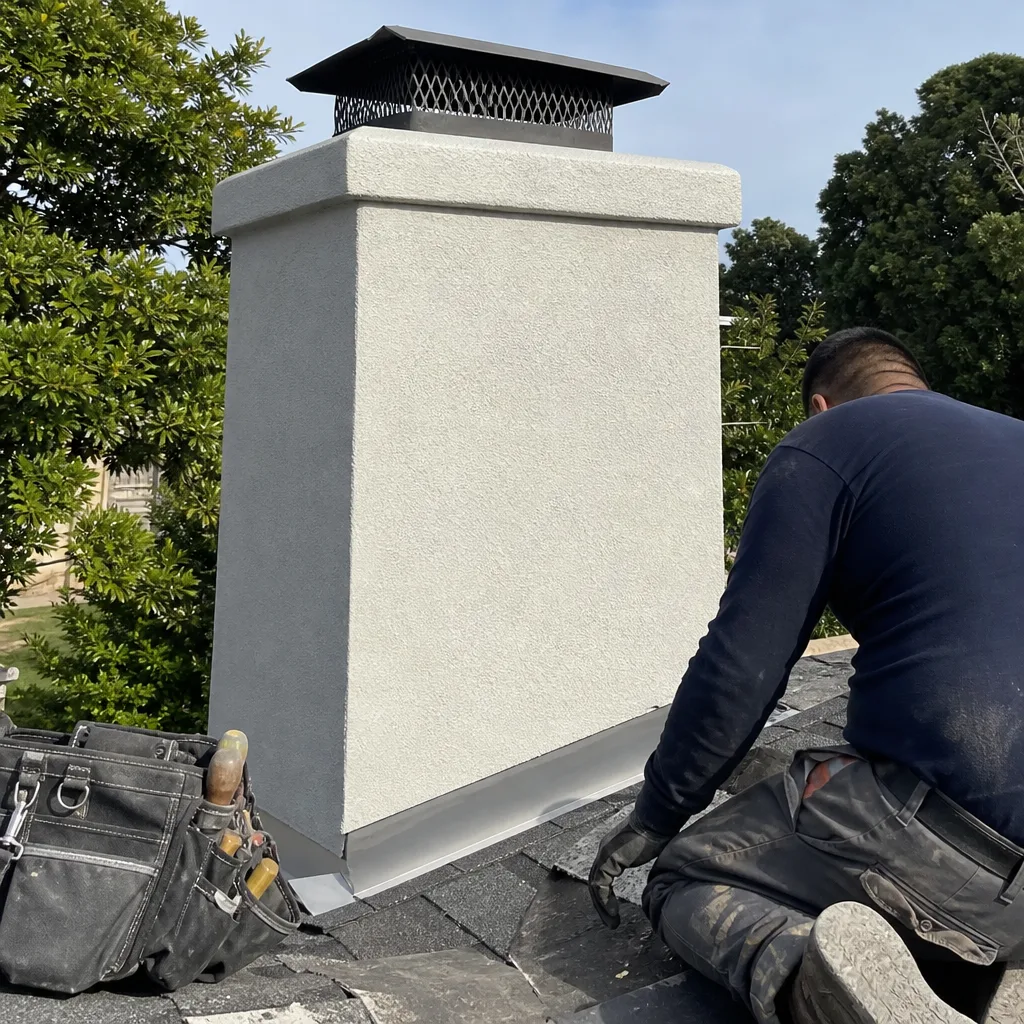
See the difference
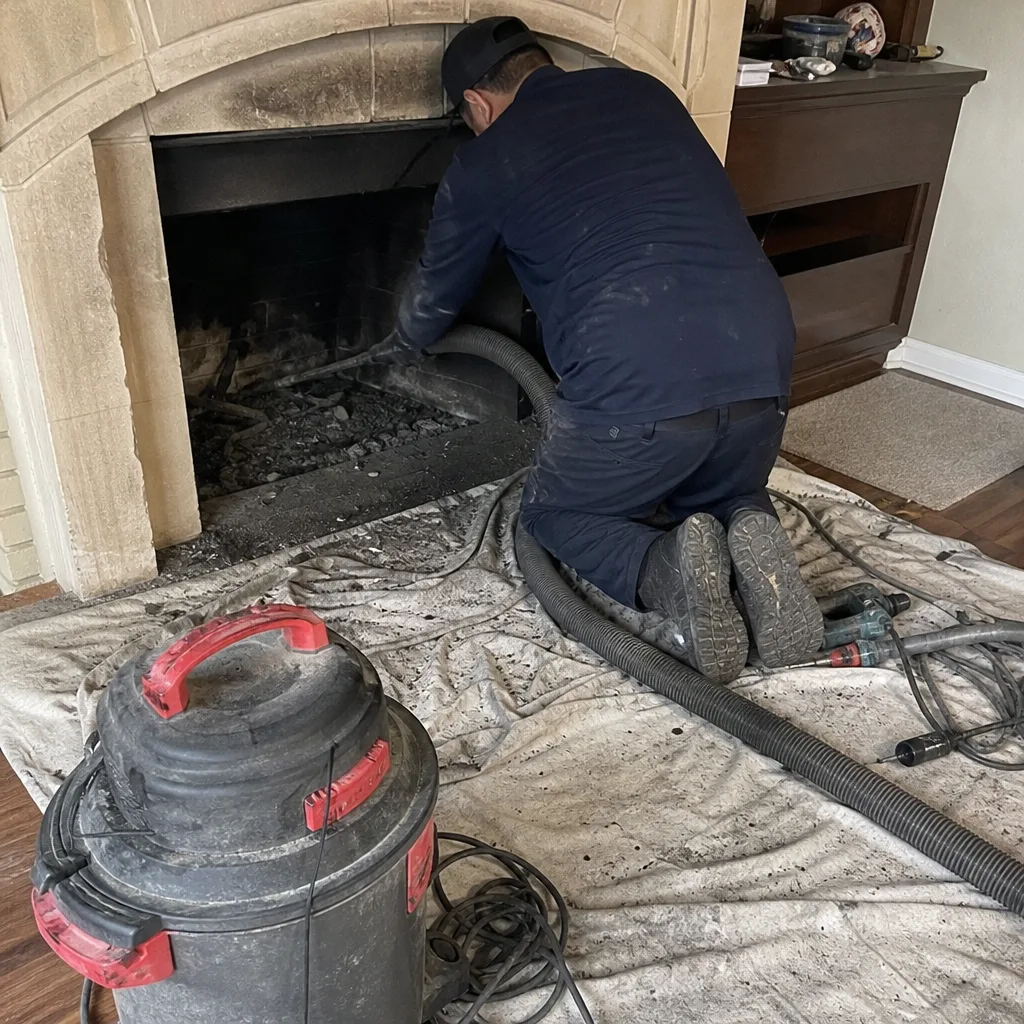 Before
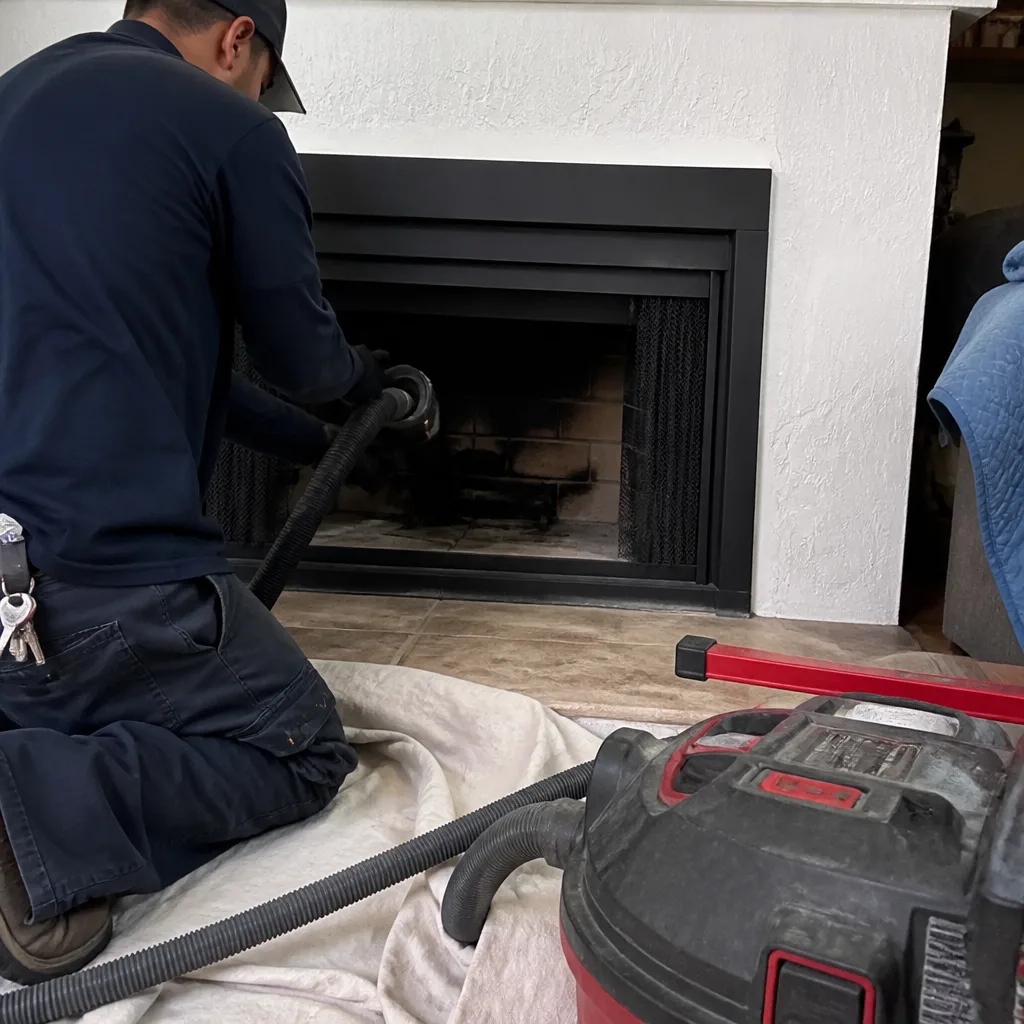 After
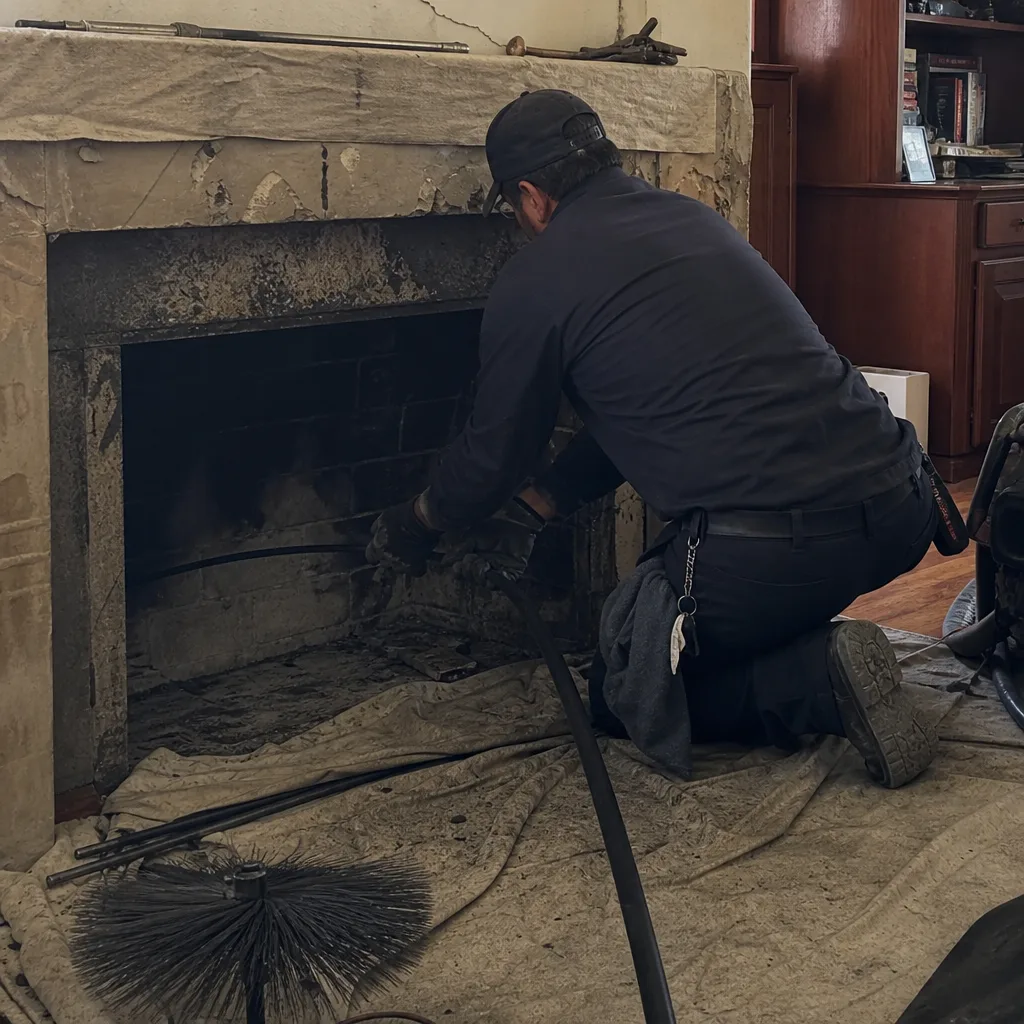 Before
 After
 Before
 After