
Last updated November 3, 2026
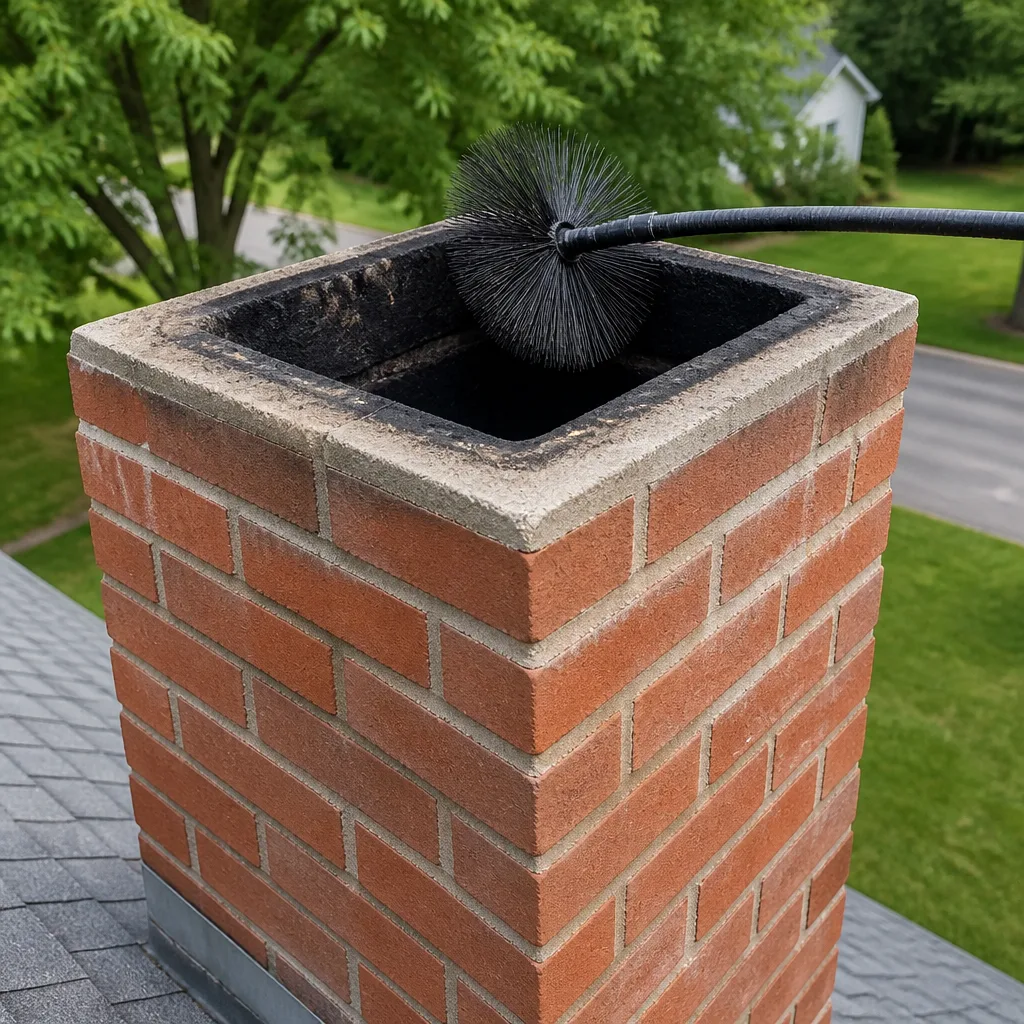 Sweep & inspection
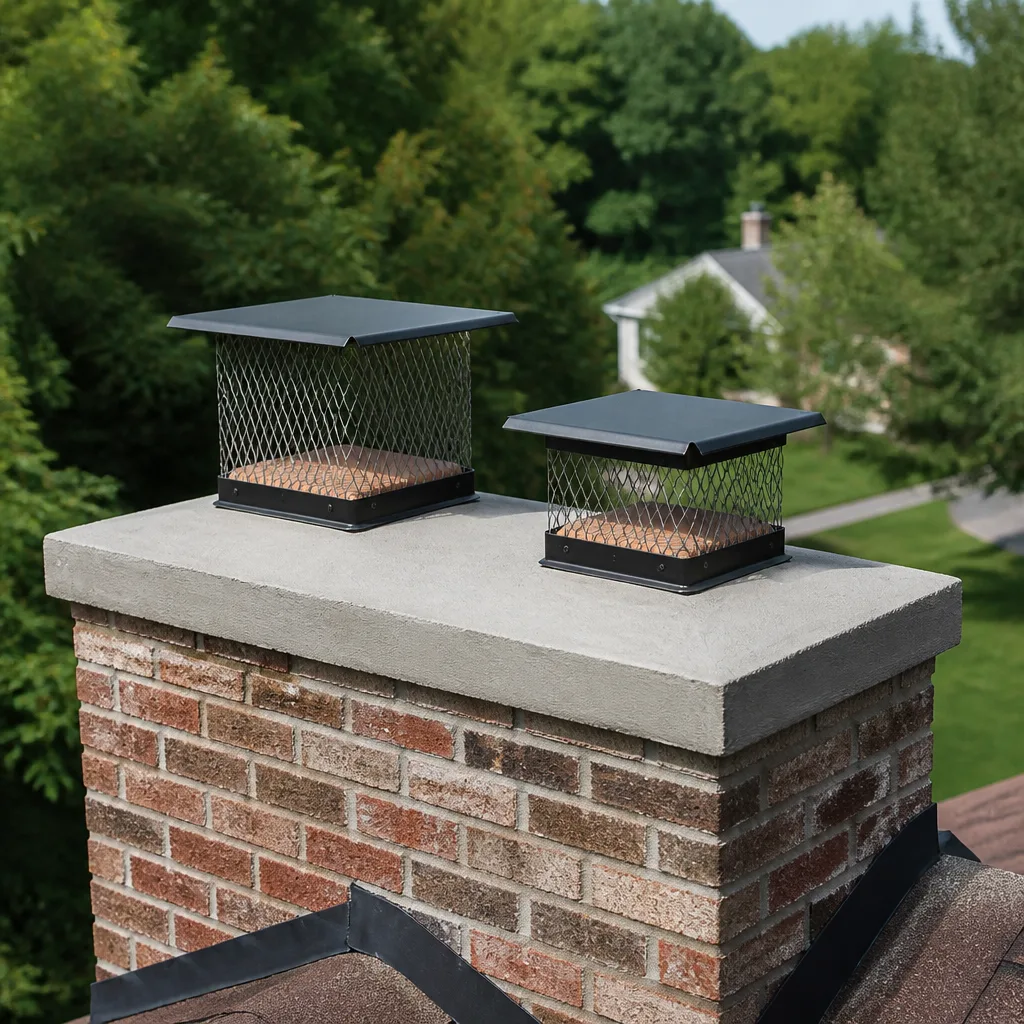 Caps & crowns
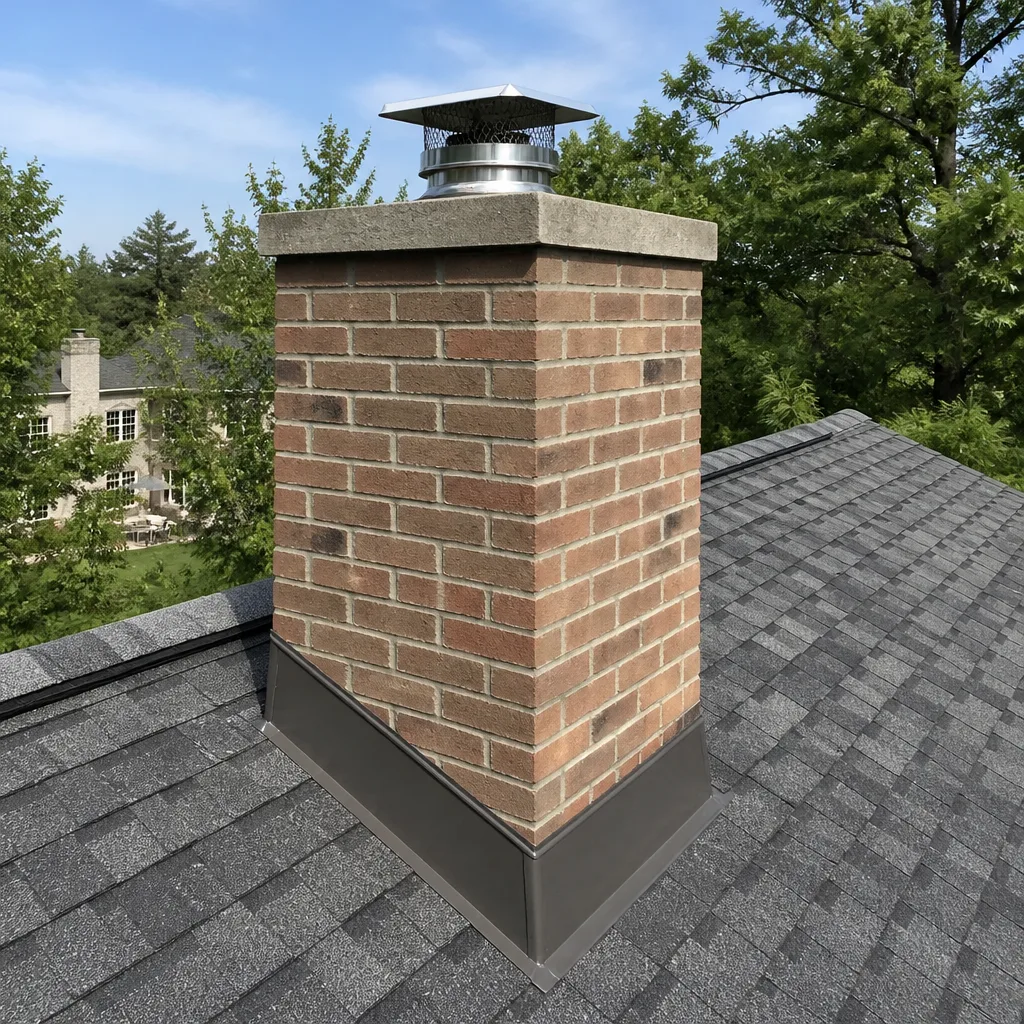 Flue relining
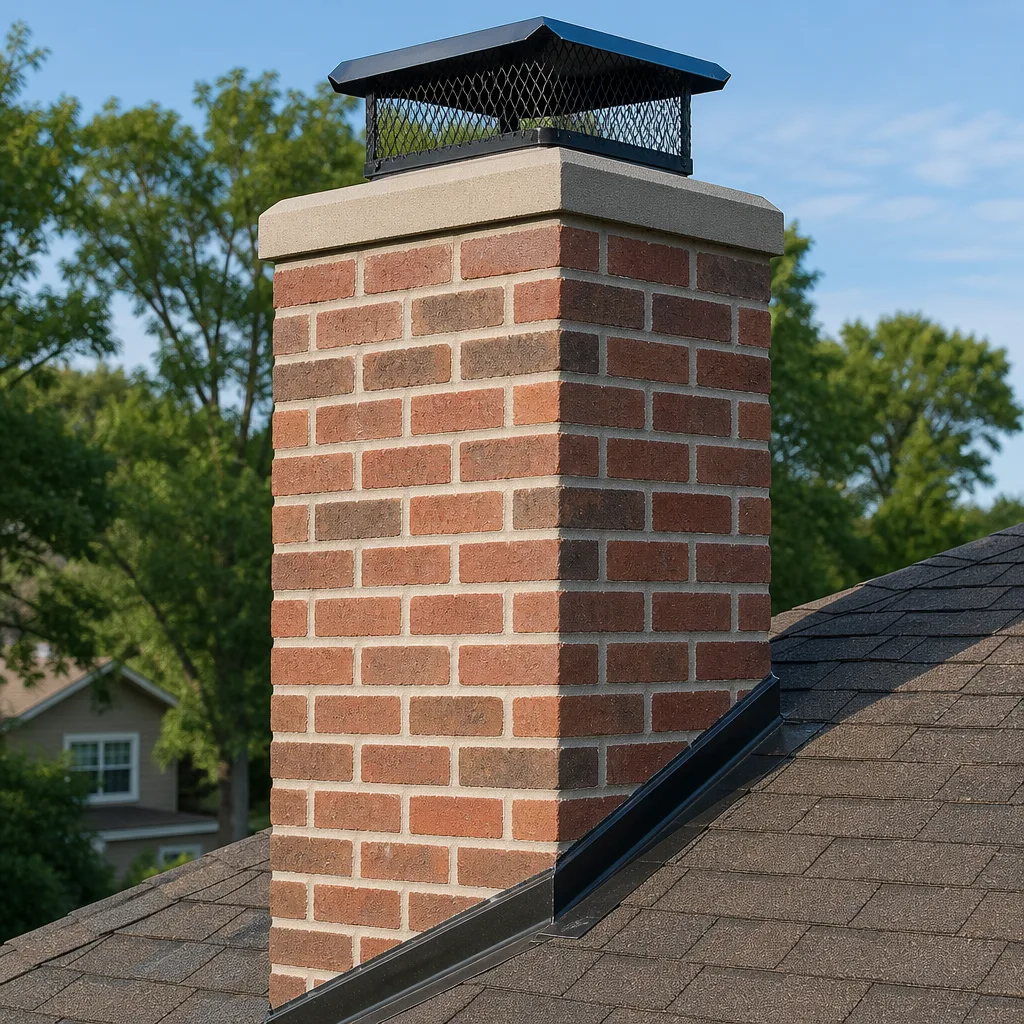 Masonry repair
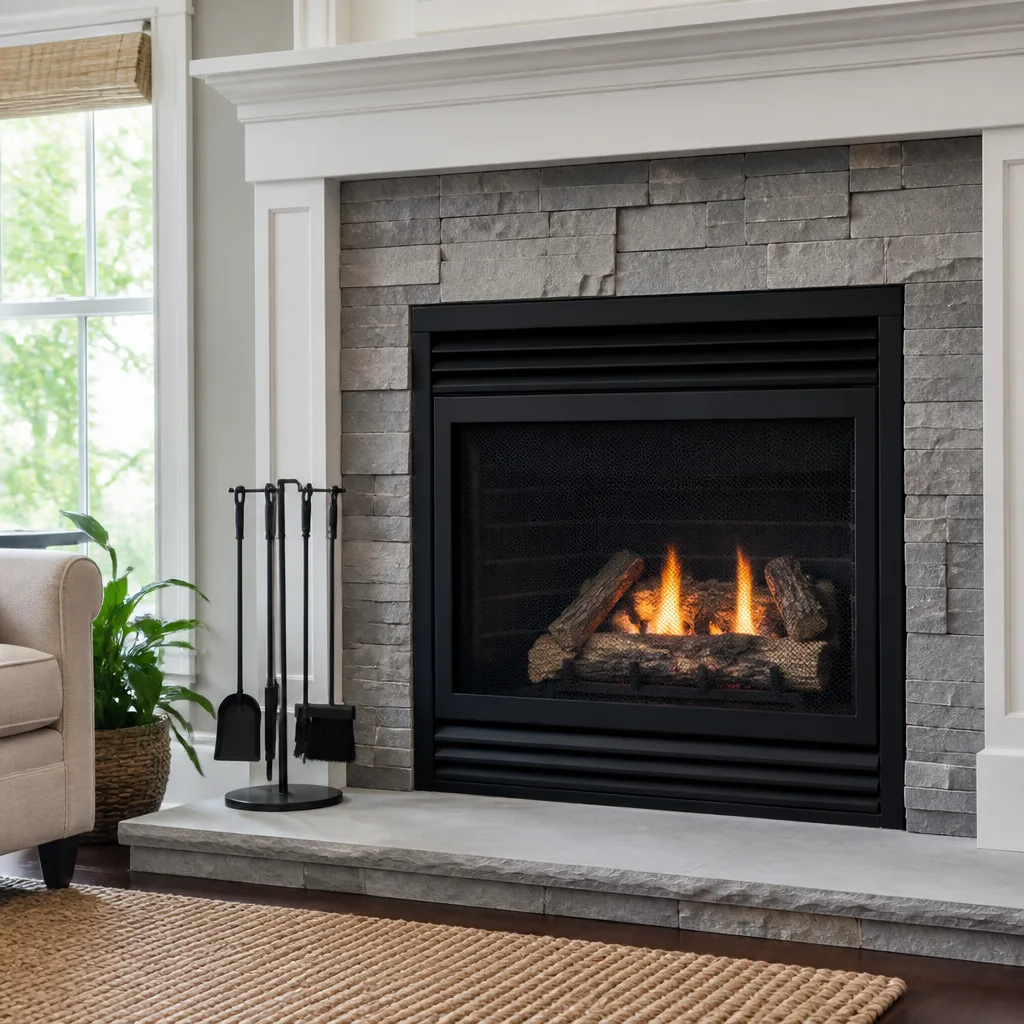 Gas fireplace service
Level 1 sweep and inspection to the NFPA 211 annual standard - flue, crown, cap, and flashing checked and photographed
Chimney sweep logs do not sweep chimneys. They loosen some creosote - which then falls where a brush and vacuum still have to collect it.
Choosing the Right Chimney Cleaning Brand: A Buyer’s Guide for Panorama City
A chimney cap is a chimney cap, until it isn’t. A stamped steel cap from a home improvement store and a stainless Gelco cap may look identical in a quote, but one is rated for decades in exposed outdoor conditions and one isn’t. The quote won’t tell you which is which. This guide walks Panorama City homeowners through the professional-grade brands that actually hold up in our climate, what to ask for in writing before work begins, and how to verify that what you paid for is what got installed. For The Complete Chimney Sweep Guide for Panorama City Homeowners with additional detail, see our dedicated resource. If you’ve ever wondered why one sweep’s estimate is $89 and another’s is $300, the answer usually lives in the materials list.
Quick Answer
The right chimney cleaning “brand” isn’t the company name on the truck, it’s the product lineup the company uses. Professional-grade brands like HeatShield, Gelco, Famco, Copperfield, and Olympia Chimney are engineered for long-term fire safety and weather exposure, while generic hardware-store parts get swapped out far sooner. When you compare chimney services in Panorama City, ask for the make, model, and material rating of every component before you authorize the job. Our Complete Guide to Chimney Cleaning in Panorama City explains what those ratings mean in practice.
Styles & brands we work with
- Sweep & inspection
- Caps & crowns
- Flue relining
- Masonry repair
- Gas fireplace service
Table of Contents
- Why Product Specification Matters More Than Labor Cost
- Caps and Covers: Gelco, Famco, and the $30 Mistake
- Liner Systems: DuraFlex and Copperfield vs. Generic Flex Pipe
- HeatShield Resurfacing: Restoration Before Replacement
- Sealants and Waterproofing: Why Consumer Sprays Fail
- Creosote Treatments: What Actually Loosens Stage 3 Glaze
- How to Verify Materials on the Contract and After the Job
- Common Mistakes to Avoid
- When to Call a Professional
- Frequently Asked Questions
Why Product Specification Matters More Than Labor Cost
Chimney cleaning is not just about the brushing. Panorama City homeowners sit between two forces: marine air pushing in from the Pacific, and the San Fernando Valley’s dry, hot summers. That combination does specific things to chimney components. Galvanized steel rusts faster here than it does in Santa Monica because the moisture cycles alternate with 100-degree stretches that bake off protective coatings. Stainless steel, when specified correctly, holds up. Cheap zinc-coated hardware doesn’t.
When a contractor gives you a quote, most homeowners look at two numbers: labor and total price. But the labor to install a chimney cap takes about twenty minutes whether the cap costs $28 or $180. The difference is in what happens in year three. A low-bid operator installing hardware-store caps will be back in year three to replace it, and you’ll pay for the labor again. A contractor who sources from Famco or Gelco installs a component built for commercial building codes, not a weekend project.
We’ve seen the same dynamic with liner repairs, crown sealants, and creosote removers. The product category matters because it determines how long the fix lasts and whether the chimney actually performs safely between service calls. Panorama City homes built in the 1950s and 1960s, which make up a large share of our housing stock, were originally constructed with clay tile liners. Those liners crack. What you replace them with, or whether you restore them in place, changes both the cost and the lifespan by a factor of three or more.
Caps and Covers: Gelco, Famco, and the $30 Mistake
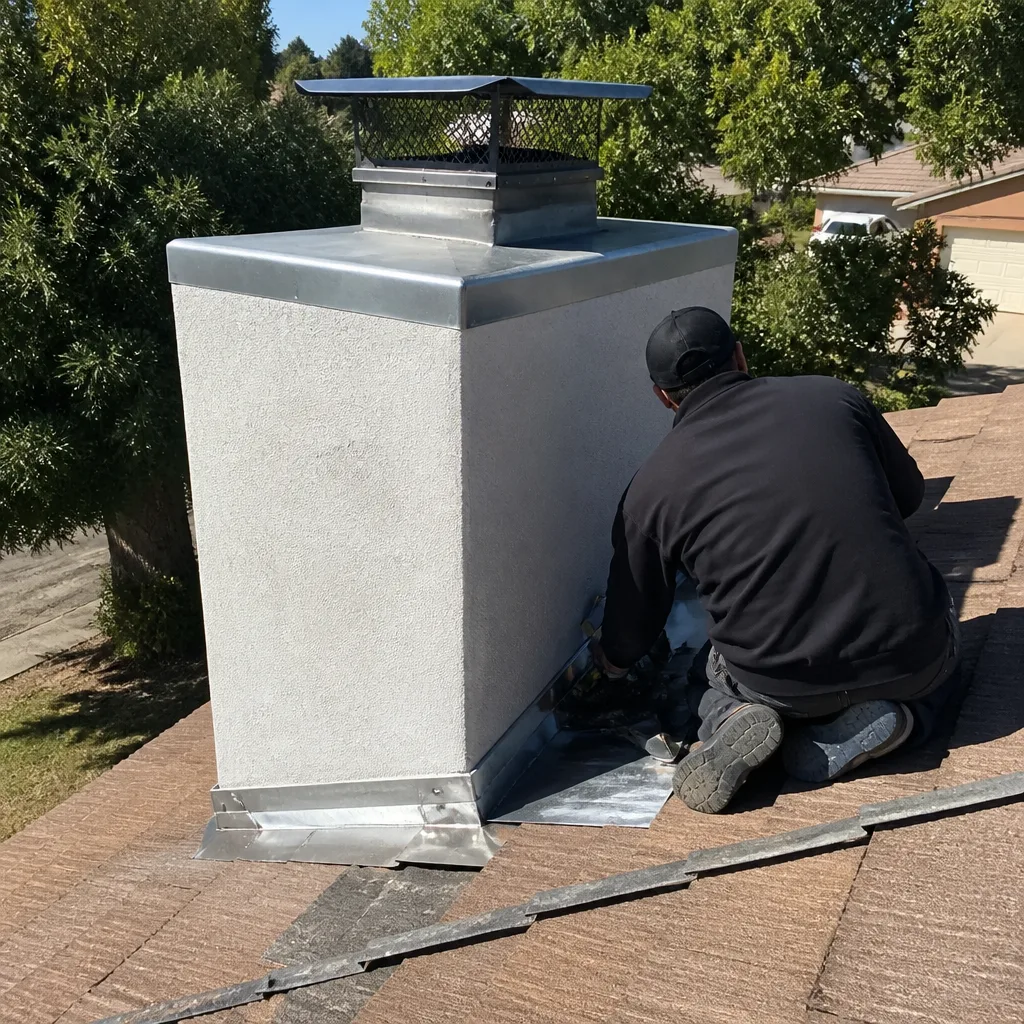
A chimney cap does three jobs. It keeps rain out of the flue. It blocks birds and rodents from nesting. It contains sparks from an open wood fire. When a $30 hardware-store cap fails on any one of those jobs, the result is either water damage inside the chimney or an animal problem that costs more to fix than the cap did to buy.
Gelco and Famco both manufacture caps for the professional supply market. These are not sold at home improvement centers. The differences come down to material gauge, mesh construction, and how the cap attaches to the flue tile or pipe. A Gelco cap for a standard masonry chimney uses a stainless steel hood with a heavier gauge than the import caps you’ll find on a shelf in Panorama City. The mesh is welded, not clipped, meaning it survives a San Fernando Valley windstorm without rattling loose. Famco caps are commonly specified for gas chimneys and manufactured in sizes that fit standard terracotta flue dimensions precisely, which matters because a cap that’s half an inch too small gets caulked into place. Caulk fails. A correctly sized cap doesn’t need it.
When you’re comparing chimney sweep estimates in Panorama City, one of the first questions to ask is whose cap they’re installing. If the answer is “whatever’s on the truck,” you’re paying retail quality at a professional labor price. If the answer is Gelco or Famco, you’re getting a component that a supply house would stock for a commercial contractor. The price difference on the install is often under $100. The lifespan difference is measured in decades.
Water intrusion through a failed cap is the single most common trigger for larger chimney repairs. In Panorama City, we see it after every rainy season. A missing or rusted cap lets water pool at the firebox floor, which then soaks into the masonry and wicks upward through the brick. By the time a homeowner notices the staining, the crown and the top several courses of brick often need work too. A $180 Gelco cap installed now prevents a $2,000 crown rebuild two winters from now.
Liner Systems: DuraFlex and Copperfield vs. Generic Flex Pipe
Chimney liners are not all the same product. The flue liner is the wall between the fire and the inside of your house. For gas appliances, it routes combustion exhaust safely upward. For wood-burning fireplaces, it contains creosote buildup and heat transfer. When a liner fails, the chimney is out of commission until it’s replaced or restored.
DuraFlex and Copperfield are two professional trade brands that supply stainless steel liner systems to chimney contractors. These are not the flexible aluminum dryer-vent pipes you’d find at a big-box retailer. DuraFlex liners are built for continuous gas and oil flue applications and also come in heavier gauge options for wood burning. The alloy matters. Professional-grade liners use stainless such as 316Ti or equivalent, which resists the corrosive byproducts of combustion far longer than standard stainless. Copperfield manufactures additional venting components, including listed caps and connectors that mate to the liner system correctly.
The problem with generic flex pipe isn’t that it looks different, it’s that it fails under conditions that a listed liner handles routinely. Heat cycles from a wood-burning fireplace in Panorama City can push flue gas temperatures into a range where thin-wall flex pipe expands, contracts, and eventually splits at the seams. A split liner leaks combustion gas into the chase cavity or the wall space. That’s how chimney fires start, and it’s how carbon monoxide finds its way into living spaces.
If your contractor quotes a liner replacement, ask for the liner brand and the model number. The answer should be something like “DuraFlex 316Ti single wall” or “Copperfield listed flex liner,” not “stainless flex.” A contractor who can’t name the product they’re installing is almost certainly sourcing from a retail channel at a lower grade. This is one of the clearest places to separate a professional chimney company from a generalist. Our Chimney Repair in Panorama City page details when liner replacement is actually necessary and what options exist.
HeatShield Resurfacing: Restoration Before Replacement
HeatShield is a specific technology, not a generic patch material. It’s an engineered cerfractory sealant system designed to resurface the inside of deteriorated clay tile liners without removing the original structure. The product is applied through a foam-like delivery method or a joint repair system, depending on the condition of the liner, and it cures to rebuild a smooth flue surface. This matters because a full liner replacement in a Panorama City chimney often involves removing the old tile liner, which can require opening the masonry chase. That’s expensive.
HeatShield works by bonding to the existing clay tiles and filling gaps, cracks, and spalled areas. It restores the flue to a continuous interior surface so that combustion gases have a contained pathway again. For many homeowners, this is a cost-saving alternative to tearing out the old liner entirely. It’s also a product that the vast majority of chimney sweeps in the region don’t offer, because the application requires specific training and equipment from the manufacturer.
The decision between HeatShield restoration and full relining comes down to the condition of the original liner and what the chimney serves. A fireplace with moderate cracking in the upper flue is often a good candidate for HeatShield. A liner that has collapsed or separated significantly may need full replacement instead. The way to know is a camera inspection, not a visual guess from the rooftop. If a contractor recommends a liner replacement without showing you camera images of the damage, that’s a red flag. If they recommend HeatShield without a camera inspection, same red flag. The decision should be evidence-based every time.
In our experience, Panorama City homeowners often don’t know this option exists. They get quoted full liner replacement by one company, and then they’re surprised to learn that a restoration product could have extended the liner’s life at a fraction of the cost. That’s why product knowledge changes the economics of a repair. The homeowner who knows the HeatShield name can ask for it by name.
Sealants and Waterproofing: Why Consumer Sprays Fail
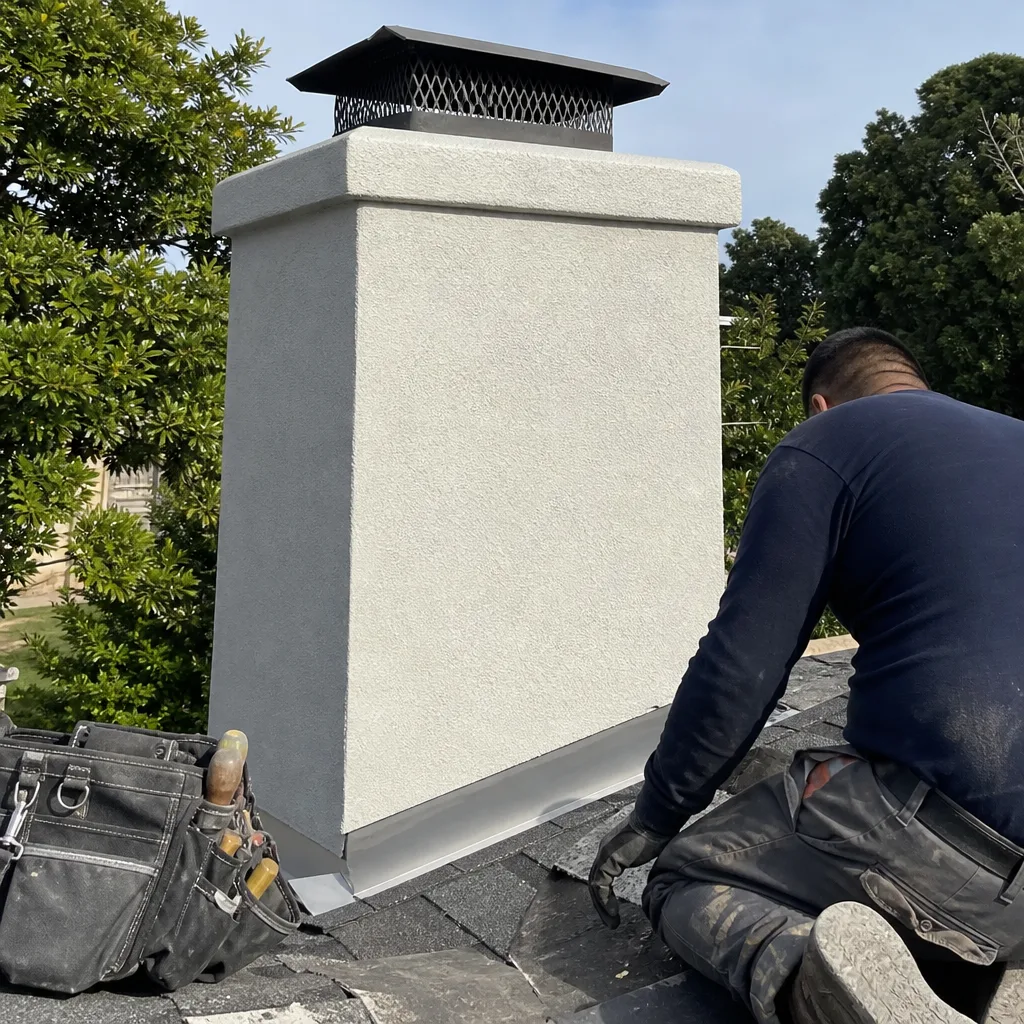
Chimney crowns and masonry take the brunt of Panorama City weather. Sun exposure, rain, and the Valley’s thermal swings work on the mortar joints all year. The standard defense is a professional-grade sealant applied to the crown and sometimes the upper brickwork. What a lot of homeowners don’t realize is that the $19 waterproofing spray sold at the hardware store is a completely different material than the siloxane-based or elastomeric compounds specified for chimney masonry.
Consumer waterproofing sprays are generally acrylic or silicone blends. They sit on the surface, and they degrade under UV exposure. After one or two San Fernando Valley summers, the surface coating starts to yellow, peel, or wash off. Worse, some of these products seal the brick so completely that they trap moisture inside the masonry, which then freezes or expands and causes spalling. A brick face popping off the chimney is the classic symptom two seasons later.
Professional chimney sealants are specified for masonry permeability. They allow the brick to breathe while still repelling liquid water. Products used by chimney contractors, including those from Olympia Chimney’s catalog, are designed for vertical chimney applications, not for patios or driveways. That distinction is the difference between a crown that sheds water properly and a patch job that fails right after the rainy season ends.
The labor to apply a crown sealant is not the expensive part. Prep work matters, sure, but the product cost difference between consumer spray and a professional masonry sealant is perhaps $40. What you’re really paying for is the knowledge of which product to use on a chimney, and the fact that it’s applied at the right thickness with the right coverage. That’s why a contractor who specifies the product name in the quote is worth more than one who writes “seal crown – waterproofing.” The latter should prompt an immediate follow-up: which product, exactly?
Creosote Treatments: What Actually Loosens Stage 3 Glaze
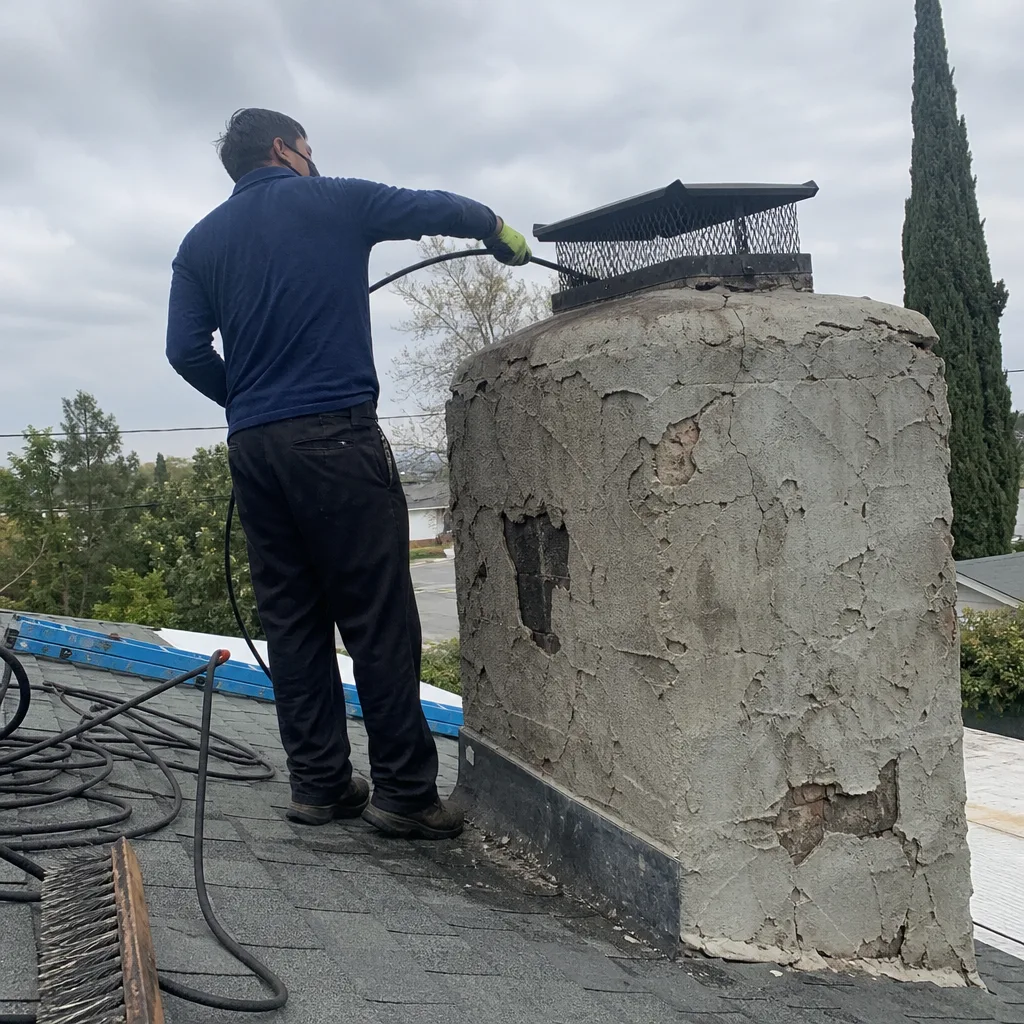
Creosote forms in layers. Stage 1 is a light soot that brushes out easily. Stage 2 is flaky and granular. Stage 3 is a hard, glazed deposit that adheres to the flue wall like tar baked onto porcelain. Stage 3 is the fuel for chimney fires. It does not brush out with a standard sweeping. It requires chemical treatment, rotary power cleaning, or both.
Professional creosote treatments used by qualified chimney sweeps are not the same as the “creosote sweeping logs” you can buy at the supermarket. Those logs contain a chemical that changes the combustion temperature slightly and may loosen some Stage 1 buildup over repeated use. They will not remove Stage 3 glaze. They also won’t replace a mechanical sweeping. Heating the flue without first inspecting it is a gamble, especially in older Panorama City homes where the liner condition is unknown. See our DIY vs Professional Chimney Cleaning: The Panorama City Homeowner’s Decision Guide for a full breakdown of the risks.
Professional anti-creosote products are typically applied as a liquid or powder after a mechanical cleaning, and they’re designed to transform future creosote deposits so they brush off more easily at the next service. Some are used as a pretreatment before rotary cleaning to soften the glaze enough for the chains to remove it. The brand matters less for creosote treatment than the method does, but reputable chimney product lines from Olympia Chimney and other supply-house manufacturers include professional treatments that aren’t sold in retail stores.
For the homeowner, the practical takeaway is this: if your chimney has Stage 3 creosote, a chemical treatment alone won’t fix it, and a sweeping log definitely won’t. The flue needs mechanical cleaning with rotary tools, and the technician should be able to explain what stage of creosote they found before and after. If a sweep can’t tell you what stage of creosote you have, they likely haven’t actually looked at it. Our Chimney Sweep in Panorama City page covers what a standard sweep includes and when a rotary cleaning is called for.
How to Verify Materials on the Contract and After the Job
You can ask for brand names. But how do you know the contractor actually installs what they say? The honest answer is that documentation is the only reliable verification method, and reputable chimney companies won’t flinch when you ask for it.
Here’s a step-by-step process we recommend to Panorama City homeowners before authorizing any chimney repair or restoration.
- Ask for product names in writing. The quote should specify more than “new chimney cap.” It should say “Famco model RC-10 stainless cap” or “Gelco stainless multi-flue cap.” If the contractor resists, that’s an answer in itself.
- Request the manufacturer’s data sheet. Professional-grade components ship with specification sheets that list material grades, dimensions, and testing standards. A supply-house brand will have these; a hardware-store product may not. The contractor can email you the PDF before work begins.
- Ask to see the product before installation. Legitimate contractors don’t mind showing you the cap, liner section, or sealant container they’re about to install. Check that the brand on the label matches the quote.
- Request photos during the job. For liner work, this is non-negotiable. A camera inspection before and after the liner goes in should be standard. If the contractor says they can’t photograph the flue interior, they either don’t have the right equipment or they don’t want the evidence available to you.
- Keep the model and serial numbers. After the job, the service report should list what was installed with product identifiers. This is what protects your warranty claim if something fails in year two.
In Panorama City, we regularly hear from homeowners who paid for a liner repair and received a generic flex pipe that didn’t match the quote. The time to verify is before the system gets closed up, not two years later when the chimney starts smoking back into the living room. A contractor who specifies products from trade lines like Copperfield, DuraFlex, or HeatShield will have a paper trail. A contractor using whatever’s on the shelf at the hardware store will not.
Common Mistakes to Avoid
- Picking the lowest bid without comparing product lists. A $79 sweep that uses a generic brush and no camera is not cheaper than a $249 sweep that includes a full inspection and product-grade components. You’re just paying for half a service.
- Accepting “new cap” without a brand name. The line item is meaningless. Ask for the manufacturer and model. If the contractor can’t provide it, walk.
- Using consumer waterproofing spray on chimney masonry. Two seasons of Panorama City sun and thermal cycles will fail most retail products. Then you’ll pay for proper sealing anyway, plus whatever water damage occurred in the interim.
- Burning creosote sweeping logs instead of scheduling a sweep. These products don’t remove Stage 3 glaze, and they create a false sense of security. There’s no substitute for a brush and a camera.
- Not requesting a camera inspection before agreeing to liner work. Liner replacement is a major expense. If someone recommends it without showing you the inside of the flue, get a second opinion first.
- Assuming all stainless steel is the same alloy. It isn’t. The grade matters for heat tolerance and corrosion resistance. Professional liner systems specify their alloy. Hardware-store flex pipe seldom does.
When to Call a Professional
If you’ve recently bought a home in Panorama City and don’t know when the chimney was last inspected, call before the first fire of the season. If you notice a rust streak on the chimney exterior, water staining near the firebox, or a smell coming from the flue when the wind shifts, those are signs that a component has already failed. Do not wait. Water damage and creosote buildup compound quickly in the Valley’s dry heat. Browse our more guides & resources to stay ahead of seasonal maintenance. The time to catch a cracked crown or a rusted cap is before the winter rains, not after. Chimney Sweep Panorama City offers free estimates in Panorama City, call (866) 632-1828.
Frequently Asked Questions
Look for professional trade brands like HeatShield for liner restoration, Gelco and Famco for caps and covers, DuraFlex and Copperfield for liner systems, and Olympia Chimney for sealants and masonry products. These are supply-house brands used by commercial contractors, not hardware-store substitutes. A contractor who can discuss these fluently is sourcing from professional channels.
Ask for the make, model, and material rating of every component before the job begins. A legitimate contractor will provide this in writing. If “whatever’s on the truck” is the answer, you’re paying professional labor prices for retail-grade parts.
HeatShield resurfacing restores the interior of an existing clay tile liner without removing the original structure, often at a fraction of full relining cost. Full liner replacement involves tearing out the old liner and installing new pipe. The right option depends on the condition of your flue, which a camera inspection determines.
Yes. Panorama City’s combination of Valley heat and rainy-season moisture causes cheap galvanized caps to rust within a few seasons. A Stainless Gelco or Famco cap is built for decades of outdoor exposure and won’t need replacement in three years.
Annual sweeping is the standard for a fireplace that sees regular use. Even if you burn only occasionally, an annual inspection catches moisture damage and cap issues before they expand. Our Chimney Sweep in Panorama City page covers what a standard appointment includes.
No. Dryer vent cleaning requires different tools and techniques specific to the narrower vent diameter and lint composition. We treat dryer vent cleaning as a separate fire-safety service, which is why our Dryer Vent Cleaning in Panorama City page covers it independently from chimney work.
A standard sweeping requires professional brushes sized to your flue dimensions, and more importantly, a camera inspection to verify the result. Store-bought creosote logs and retail brushes won’t remove Stage 3 glaze or identify liner damage. Skip the gamble. Call a professional service instead.
The Bottom Line
The chimney cleaning “brand” that matters is the one on the materials, not the sign on the van. In Panorama City, where our climate punishes cheap components faster than most homeowners expect, product specification is the dividing line between a repair that lasts and one you’ll pay for again in three years. Ask for brand names in writing. Ask for camera evidence. Ask what grade of stainless is going into your flue. And if the contractor can’t answer, you’ve learned everything you need to know. For homeowners who want it done right the first time, see the Chimney Sweep Panorama City home page or call (866) 632-1828 for a free estimate.
Written by the team at Chimney Sweep Panorama City, serving Panorama City since 2011.
See the difference
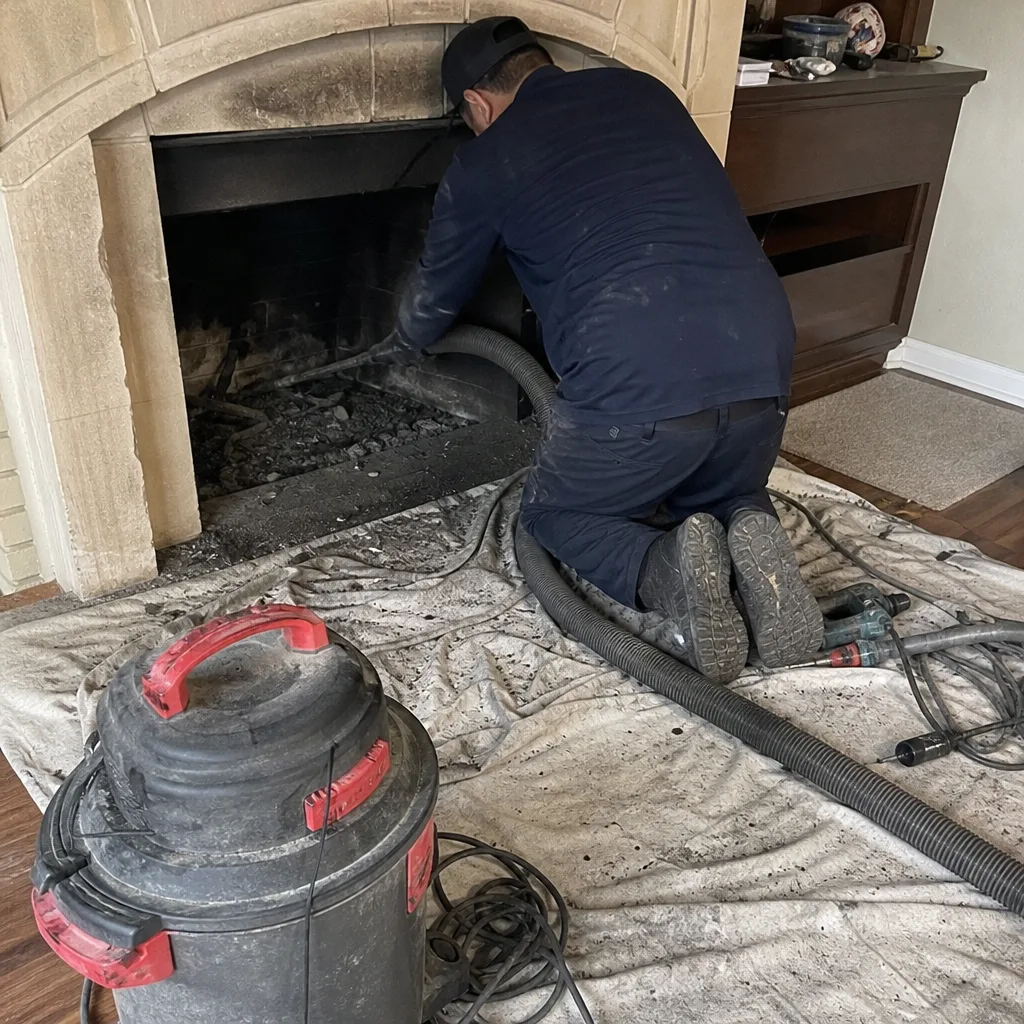 Before
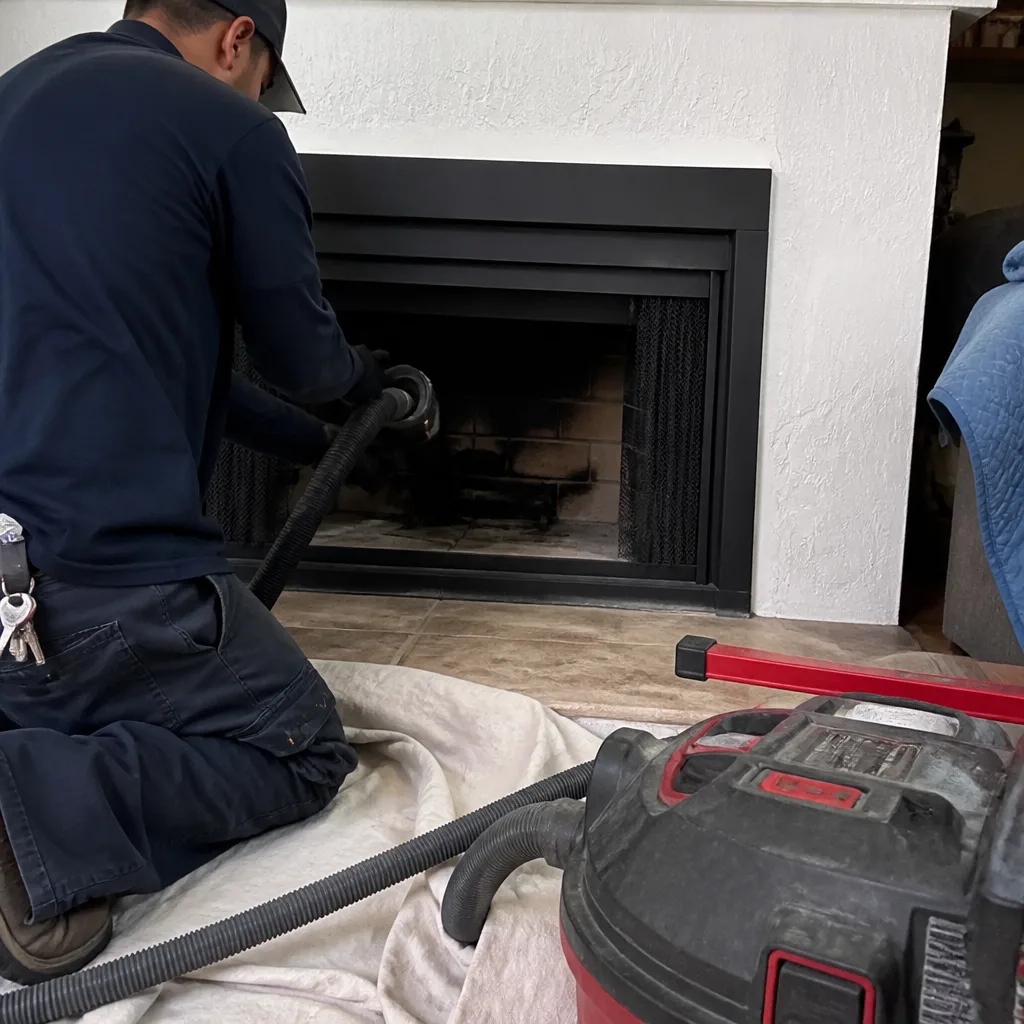 After
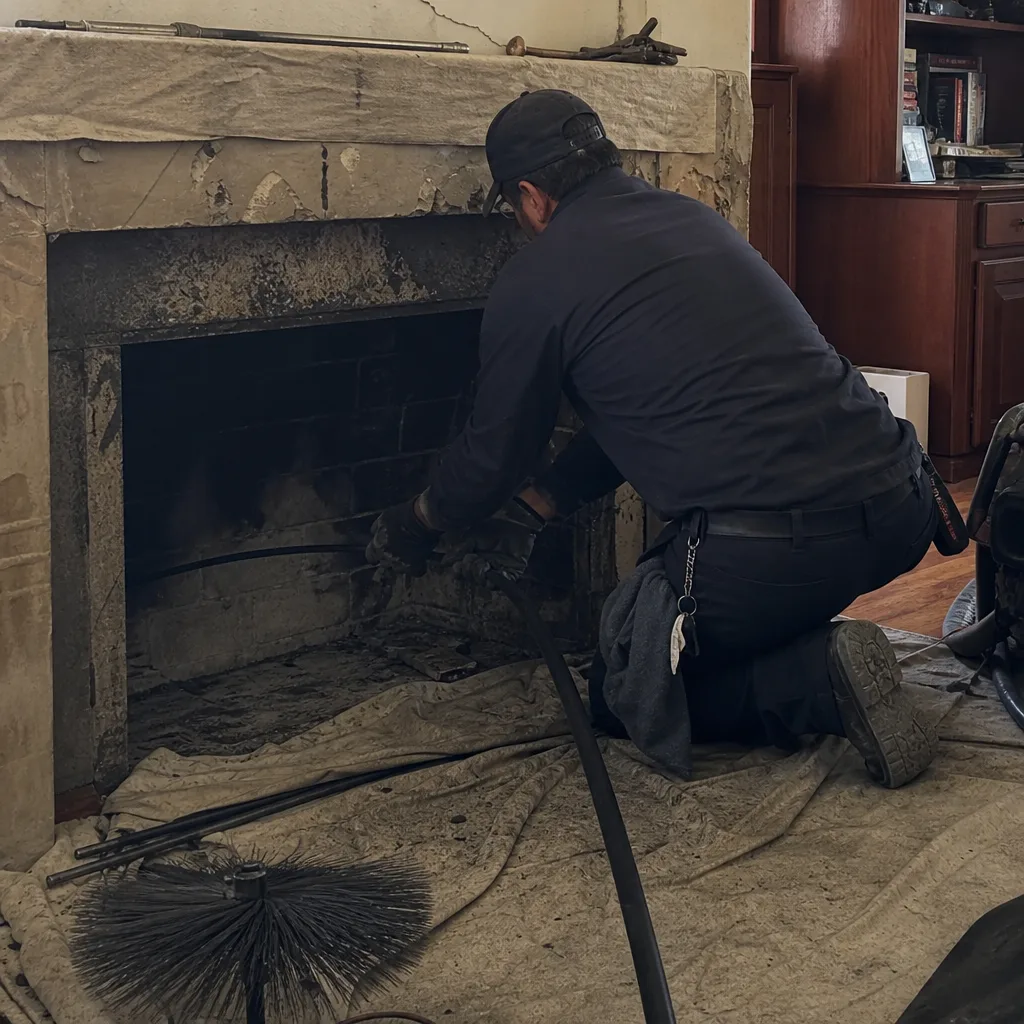 Before
 After
 Before
 After