
Last updated November 2, 2026
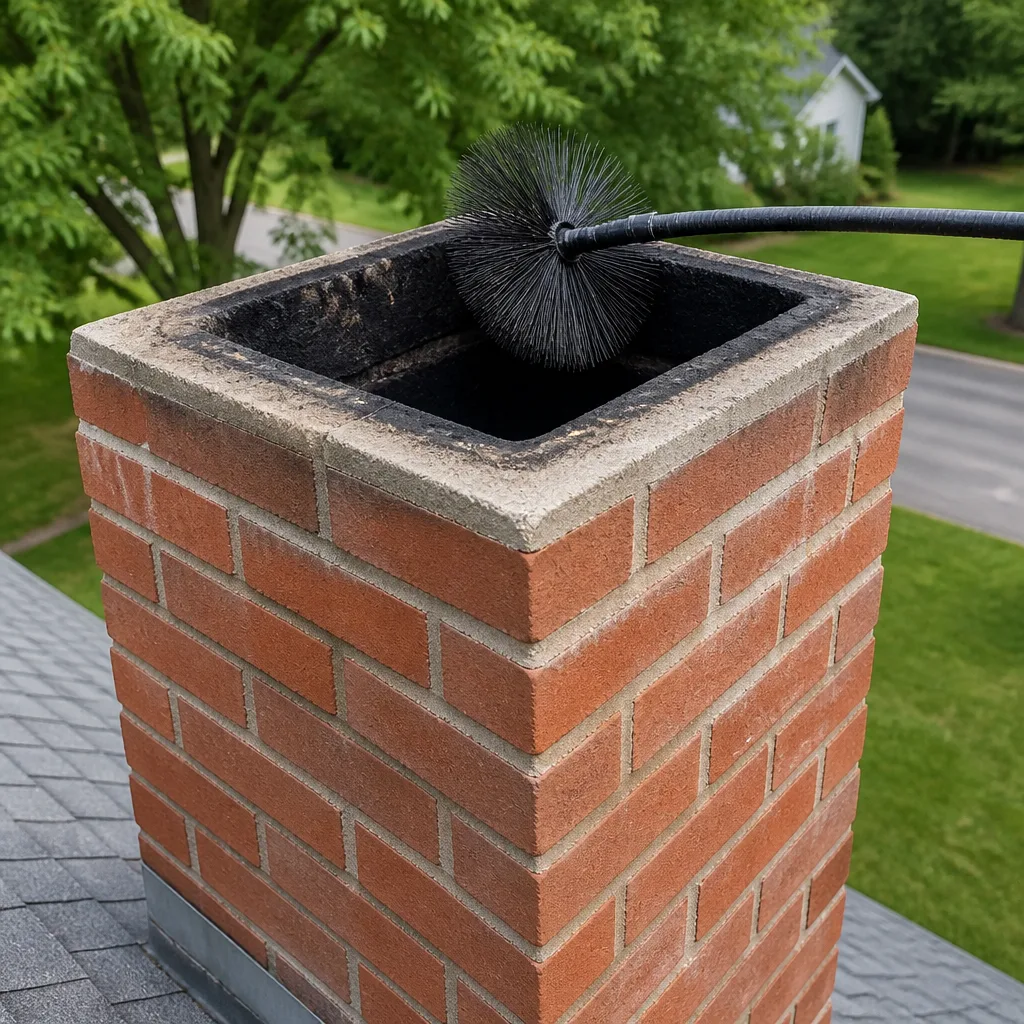 Sweep & inspection
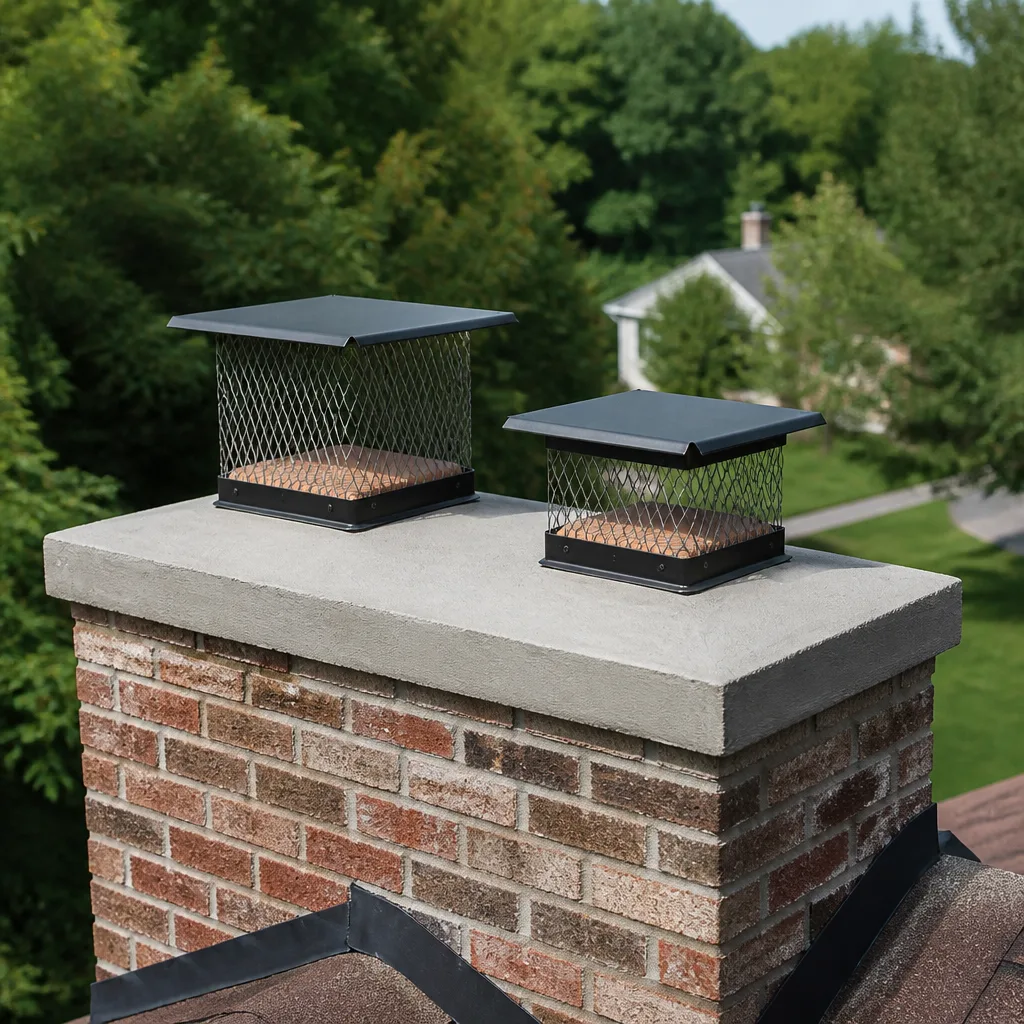 Caps & crowns
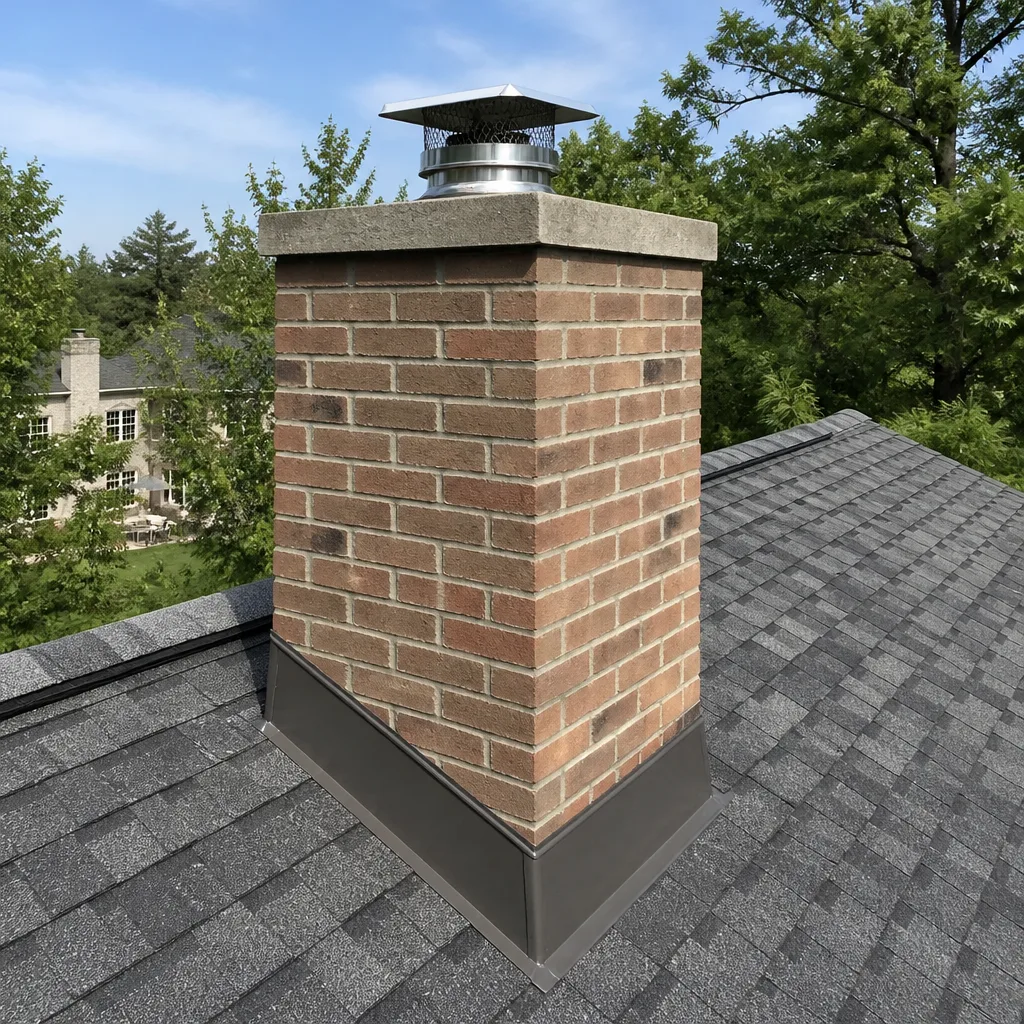 Flue relining
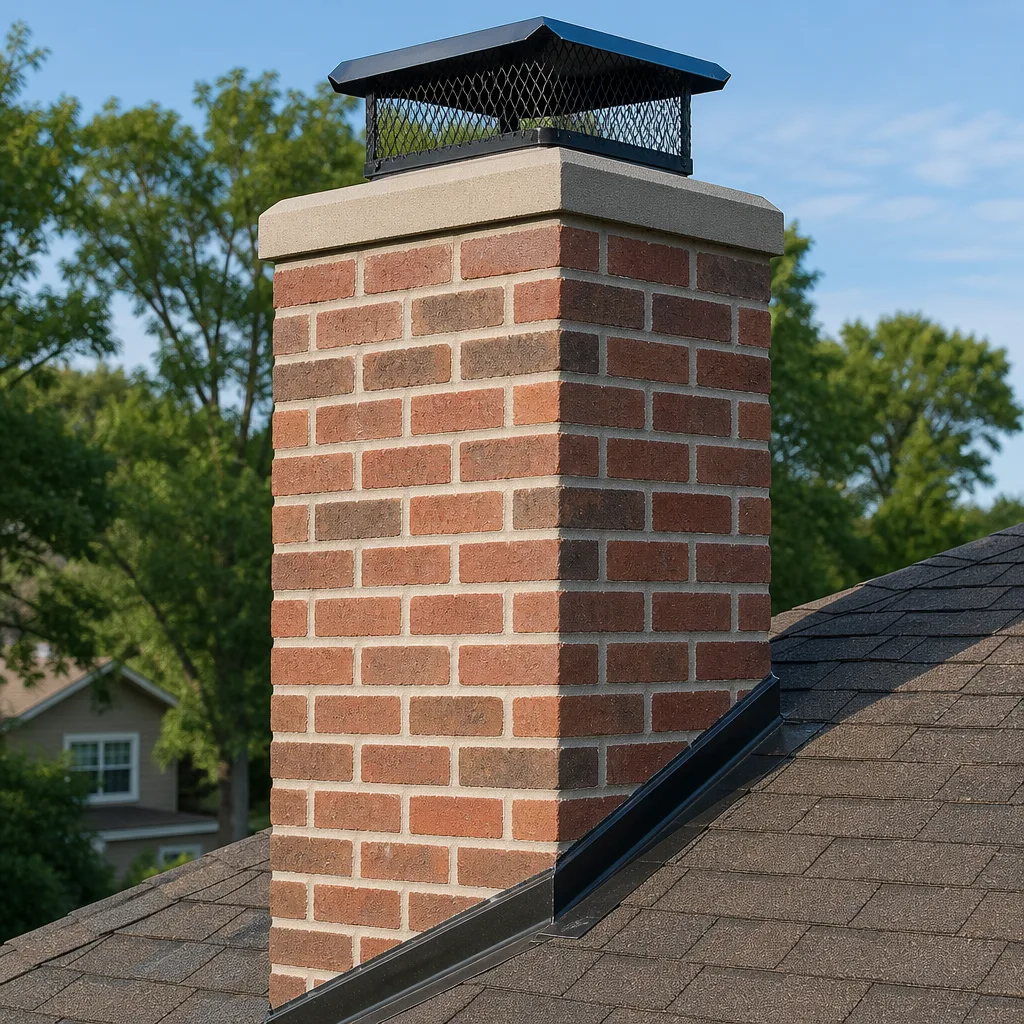 Masonry repair
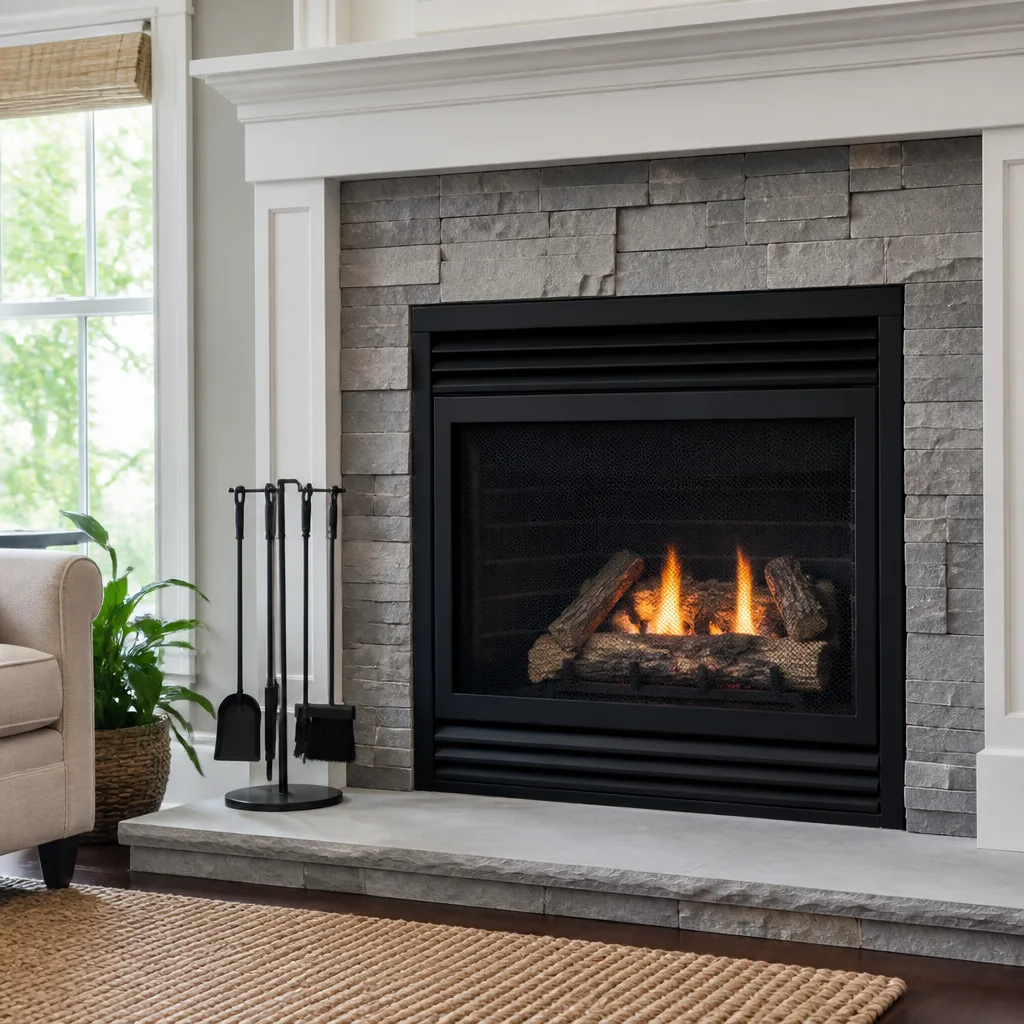 Gas fireplace service
Level 1 sweep and inspection to the NFPA 211 annual standard - flue, crown, cap, and flashing checked and photographed
Chimney sweep logs do not sweep chimneys. They loosen some creosote - which then falls where a brush and vacuum still have to collect it.
Chimney Cleaning Emergency Preparedness Guide for Panorama City Homes
A chimney fire doesn’t always sound like a house fire. Many burn contained inside the flue with a low roar that homeowners mistake for strong draft. By the time they smell smoke, the liner has already been compromised. This guide covers what Panorama City homeowners need to know before an emergency happens: how to identify a chimney fire while it’s burning, what to do in the first sixty seconds, how carbon monoxide intrusion presents itself in tightly weatherized San Fernando Valley homes, and the specific post-event inspection that NFPA 211 requires before you light another fire. You’ll leave with a concrete plan, not general advice.
Styles & brands we work with
- Sweep & inspection
- Caps & crowns
- Flue relining
- Masonry repair
- Gas fireplace service
Quick Answer
A chimney emergency in Panorama City requires three things in order: stop the immediate danger, document what happened, and get a professional inspection before the next burn. Chimney fires are often invisible from outside and sound like a low rumble or roaring train inside the flue. Carbon monoxide intrusion from backdraft presents as headache, nausea, and drowsiness that improves when you leave the house. Every post-emergency chimney must be inspected to NFPA 211 Level II standards before use, regardless of whether you think the fire was minor.
Table of Contents
- How to Identify a Chimney Fire in Progress
- Immediate Steps: The First 60 Seconds of a Chimney Fire
- Carbon Monoxide Intrusion from Chimney Backdraft
- The Post-Fire Inspection: Why NFPA 211 Is Non-Negotiable
- Animal and Debris Blockages Mid-Season
- Building an Emergency Contact and Documentation Plan
- Common Mistakes to Avoid
- When to Call a Professional
- Frequently Asked Questions
- The Bottom Line
How to Identify a Chimney Fire in Progress
A chimney fire is combustion happening where it shouldn’t: inside the flue, fed by creosote buildup on the liner walls. The telltale signs are different from a house fire because the flames are contained within the chimney structure. A Chimney Sweep in Panorama City sees the aftermath of these events regularly, and the early warning signs are consistent across the San Fernando Valley.
Here is what an active chimney fire looks and sounds like from inside the house:
- A low, rumbling roar – often compared to a freight train or a jet engine at a distance. This is combustion air rushing up the flue while creosote burns.
- Loud cracking or popping – thermal expansion of the flue tile or metal liner as it heats beyond its rated temperature.
- Dense, dark smoke from the chimney top – thicker and darker than normal wood smoke, sometimes with visible flame above the cap.
- Vibration or shaking of the chimney structure – perceptible when you place a hand on the hearth or mantel.
- Embers or sparks exiting the top – visible at night from outside the home.
What happens during a chimney fire is straightforward in engineering terms. Creosote, which is unburned wood tar that condenses on the flue walls, is combustible. When internal flue temperatures reach roughly 1,000°F, it ignites. The fire then burns up the flue, and as it does, the liner expands. Clay tile liners crack. Stainless steel liners warp. Once the liner is compromised, the fire has a direct path to the home’s framing through even a small crack. In our work across Panorama City, we’ve seen chimney fires where the liner damage was severe while the homeowner’s only complaint was “the fireplace sounded strange one night.”
A chimney fire that burns itself out has not solved your problem. It has warned you of a problem that is now worse.
Immediate Steps: The First 60 Seconds of a Chimney Fire
The moment you recognize a chimney fire is burning, your actions determine whether it stays a contained flue fire or becomes a structure fire. The first step is not opening the damper, not adding water, and not waiting to see if it dies down.
Why Opening the Damper Wider Is the Wrong Instinct
The instinct to “let it breathe” or open the damper fully is understandable, but it’s the wrong move. A chimney fire already has all the air it needs. Heated gases are drafting naturally. Opening the damper wider increases airflow, feeds the fire more oxygen, and accelerates combustion. It also changes the pressure differential, which can draw flame and sparks further into the flue rather than containing them. The damper position should remain wherever it was when you identified the fire.
Here is what to do instead:
- Call 911 from inside or from a neighbor’s phone. Tell the dispatcher you have an active chimney fire, not a house fire. Panorama City first responders know the difference and will respond accordingly.
- Close the fireplace doors or glass screen. This limits oxygen at the firebox level. If you have a wood stove, close the air intake vents completely.
- Evacuate everyone from the home, including pets. Do not re-enter until the fire department tells you it’s safe.
- Do not use water. Water on a masonry firebox at 1,000°F causes thermal shock, which can crack the firebrick. Water on burning creosote creates steam that can carry burning particles into the living space.
- Leave the damper where it is. Do not touch it.
- If you can do so safely before leaving, move flammable items away from the fireplace hearth – rugs, wood racks, decorative items.
- Wait outside. Chimney fires can smolder in creosote layers even after the visible flames stop. The fire department will check for extension into the attic and walls using thermal imaging.
Assume the chimney is unusable until a professional has inspected it. After the fire department clears the scene, do not light another fire, do not use a gas starter, and do not burn even “just one small log.” The Chimney Repair in Panorama City inspection that follows is what determines whether the fireplace is safe to use again, and that inspection must happen before any further use.
Carbon Monoxide Intrusion from Chimney Backdraft
Carbon monoxide is different from smoke. It gives you no smell, no color, and no visible cue. The first warning system is your body, and by then, the exposure has already happened. Chimney backdraft is one of the most common sources of CO intrusion in Panorama City homes, and it’s more likely in the tightly weatherized houses common to the Valley, where windows stay closed, weatherstripping has been upgraded, and exhaust fans run often.
A backdraft happens when the pressure inside your home is lower than the pressure outside, reversing the direction of flue draft. Instead of pulling combustion gases up and out, the chimney pushes them down and into the living space. This is not a chimney fire, but it is a chimney emergency, and it can be fatal.
Symptoms of CO Exposure
- Headache – often described as a dull, frontal pressure that doesn’t respond to water or rest
- Nausea or vomiting
- Dizziness or lightheadedness
- Confusion, difficulty concentrating, short-term memory lapses
- Weakness or aching in the limbs
- Chest tightness or shortness of breath, especially in someone with a heart condition
- Drowsiness that comes on rapidly
The pattern that matters is this: symptoms appear when you’re home, improve when you leave, and return when you come back. That’s not a coincidence. Multiple family members affected at the same time strengthens the case. If you remove one person from the house and they improve, you have a ventilation problem more than a medical one.
Immediate Response to Suspected CO Intrusion
- Get everyone outside now. Do not finish whatever you’re doing, do not open windows and wait, do not search for the source. Leave.
- Call 911 from outside. Fire crews in Panorama City carry metering equipment that can measure CO levels inside the home and identify the source.
- Do not re-enter until the fire department has ventilated and cleared the house.
- Disable the appliance you suspect – a fireplace, furnace, water heater, or any combustion appliance – and have it inspected before reconnecting it.
- Install carbon monoxide detectors on every sleeping floor if you don’t already have them. California law requires CO detectors in single-family homes.
Why Tightly Weatherized Homes Are at Greater Risk
Modern homes are built to be efficient: better insulation, tighter windows, sealed attics. That efficiency has a consequence for combustion appliances. When you run a bathroom exhaust fan, range hood, or dryer vent, each of those pulls air out of the home. In a tightly sealed house with no makeup air supply, that creates negative pressure. A chimney becomes the path of least resistance for air to re-enter. If that air arrives through the flue, it brings combustion byproducts with it. This is a scenario we think about when cleaning and servicing chimneys and vents in Panorama City, where the housing stock is a mix of 1950s and 1960s construction that has often been retrofitted with new windows and doors without accounting for combustion air.
If you have a gas appliance vented through the same flue as a wood-burning fireplace, or if you notice a smell of “exhaust” near the fireplace after running the kitchen fan, that’s a backdraft indicator worth addressing. A professional chimney sweep in Panorama City can test draft pressure and identify where makeup air is missing.
The Post-Fire Inspection: Why NFPA 211 Is Non-Negotiable
NFPA 211 is the National Fire Protection Association standard for chimneys, fireplaces, vents, and solid fuel-burning appliances. It is not a suggestion. It is the document that defines whether a chimney is safe to use after an event, and every legitimate chimney professional works to it. After a chimney fire, NFPA 211 requires a Level II inspection before the fireplace or stove is used again.
The reasoning is straightforward: a chimney fire changes the structure of the flue even when the damage is not visible from outside. Creosote burns at temperatures that crack clay tile, separate mortar joints, warp steel liners, and can compromise the clearance between the flue and combustibles. None of that may be visible from the cleanout door or the firebox.
What a Level II Inspection Covers
- Video scanning of the entire flue interior – a camera is run up the chimney to look for cracks, gaps, spalling, or warping
- Accessible portions of the attic and crawlspace – checking for fire damage or heat transfer to framing members
- Masonry and structural review of the exterior chimney – looking for cracks, separations, or leaning
- Clearance verification – confirming that the distance between the flue exterior and any combustible material still meets code
- Damper, cap, and spark arrestor inspection – verifying these components still function after exposure to abnormal heat
The Level II inspection produces a report. You want that report. If your insurance company is involved after a chimney fire, that report is what they review. If you’re selling the home later, it demonstrates that the system was evaluated professionally. If the chimney is deemed safe, the report is the documentation. If it’s not safe, the report identifies exactly what must be repaired.
We perform these inspections as part of our repair work across Panorama City. When damage is found, the question becomes restoration versus replacement. HeatShield resurfacing technology, a ceramic coating applied to the flue interior, can restore compromised liner sections without a full rebuild in many cases. That’s the kind of option a Level II inspection reveals, and it’s the difference between a repair bill and a relining bill. The full-service team at our Chimney Sweep Panorama City home handles the inspection, the recommendation, and the repair in one sequence.
Animal and Debris Blockages Mid-Season
A blocked flue doesn’t always mean a chimney fire. Sometimes it means a birds nest dropped from the cap in March. Sometimes it means a raccoon found the chase cover. Panorama City’s warm winters mean animals are active in chimney systems year-round, not just during spring nesting. The issue matters because using a fireplace with a blocked or partially blocked flue sends smoke and carbon monoxide into the home instead of up the chimney.
How to Identify a Blocked Flue Before Lighting a Fire
- Cold air coming down the chimney – a strong downdraft you can feel at the firebox door or with a hand at the damper opening
- Debris in the firebox – twigs, leaves, nesting material, or animal droppings that have fallen from above
- Animal sounds – scratching, chirping, or movement in the flue, especially in early morning or evening
- The damper doesn’t open fully – obstruction prevents full movement of the damper plate
- Smoke smell from previous use never fully dissipated – indicating a partial blockage slowing exhaust
- Visible blockage from outside – nest material or a dead animal obstructing the cap, visible from the ground or roofline
What not to do: light a fire to “smoke out” whatever is up there. That can kill wildlife that then decomposes in your flue, which is a secondary problem you’ll smell for weeks. It can also ignite dried nesting material, which is a chimney fire waiting to happen.
If You Discover a Blockage During Use
- Extinguish the fire if you can do so safely. Close the glass doors or screen, close any air intake, and let the fire die rather than adding fuel.
- Do not open windows to “ventilate” smoke – if smoke is entering the living space, the problem is a draft reversal caused by the blockage. Windows change pressure but don’t unblock the flue.
- Evacuate if smoke is heavy or if anyone shows signs of CO exposure.
- Do not use the fireplace again until the flue is cleared and inspected.
- Call a professional. Removing an animal requires understanding of wildlife handling rules; removing a hardened creosote blockage requires the right tools. Neither is a DIY job.
Caps and covers are the first line of defense against animal entry, and the products we specify come from manufacturers like Famco, Copperfield, and Gelco – brands made to professional specification, not the generic fits sold at hardware stores. A correctly sized cap with an intact spark arrestor mesh prevents most animal entry before it starts. The Dryer Vent Cleaning in Panorama City service we provide operates on the same principle: blockages in venting systems are prevented with the right components and the right maintenance schedule, not waiting for a failure.
Building an Emergency Contact and Documentation Plan
The most effective emergency preparedness tool is a plan made before the emergency, not assembled in the middle of it. For Panorama City homeowners, that plan involves knowing who to call, what to tell them, and what documentation to have ready when the immediate danger has passed and the paperwork begins.
Who to Call and When
- 911 – any active chimney fire, any suspected carbon monoxide intrusion, any smoke you cannot account for.
- Your insurance company – after the fire department clears the scene and before any repair work begins. Take photos of the chimney exterior, firebox, and any visible damage before cleaning or demolition.
- A chimney professional – for the Level II inspection that must happen before the next use. Tell them it’s a post-fire inspection so they arrive prepared with video scanning equipment and the right assessment tools.
- A restoration contractor – if the chimney professional’s report indicates structural damage. Your insurance company may have a preferred vendor list, but you have the right to choose who performs the work.
What to Tell Each Party
For the fire department: that you have an active chimney fire, not a house fire, and whether you can see flames at the cap. For your insurance company: the date and time, what first alerted you, which fire crews responded, and whether anyone was injured. For the chimney professional: the approximate duration of the fire, whether you heard cracking or popping, whether the fire department used water on the chimney, and whether you have used the fireplace since.
Documentation to Keep
- Photos of the chimney exterior before and after the event
- Photos of the firebox, damper, and any debris that fell into the hearth
- A written timeline: when you noticed the fire, what you did, when crews arrived, when they left
- The fire department’s incident report number
- The Level II inspection report from your chimney professional
- Any repair estimates and final invoices
Insurance companies process chimney fire claims more smoothly when the homeowner can demonstrate that the chimney was maintained. Records from annual chimney sweeps in Panorama City are your evidence of maintenance. A chimney that was cleaned and inspected within the last 12 months stands in a different position than one with no service history.
Common Mistakes to Avoid
- Opening the damper wider during a chimney fire. This feeds the fire more oxygen and can accelerate combustion. The damper position should remain unchanged.
- Throwing water on a burning chimney. Thermal shock can crack firebrick and masonry. Water on burning creosote creates steam that carries embers into the house.
- Using the fireplace “one more time” after a chimney fire because it seemed minor. A chimney fire is never minor. Even a short burn can crack a liner and create a direct fire path to the home’s framing.
- Assuming a new house has a safe chimney. Panorama City has many homes from the 1950s and 1960s. Original clay tile liners can be cracked, deteriorated, or installed to outdated clearance standards. Age doesn’t guarantee problems, but it demands inspection.
- Ignoring the “roaring sound” because it stops. A chimney fire that burns itself out has still completed a full thermal cycle through your flue. The damage exists whether or not the fire department found active flame.
- Skipping carbon monoxide detectors because you “don’t use the fireplace that much.” CO intrusion happens during use. If you use the fireplace at all, you need detectors on every sleeping floor.
- Lighting a fire to clear an animal or debris from the flue. You’re creating a fire risk and potentially killing an animal that then decomposes in your chimney.
When to Call a Professional
After any chimney fire, you need a Level II inspection. No exceptions. If you’ve experienced carbon monoxide intrusion, you need a draft and venting assessment before the affected appliance is used again. If you suspect an animal or debris blockage, the flue needs to be inspected and cleared by someone with the right tools and knowledge. If your chimney has not been swept in the past year, that’s the maintenance step that prevents most of these emergencies from happening in the first place. If you have questions about the condition of your chimney or venting system, call us and describe what you’re seeing. Chimney Sweep Panorama City offers free estimates in Panorama City – call (866) 632-1828.
Frequently Asked Questions
A post-fire Level II inspection in Panorama City typically runs between $200 and $400 depending on the height of the chimney, access requirements, and whether the system has multiple flues. Video scanning is included in a proper Level II inspection. Call (866) 632-1828 for a quote specific to your home.
The NFPA standard is annual inspection and sweeping as needed for chimneys that see regular use. If you burn more than one cord of wood per season, sweep mid-season. A working fireplace in Panorama City used weekly through the winter should be cleaned once per year at minimum.
Not always. The Level II inspection tells you whether the liner is damaged and how severely. If the liner is intact but has minor surface deterioration, HeatShield resurfacing can restore the flue surface without full relining. If the liner is cracked, warped, or separated, replacement or structural repair is required.
Creosote builds up with every fire, and the rate depends on wood type, burn temperature, and frequency. A chimney fire becomes more likely as creosote thickness increases. A cracked liner from a previous undetected event can go unnoticed until a fire reaches the home’s framing. Delayed inspections transfer risk from the chimney system to the house.
No. If the chimney has experienced a fire, blockage, or CO event, the entire system is out of service until a professional clears it. Gas appliances vented through the same flue are included in that restriction.
Los Angeles building regulations apply to structural chimney work, and permits may be required for relining, rebuilding, or major masonry repair. A licensed chimney professional can tell you what’s needed for your specific job. Surface restoration products like HeatShield typically do not require permits, but structural work often does.
The Bottom Line
Chimney emergencies in Panorama City are manageable when you know what you’re responding to. A chimney fire sounds like a roar, not a crackle. Opening the damper is the wrong move. Carbon monoxide backdraft mimics flu symptoms and kills without a smell. After any event, NFPA 211 requires a Level II inspection, and the report from that inspection becomes the document that guides every next step. Blockages are prevented with professional caps and regular maintenance. The cheapest way to handle a chimney emergency is to prevent it with an annual sweep, and the most expensive way is to burn through a liner and then discover the framing was next. Call (866) 632-1828 for a free estimate in Panorama City.
Written by the team at Chimney Sweep Panorama City, serving Panorama City since 2011.
See the difference
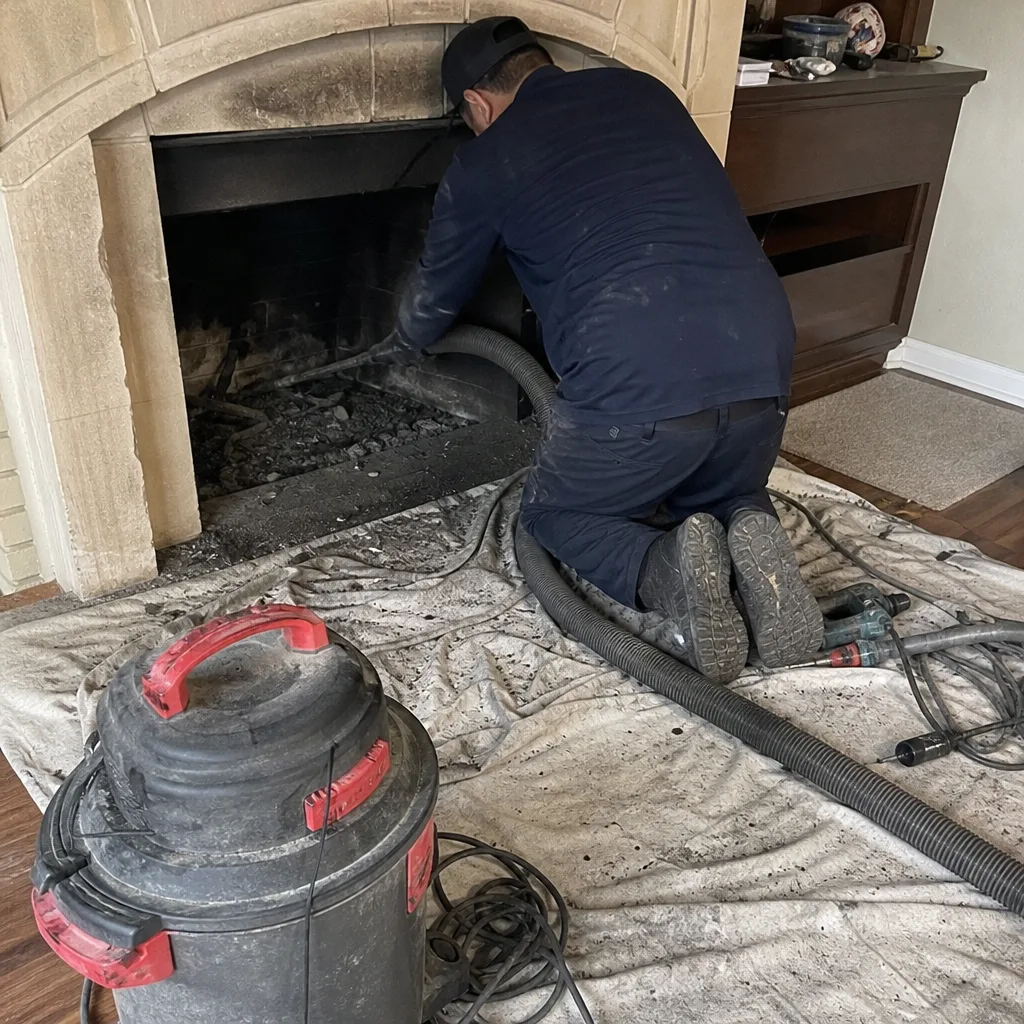 Before
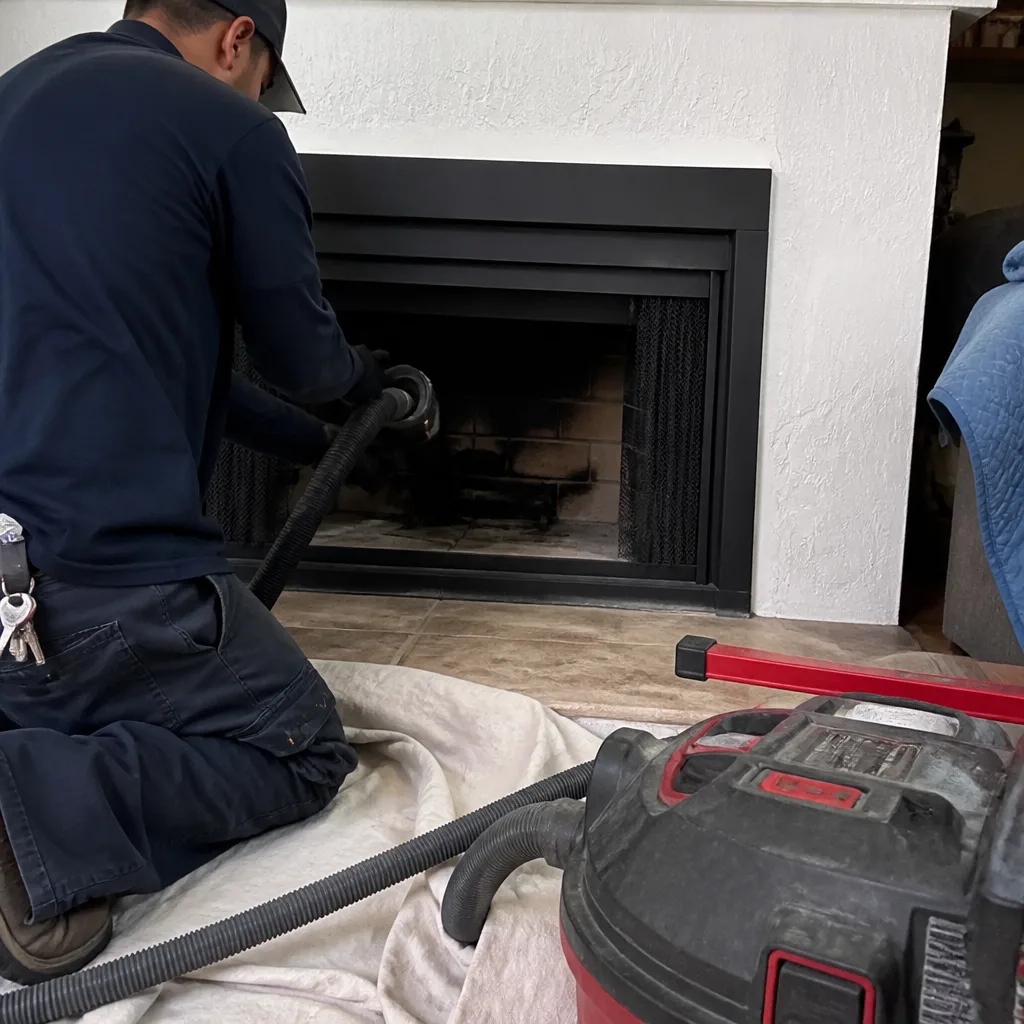 After
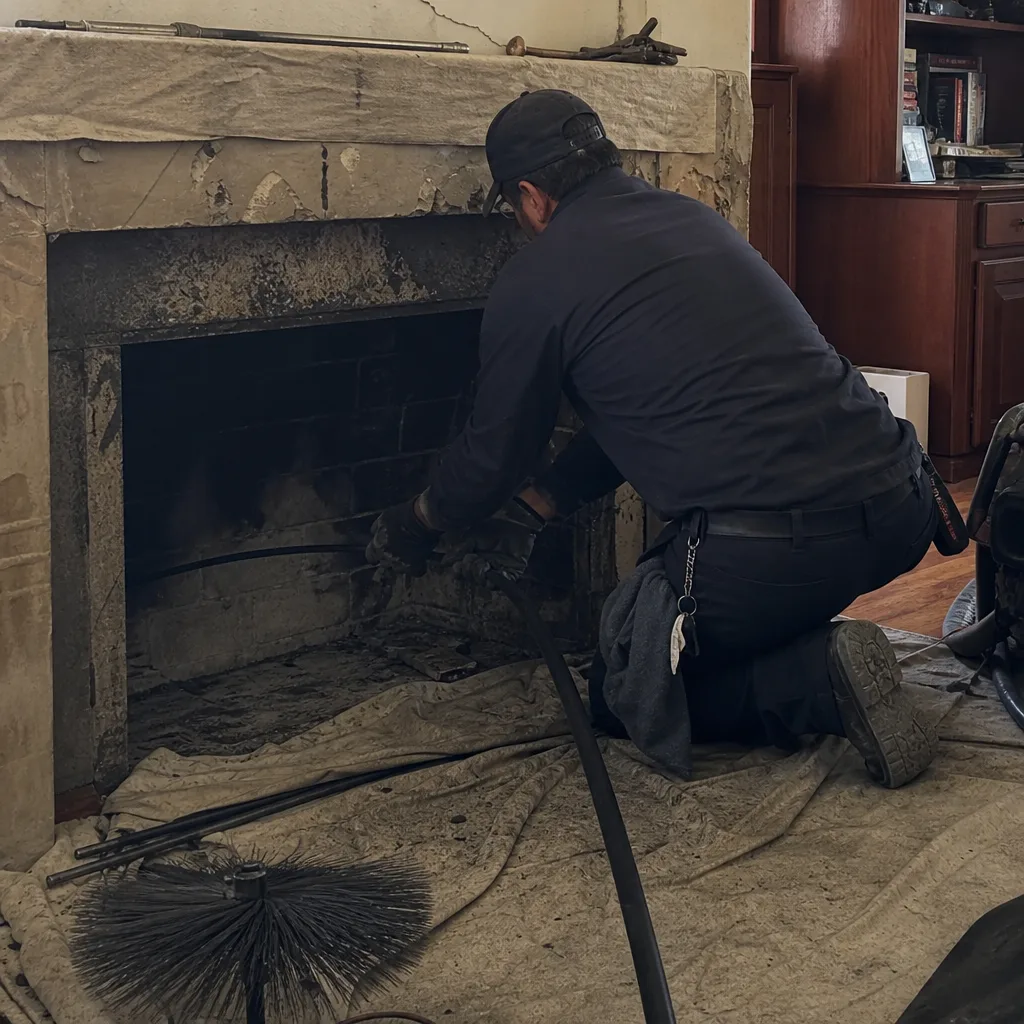 Before
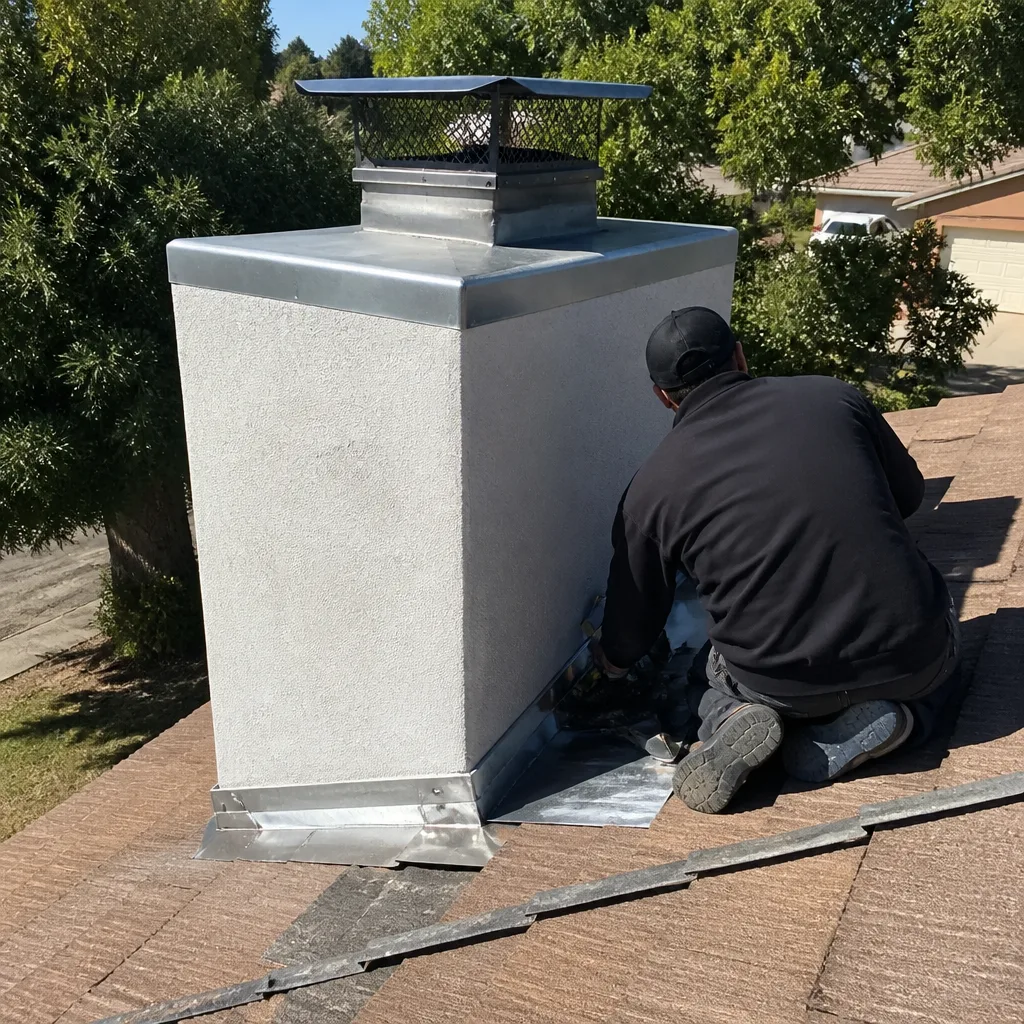 After
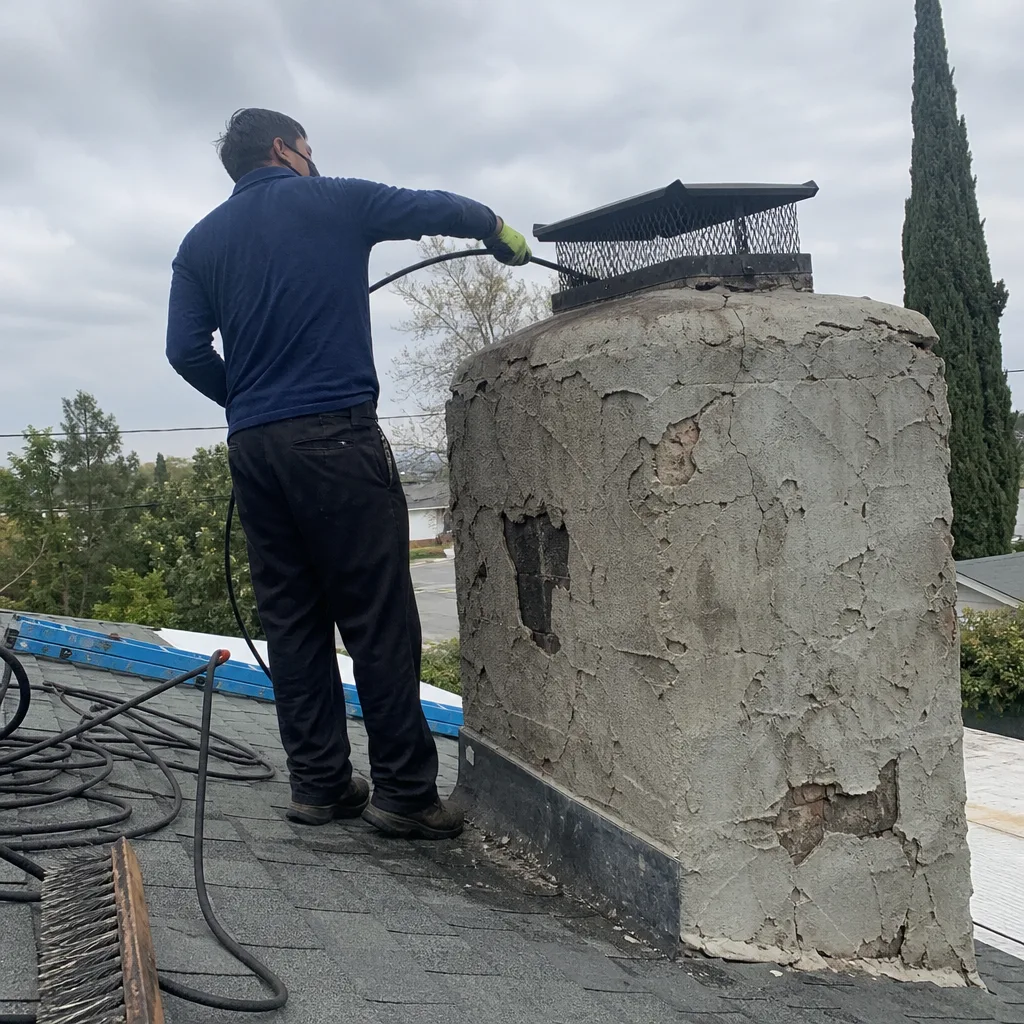 Before
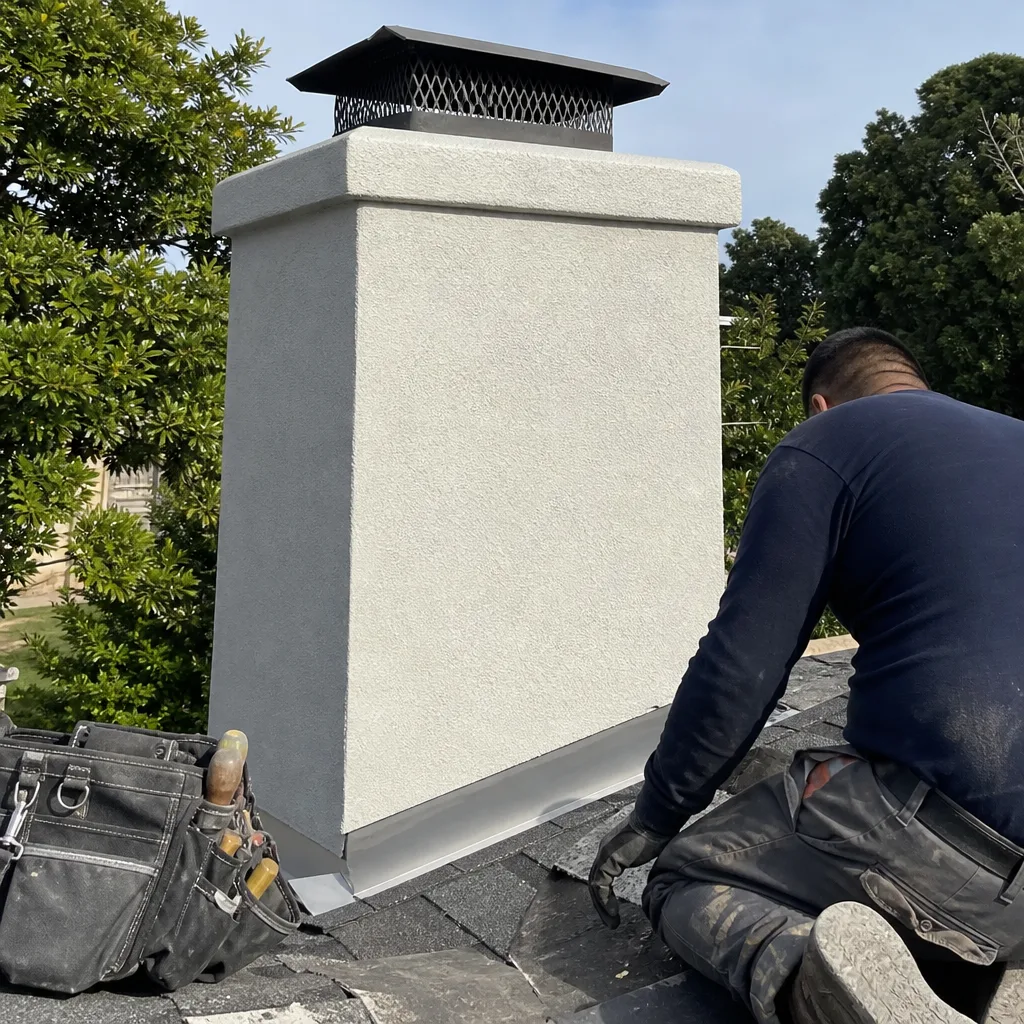 After